


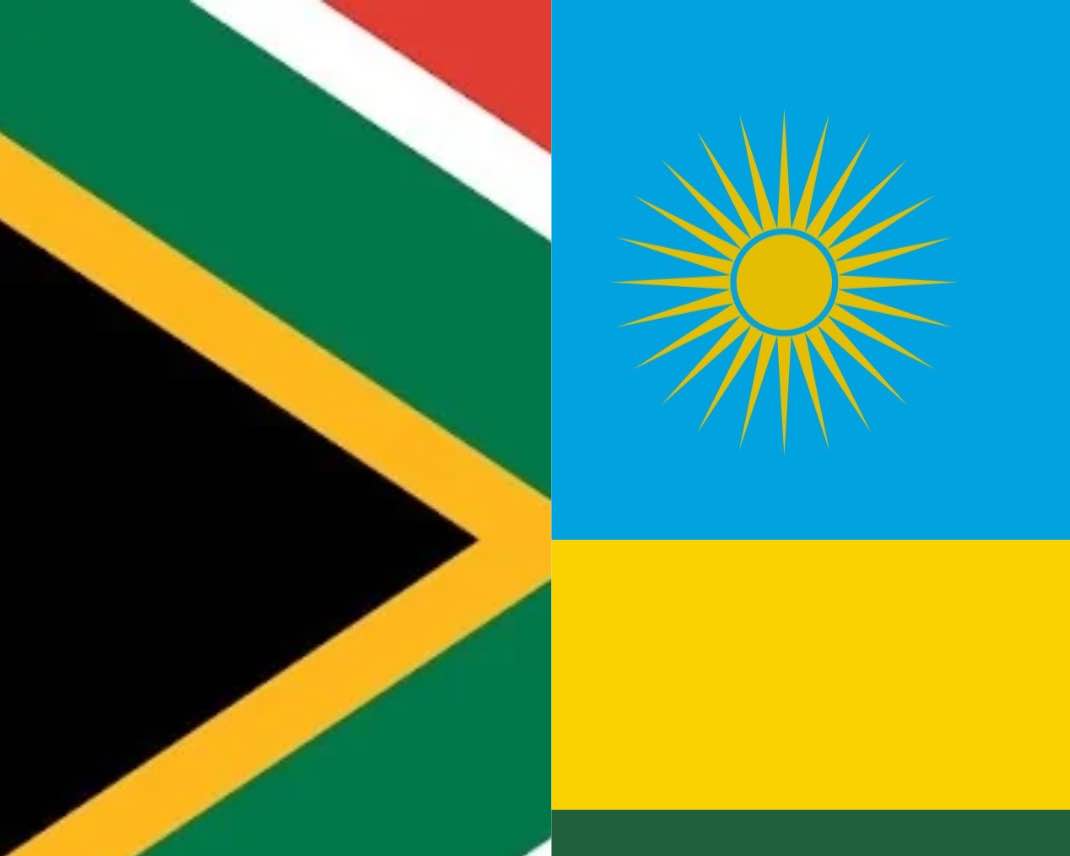
US President Donald Trump has notified Congress that he intends to remove South Africa and Rwanda from the African Growth and Opportunity Act (Agoa) from 1 January 2027. US Trade Representative Jamieson Greer confirmed the decision in a statement on Monday 2 November.
What Agoa is and what changes
Congress passed Agoa in 2000. It lets eligible African countries sell more than 1,800 products to the US without paying import duty.
Removal does not close the US market. South African and Rwandan exports will pay the duties that apply to countries without a preferential arrangement.

Why Washington says it acted
Greer said an annual eligibility review found that both governments engage in practices inconsistent with Agoa’s criteria. For Rwanda, the US cited barriers to trade and investment, the rule of law, political pluralism, workers’ rights, human rights and threats to US national security.
For South Africa, it cited barriers to US trade and investment, corruption, and threats to US national security and foreign policy interests. Greer said the administration is working with African partners so they can meet the criteria.
US Ambassador to South Africa Leo Brent Bozell III wrote on X that the outcome was “predictable and preventable” and followed Pretoria’s rejection of US concerns.
Rwanda: sanctions five days earlier
The decision followed US Treasury sanctions on Rwanda’s Ministry of Defence and the Zigama Credit and Savings Society on 28 October. Treasury said the ministry directed thousands of troops in North and South Kivu provinces to fight alongside M23 rebels in eastern DR Congo, and supplied weapons, equipment, logistics and training. Rwanda has denied backing M23. Washington sanctioned the Rwanda Defence Force and four senior officers on 2 March.
Rwanda’s direct exposure is small. US goods imports from the country totalled US$43.3 million in 2025, according to USTR figures reported by bne IntelliNews.
Separately, Rwanda restored diplomatic relations with Belgium on 22 September after an 18 month break.
South Africa: exports, jobs and a strained relationship
South Africa is the largest Agoa beneficiary. It sold about US$1.7 billion of goods to the US under the programme in 2025, including vehicles, auto parts, citrus and wine. South Africa’s trade department says that equals about 10 percent of its exports to the US and 1 percent of its exports worldwide.
Agriculture and manufacturing face the largest losses. Estimates cited by Moneyweb put job losses at about 3,000 in those sectors and close to 10,000 overall. The Citrus Growers’ Association of South Africa called the loss of preferences a “serious blow”.
Trade Minister Parks Tau called the decision “unfortunate” and said Washington raised issues that had not featured in trade talks that began in 2025. He said Pretoria will speed up the diversification of its export markets to protect jobs, naming the African Continental Free Trade Area, the European Union, Asia, Canada, India and the Middle East. “Our door to the US is open and our economy is resilient,” he said last week.
Relations have frayed since Trump returned to office in 2025. His administration froze US assistance to South Africa. At a White House meeting with President Cyril Ramaphosa in May 2025, Trump accused the country of allowing a genocide of white farmers, a charge Pretoria rejects. Washington also opened a US refugee pathway for Afrikaners. Trump boycotted the G20 summit in Johannesburg in November 2025 and said South Africa would not be invited to the 2026 meeting.
South Africa has 60 days to submit its case against removal. That period ends on 1 January, the date removal takes effect.
What it means for Kenya and East Africa
Agoa’s current authorisation runs to 31 December 2026. Trump signed a one year extension on 3 February, backdated to 30 September 2025, after the House had voted for three years. Kenya remains eligible until that date. USTR’s 2027 eligibility review applies only if Congress reauthorises the programme.
Exporters are also looking at other buyers. The Kenya Association of Manufacturers has launched a Kenya EU Export Catalogue, a directory that lists Kenyan products for European buyers.
Congress has not yet decided whether Agoa continues past 31 December. If it does, South Africa and Rwanda will be outside the programme from the first day. If it does not, no country will have Agoa access in 2027.
US Grants AGOA a Two Year Extension, Securing African Trade Access Through 2028
