


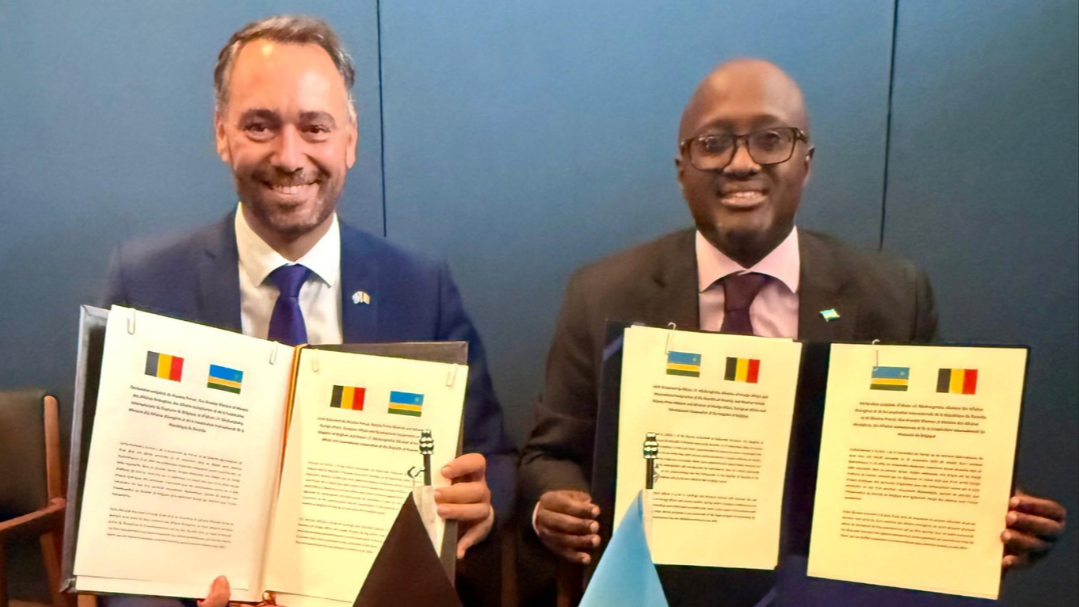
Belgium and Rwanda restored diplomatic relations on 22 September 2026, ending a break that began when Kigali expelled Belgian diplomats over the war in eastern Democratic Republic of Congo (DRC). Both governments will reopen their embassies soon.
Embassies reopen under interim heads
The foreign ministries announced the decision in a joint statement issued on the margins of the 81st session of the UN General Assembly in New York. A chargé d’affaires will lead each mission first, and an ambassador will follow.
Belgian Foreign Minister Maxime Prevot said the venue carried weight. “In a world marked by growing tensions, this is an important signal here in New York, the UN’s host city, which embodies multilateralism and dialogue beyond our differences,” he wrote on X.
How the rupture began
Rwanda cut ties on 17 March 2025 and ordered Belgian diplomats to leave within 48 hours. Kigali accused Brussels of undermining Rwanda before and during the DRC conflict, citing Belgium’s historical role in the region. The announcement came as the European Union unveiled sanctions against senior Rwandan military commanders.
Belgium had criticised Rwanda over its alleged support for the M23 armed group. The UN and other international players accuse Rwanda of backing M23, which took Goma and Bukavu, the capitals of North Kivu and South Kivu, in early 2025. Rwanda rejects the accusation.
Qatar opened the door and welcomes the outcome
Qatar hosted the first meeting between the two foreign ministers in Doha in June 2025. Prevot and his Rwandan counterpart, Olivier Nduhungirehe, then met and spoke informally over the following months. The ministries say those talks cleared up differences and misunderstandings in a constructive spirit. Both sides also agreed on renewed principles of noninterference, mutual respect and constructive engagement.
Prevot called the outcome the product of steady effort. “This is the culmination of a process of frank discussions with my counterpart and the result of a shared, respectful effort,” he said. He added that he is convinced the two countries can set a positive agenda that benefits their citizens.
Nduhungirehe struck a similar note. “We are also pleased by the resumption of our diplomatic relations, which should open a new era of constructive dialogue in a spirit of mutual respect,” he said.
Qatar’s Ministry of Foreign Affairs welcomed the decision on 23 September in a statement issued from Doha. The ministry said the resumption of relations reflects the commitment of both countries to settle differences through dialogue and mutual understanding. It said the June 2025 meeting opened the way to direct talks and to the contacts that produced the agreement, and it thanked Belgium and Rwanda for recognising Qatar’s role.
The ministry commended the spirit both sides showed in addressing differences and clearing up misunderstandings. It expressed hope that restored ties will open new areas of cooperation and support peace and stability regionally and internationally.
Doha restated its position that direct dialogue and diplomacy offer the route for resolving disputes between states, and it pledged continued support for efforts to bring positions closer through peaceful means.
African Union backs the reset
The Chairperson of the African Union Commission, Mahmoud Ali Youssouf, welcomed the decision and commended both governments for the step. He also acknowledged the role Qatar played in facilitating dialogue between them.
“The resumption of diplomatic ties underscores the importance of sustained dialogue, constructive engagement and open diplomatic channels in addressing differences and advancing shared interests,” Youssouf said. He added that the development shows the value of diplomacy in overcoming differences and strengthening cooperation. His statement urged states to keep resolving disputes through diplomatic engagement.
Dialogue, not a change of position
Prevot framed the deal as a channel for talks, not a shift in Belgium’s stance. “Restoring diplomatic relations between states does not mean abandoning our position, but having structured channels for dialogue, and I will continue to defend the territorial integrity and sovereignty of the DRC,” he said.
He also offered Belgian help on mediation. “We want to put our expertise in the region to work in support of mediation efforts as best we can, and we will continue to urge strict respect for the commitments made by all parties within the Doha and Washington processes,” he said.
Where the two governments still differ
Nduhungirehe set out Kigali’s conditions for peace in the region. “On the conflict in eastern DRC, we believe that the respect of the territorial integrity of all countries of the region, the neutralization of the FDLR genocidal force and the resolution of the conflict between the Government of DRC and the AFC/M23 by addressing its root causes remain key points to ensure sustainable peace in the region,” he said.
Thank you Minister. We are also pleased by the resumption of our diplomatic relations, which should open a new era of constructive dialogue in a spirit of mutual respect.
On the conflict in eastern DRC, we believe that the respect of the territorial integrity of all countries… https://t.co/VLxVS7q2ZX
— Olivier J.P. Nduhungirehe (@onduhungirehe) September 22, 2026
The FDLR sits at the centre of Kigali’s case. Rwanda says its aim is to tackle the group, which former Hutu leaders of the 1994 genocide created. The DRC accuses Rwanda of wanting to profit from the region’s gold, coltan, copper and cobalt.
What changes on the ground
The restored ties give Brussels and Kigali a direct line, but they settle none of the fighting. The UN and monitors still report a heavy humanitarian toll in North and South Kivu, and the disputes over territory and minerals remain unresolved. Both governments acknowledge that disagreements persist. Their test now is whether the new channel produces movement in the Doha and Washington processes.
