


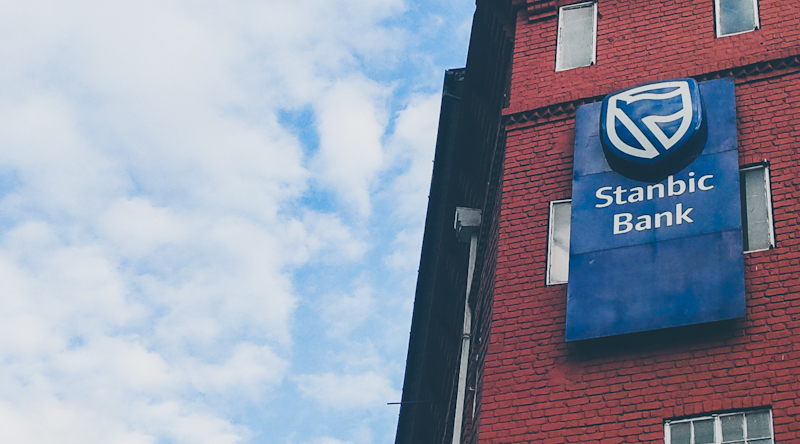
Stanbic Bank Kenya delivered a solid first quarter in 2026, growing profit after tax by 5.5% to KES 3.52 billion, up from KES 3.33 billion in the same period last year.
The results, released on 6 May 2026, reflect disciplined cost management and a rapidly expanding balance sheet.
Lending Business Drives Revenue
Net interest income climbed 11.7% to KES 7.57 billion, powered by a 4.7% rise in total interest income and a 6.4% reduction in interest expenses. That combination widened the bank’s lending margins considerably and anchored overall revenue growth.
Loans and advances grew 5.8% to KES 258.2 billion, driven by foreign currency lending demand from clients in the trade, energy, building and construction sectors, even as the Central Bank of Kenya continued to ease its policy stance to stimulate lending and reduce pressure on businesses and households.
Chief Executive Abraham Ongenge said the growth reflected renewed confidence in the economy: “We sustained balance sheet growth from mid‑2025, reflecting renewed momentum in the Kenyan economy, underpinned by improving market conditions and a rebound in private sector credit.”
He added: “The double digit Q1 growth was driven by higher customer deposits reflecting the trust our customers continue to place in our brand, which we efficiently deployed into lending, interbank placements and financial investments.”
Non-interest income, however, fell 13.8% year-on-year to KES 2.38 billion, down from KES 2.76 billion. The decline tempered total operating income, which still rose 4.3% to KES 9.95 billion. The pressure on trading income was partially offset by higher fees and commissions from Investment Banking.
Cost Cuts and Provisions Lift Pre-Tax Profit
Profit before tax surged 20.5% to KES 4.92 billion, a result that tells a sharper story than the headline PAT figure. Two factors explain the gap between the two profit lines. Operating expenses fell 7.8% to KES 5.03 billion, while loan loss provisions dropped 59.1% to KES 350.2 million from KES 855.5 million in Q1 2025. Together, these savings added considerable weight to the bottom line before the tax charge.
The banking sector experienced margin pressure during the period following successive policy rate cuts. The CBR declined from 10.75% in March 2025 to 8.75% in March 2026, while 91-day Treasury bill rates fell from 8.79% in December to 7.40% by March 2026, resulting in lower asset yields.
Chief Financial and Value Officer Dennis Musau said the bank responded proactively to the environment: “Despite margin pressures in the first quarter of 2026 stemming from the lower interest rate environment, we responded decisively through disciplined cost and risk management, targeted lending growth, and continued expansion of our digital banking platforms, sustaining balance sheet momentum as private sector credit recovered.”
Earnings per share improved to KES 20.61 from KES 19.54, matching the 5.5% growth in net earnings.
Balance Sheet Crosses the Half-Trillion Mark
Total assets reached KES 551.7 billion, a 22.6% jump from KES 450.1 billion in March 2025. That milestone reflects both organic growth and strong deposit mobilisation. Customer deposits rose 21.7% to KES 411.0 billion, while total equity expanded to KES 73.41 billion from KES 68.65 billion.
Financial investments grew significantly by 70% year-on-year, driven by the strategic redeployment of excess liquidity into government securities awaiting redeployment to lending.
Gross non-performing loans edged up 1.6% to KES 23.31 billion, a modest rise given the scale of the loan book. The bank’s credit loss ratio declined to 0.44% from 0.57%, reflecting improved credit quality across the portfolio.
Musau pointed to improving fundamentals as a foundation for continued momentum: “We remain firmly focused on sustainable balance sheet growth, with a clear priority on deepening sticky transactional accounts while maintaining balance sheet efficiency. Improved macroeconomic fundamentals are translating into tangible growth opportunities, reflected in our credit loss ratio declining to 0.44% from 0.57%, and we remain committed to be the partner of choice for enterprises across the spectrum, providing the capital needed to fuel growth.”
Anchored by a core capital ratio of 14.59%, well above the 12.50% regulatory minimum, the bank continues to accelerate the digitisation of its financial services, introducing customer-centric solutions ranging from flexible savings products to diversified investment options.
Q1 2026 Financial Summary
| Metric | Q1 2026 | Q1 2025 | YoY Change |
|---|---|---|---|
| Total Interest Income | KES 11.53 Bn | KES 11.01 Bn | +4.7% |
| Interest Expense | KES 3.96 Bn | KES 4.23 Bn | -6.4% |
| Net Interest Income | KES 7.57 Bn | KES 6.78 Bn | +11.7% |
| Non-Interest Income | KES 2.38 Bn | KES 2.76 Bn | -13.8% |
| Operating Income | KES 9.95 Bn | KES 9.54 Bn | +4.3% |
| Total Operating Expenses | KES 5.03 Bn | KES 5.45 Bn | -7.8% |
| Loan Loss Provision | KES 0.35 Bn | KES 0.86 Bn | -59.1% |
| Profit Before Tax | KES 4.92 Bn | KES 4.08 Bn | +20.5% |
| Profit After Tax | KES 3.52 Bn | KES 3.33 Bn | +5.5% |
| Total Assets | KES 551.7 Bn | KES 450.1 Bn | +22.6% |
| Total Equity | KES 73.41 Bn | KES 68.65 Bn | +6.9% |
| Customer Deposits | KES 411.0 Bn | KES 337.6 Bn | +21.7% |
| Loans and Advances (Net) | KES 258.2 Bn | KES 244.0 Bn | +5.8% |
| Gross NPLs | KES 23.31 Bn | KES 22.94 Bn | +1.6% |
| Earnings Per Share | KES 20.61 | KES 19.54 | +5.5% |
Stock Performance Reflects Investor Confidence
Stanbic’s share price closed at KES 257.00 on 31 March 2026, a 58.9% gain year-on-year from KES 161.75 on the same date in 2025. That appreciation far outpaced the bank’s earnings growth, suggesting the market is pricing in continued balance sheet expansion and improved credit quality.
The bank has also received several industry accolades in 2026, including Best Bank in Mortgage Finance, Best Bank in Mobile Banking, and Best Bank in Tier 1 at the Think Business Awards, as well as recognition at the 2025 Dealmakers Africa Annual Awards.
The Q1 2026 numbers reinforce the growth case. Falling provisions, lower costs, and a deposit base that grew by over KES 73 billion in twelve months give the bank both the capacity and the cushion to sustain momentum through the rest of the year.
