



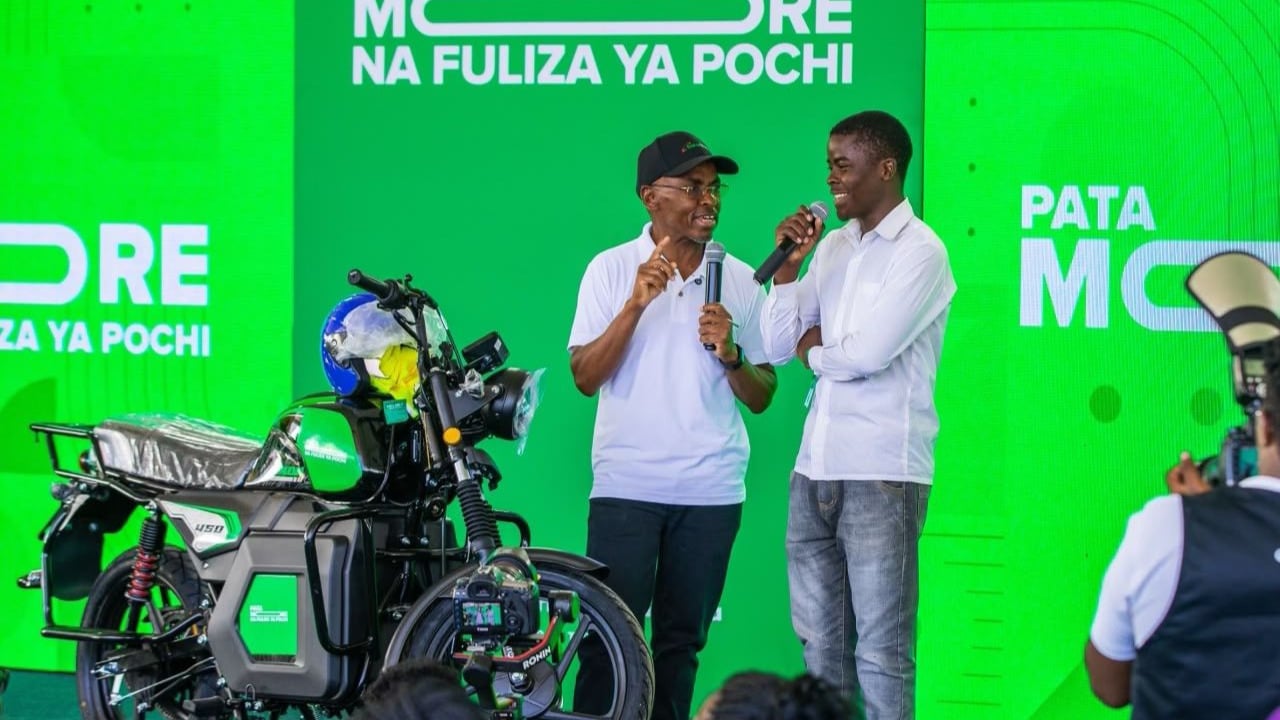
Fraudsters now use generative AI to make videos of Safaricom executives saying things the executives never said. The clips promise free airtime, a doubled Fuliza limit or returns on an investment. They send viewers to cloned web pages that ask for an M-PESA PIN, an ID number or a “processing fee”.
You can beat the scam without any technical skill. You need three habits: Stop, Think, Verify. Safaricom’s #JiulizeKamaNiUkweli campaign teaches them under one question: ask yourself if it is true before you act.
What the scam looks like on your phone
The fake offers arrive on Facebook, TikTok, YouTube, WhatsApp groups and text messages. They fall into three types.
- Fake giveaways. A video of a Safaricom executive announces free data, airtime or cash for the first people who click.
- Fuliza limit boosts. The ad says you can double your Fuliza limit if you pay a fee or share your PIN.
- Investment schemes. A clip of a “Safaricom official” promises daily returns on money you send to a till or phone number.
Safaricom has listed fake Fuliza limit messages among the top scams targeting M-PESA users. The product is a target because it is so widely used. Safaricom’s 2026 Sustainable Business Report says Fuliza’s borrowing base grew from 7 million to 18.1 million customers during FY26.
Why a Fuliza limit offer is always false
Nobody can sell you a bigger Fuliza limit. Safaricom sets limits through automated scoring built with its lending partners, KCB and NCBA. No staff member, agent or online ad can change the number by hand. Africa Check tested the claim that a payment upgrades a limit and rated it false. The highest limit Africa Check found is KSh70,000, so any promise above that number fails on its face.
You can refresh your own limit for free. Dial *334#, choose Fuliza, then select Refresh My Limit. You can do this once every 30 days.
Step 1: Stop
Scammers need you to move fast, because a calm customer checks. Treat urgency as the first warning sign. Phrases such as “offer ends in ten minutes”, “only 100 slots left” or “your account closes today” appear in almost every fake ad.
Unfamiliar voice calls follow the same pattern. Safaricom states that it calls customers only from 0722 000 000 and that its staff never ask for an M-PESA PIN. Read the Safaricom guide to staff impersonation for the scripts callers use.
The rule is simple. Do not tap, pay, call back or share a code while the clock is running.
Step 2: Think, using the Mouth, Voice, Promise check
AI video leaves traces. Run three quick checks before you believe a clip. Remember them as Mouth, Voice, Promise.
- Mouth. Watch the lips. Words that arrive a beat before or after the lip movement point to a fake. Teeth that blur, a chin that flickers and eyes that blink too little or too often point the same way. The edges of the face often shimmer when the head turns.
- Voice. Listen for a flat, even pitch, no breaths between sentences, odd pauses and a tone that does not change with the words. A cloned voice sounds like a person reading a script to a machine.
- Promise. Ask what the offer pays and what it costs you. Free money, doubled limits and fixed daily returns do not come from a telecom company through a video ad. Any offer that asks you to pay first is a scam.
If one check fails, treat the clip as fake. Kaspersky explains more signs of a deepfake, including how to slow a video down to see the glitches.
Step 3: Act and verify through official channels only
Do not trust a link in the ad, a number in the comments or a profile that claims to be Safaricom. Check the claim yourself.
- Open the MySafaricom app or the M-PESA app and look for the offer there.
- Visit safaricom.co.ke by typing the address into your browser.
- Call customer care and ask whether the offer exists.
- Forward a suspicious text to 333. Forward a fake M-PESA reversal message to 456.
- Report conmen through the MySafaricom app, the M-PESA app or the fraud reporting option on *334#.
Real Safaricom offers appear in these channels. Scam offers do not.
What to do if you already paid or shared a PIN
Act within minutes. Call customer care and report the transaction. Change your M-PESA PIN. Forward the scam message to 333. Dial *106# to see every number registered to your ID, and report any you do not recognise. Safaricom also offers a SIM swap lock on *100*100#, which blocks fraudsters from moving your number to another SIM.
The risk of SIM swap fraud is rising. Interpol data shows SIM swap fraud rose 327 percent in 2025, with about KSh491.6 million lost in Kenya.
Quick reference
| Step | What you notice | What you do |
|---|---|---|
| Stop | A countdown, a deadline or an unknown caller pushing you to act | Pause. Do not tap, pay or share a code |
| Think | Lips out of step with words, flat voice, offer too good to be true | Treat the clip as fake |
| Verify | A link, number or profile you cannot confirm | Use the MySafaricom app, the M-PESA app or customer care. Forward to 333 |
Keep your details safe before the next scam arrives
Khusoko has covered this threat before. Read the Safaricom #JichanueAndTakeControl guide to phone fraud and the dos and don’ts for securing personal data. Article 2 in this series explains what Safaricom has built to fight AI fraud.
The habit fits in three Swahili words: Simama, Fikiri, Hakiki. Stop, think, verify. Say them before you act on any offer, and send the clip to a friend who might be next.
