


By Egline Samoei
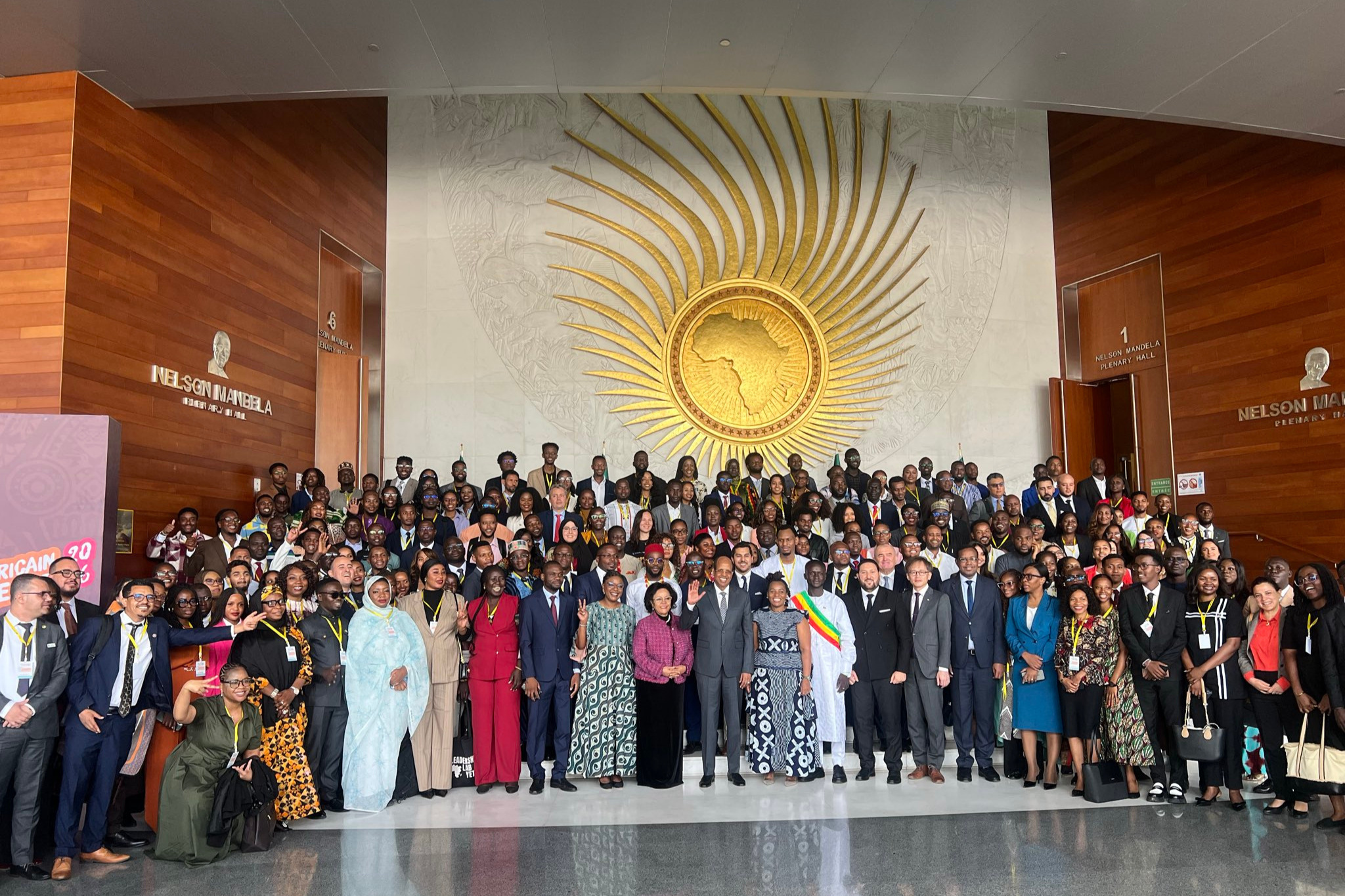
The 9th Pan-African Youth Forum (PAYF 2026) opened on Monday, 16 November, at the African Union Headquarters in Addis Ababa, Ethiopia, bringing together African leaders, policymakers, development partners and young people to reflect on 20 years of the African Youth Charter and discuss its future.
Held under the theme “AYC@20: Reflecting, Reimagining, and Repositioning the African Youth Charter for the Next Generation of African Youth,” the four-day forum is examining progress in implementing the Charter, identifying policy gaps and exploring how Africa can respond to emerging challenges affecting young people.
Discussions on the opening day focused on youth employment, education, digital transformation, artificial intelligence, entrepreneurship, health, participation in governance and accountability.
Understanding the African Youth Charter
The African Youth Charter was adopted by the African Union on 2 July 2006 in Banjul, The Gambia, and entered into force on 8 August 2009. It is a legally binding continental framework that promotes and protects the rights, responsibilities and development of young Africans aged 15 to 35.
The Charter addresses education, employment, skills development, healthcare, youth participation in decision-making, gender equality, peace and security, among other areas.
Twenty years later, the African Union is reviewing how effectively these commitments have translated into national policies, programmes and improved opportunities for young people.
According to findings presented during the forum, 44 of the African Union’s 55 member states have ratified the Charter. However, implementation remains uneven, raising questions about financing, institutional capacity and accountability.
African leaders call for action and investment
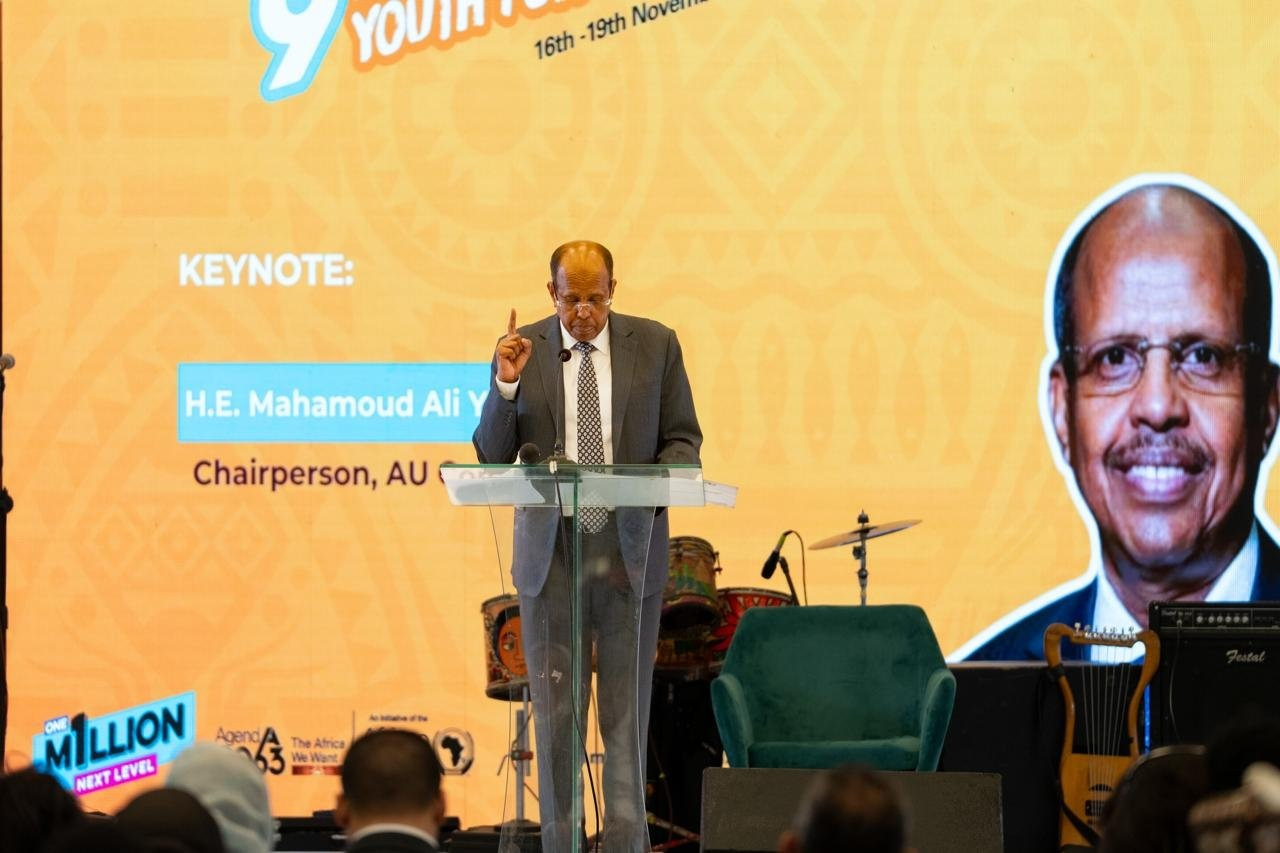
In his opening address, African Union Commission Chairperson H.E. Mahmoud Ali Youssouf emphasised the need to translate the Charter’s commitments into tangible results.
He acknowledged progress in education, digital connectivity and entrepreneurship but highlighted persistent challenges, including youth unemployment, inadequate skills development, limited access to finance and barriers to meaningful participation in decision-making.
The Chairperson identified priorities including accelerating implementation of the Charter, preparing young Africans for future employment, improving access to finance and strengthening youth participation in governance.
He also called for greater investment in digital infrastructure and artificial intelligence while addressing digital exclusion and online harm.
H.E. Nardos Bekele-Thomas, CEO of the African Union Development Agency-NEPAD, highlighted the importance of investment, innovation and entrepreneurship in expanding opportunities for young Africans.
Her address outlined AUDA-NEPAD’s Energize Africa Initiative, which supports youth-led enterprises, skills development, innovation and access to economic opportunities.
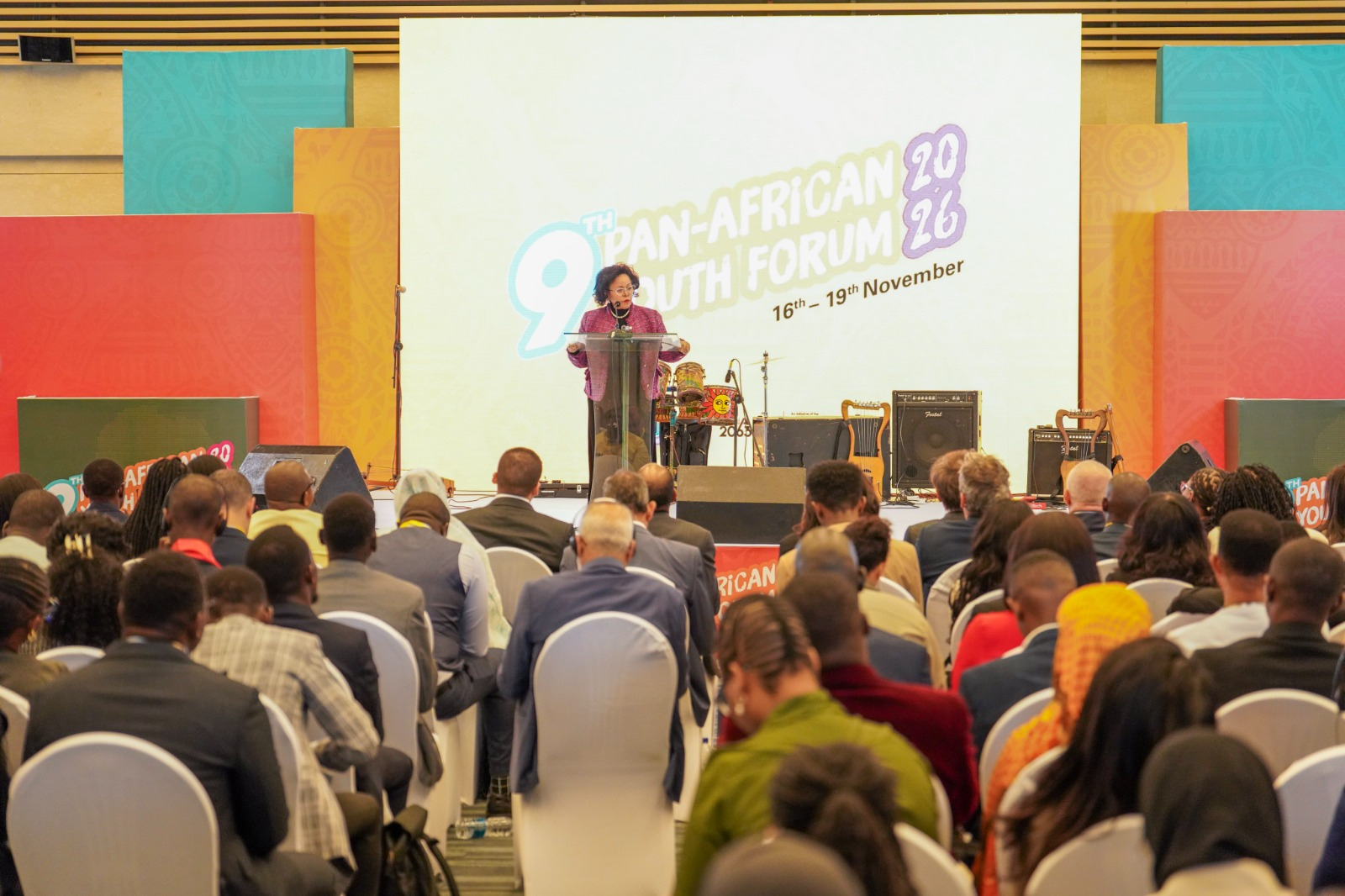
Other speakers emphasised the importance of strengthening health services, expanding international cooperation and involving young people directly in policy development.
Seychelles’ Minister for Youth and Sports, H.E. Kalsey Belle, discussed the opportunities and risks associated with AI and social media, including unequal internet access, cyberbullying, online exploitation and mental health concerns.
Reviewing 20 years of implementation
A major part of the opening-day discussions involved examining evidence of progress and gaps in implementing the Charter.
Mr Rotimi Olawale presented an issues paper on future-proofing the African Youth Charter, examining education, employment, empowerment, participation, governance, peace and security.
The assessment also identified emerging issues requiring greater continental attention, including artificial intelligence, digital rights, climate change, mental health, changing labour markets, migration and displacement.
A separate implementation review highlighted progress in national youth policies and continental programmes, alongside shortcomings in funding, monitoring, programme effectiveness and the availability of reliable data.
Youth-led appraisal discussions further emphasised the importance of making the Charter accessible to young people and ensuring that governments report clearly on youth development commitments, spending and outcomes.
Recommendations included stronger accountability mechanisms, annual reporting, greater financing for youth programmes and meaningful youth participation in monitoring implementation.
Repositioning the Charter for the next generation
One of the central questions emerging from the discussions was how a Charter adopted in 2006 can respond effectively to the realities of young Africans in 2026 and beyond.
Although the original Charter recognized the importance of information and communication technologies, developments in artificial intelligence, digital economies, online safety and the future of work have introduced new policy considerations.
The forum is therefore examining possible amendments, an addendum or additional legal instruments to address emerging challenges while strengthening implementation of existing commitments.
Expected outcomes of the forum include an Addis Ababa Declaration, recommendations on the Charter’s future and a framework for monitoring commitments through 2036.
As the forum continues, attention will turn to how member states, African Union institutions, development partners and young people can translate these discussions into measurable progress.
The 20th anniversary offers an opportunity not only to examine what the African Youth Charter has achieved but also to strengthen its relevance and implementation for the next generation of young Africans.
Egline Samoei is a CIM-certified digital marketer, corporate trainer, corporate communicator and technology writer. A KeSIG 2020 Fellow, she advances digital literacy and helps organisations, entrepreneurs and communities use digital platforms strategically.
