



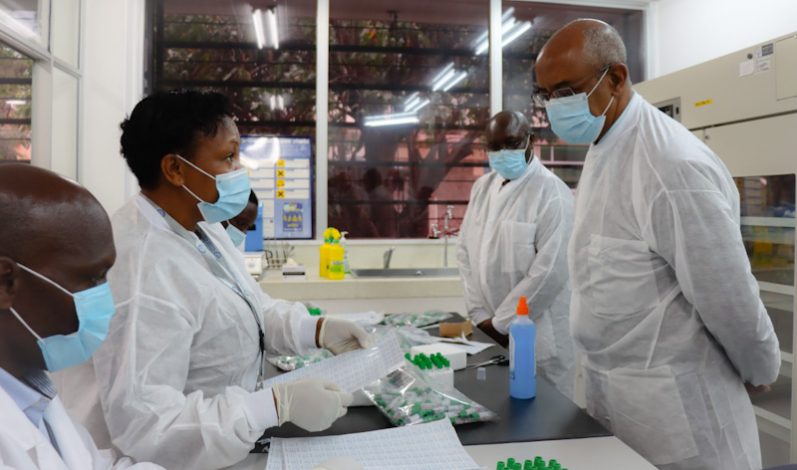
Africa imports the medicines it needs. That dependence carries a cost — in money, in supply chain exposure, and in lives lost when global disruptions cut off access to essential drugs. Kenya is moving to change that.
APIFA Biotech Ltd has proposed a pharmaceutical manufacturing park within Konza Technopolis, the government’s technology city located 60 kilometres southeast of Nairobi. The project operates through a Public-Private Partnership with Konza Technopolis Development Authority (KoTDA). It will produce Active Pharmaceutical Ingredients (APIs), biologics, vaccines, and finished medicines on Kenyan soil.
In April 2026, the project cleared its first regulatory milestone, receiving approval to proceed to a Project Development and Feasibility Study.
What the Park Will Build
The park covers 200 acres and develops in two phases.
Phase 1 builds the foundation. It puts up shared manufacturing facilities under a Contract Manufacturing Organisation (CMO) model, a centralised logistics hub, quality assurance laboratories, and regulatory support services. The investment for this phase exceeds USD 57 million, directed primarily at infrastructure.
Phase 2 brings manufacturers onto the site. Companies will install production units covering antibiotics, vaccines, diagnostics, medical devices, and active pharmaceutical ingredients. Research and development units, toll manufacturing, and packaging facilities will also operate within the park. This phase targets investment of over USD 300 million once the park reaches 80 percent occupancy.
The Structure Behind the Deal
APIFA Biotech finances, constructs, and operates the facility for 30 years under a Design, Build, Finance, Operate, Maintain and Transfer (DBFOMT) model. At the end of that period, the infrastructure transfers to the public sector.
KoTDA carries no direct financial risk. APIFA Biotech mobilises funding through equity, debt, and grants.
The project entered the PPP pipeline as a Privately Initiated Proposal. Kenya’s PPP Committee approved it in April 2026 to advance to feasibility.
What the Project Changes
Africa bears one of the world’s heaviest disease burdens while remaining dependent on imported medicines. When supply chains break — as they did during COVID-19 — African countries face shortages with no local alternatives.
This park produces APIs and finished medicines locally, reducing Kenya’s exposure to those disruptions. It creates 17,000 jobs, accommodates 30,000 residents, and opens 640 training slots annually, including postdoctoral fellowships and PhD programmes.
Environmental Requirements
The project builds in Environmental and Social Impact Assessments as a requirement, not an afterthought. The site incorporates solar plants, water recycling systems, and effluent treatment facilities in line with Kenya’s climate commitments and KoTDA’s building code.
KoTDA received the Project Implementation Proposal on 12 October 2020. Public disclosure followed on 24 April 2025. APIFA Biotech Ltd, a subsidiary of API for Africa, holds registration as the Kenyan project proponent.
Crown Healthcare Secures $10M to Build Kenyan Pharmaceutical Plant
