



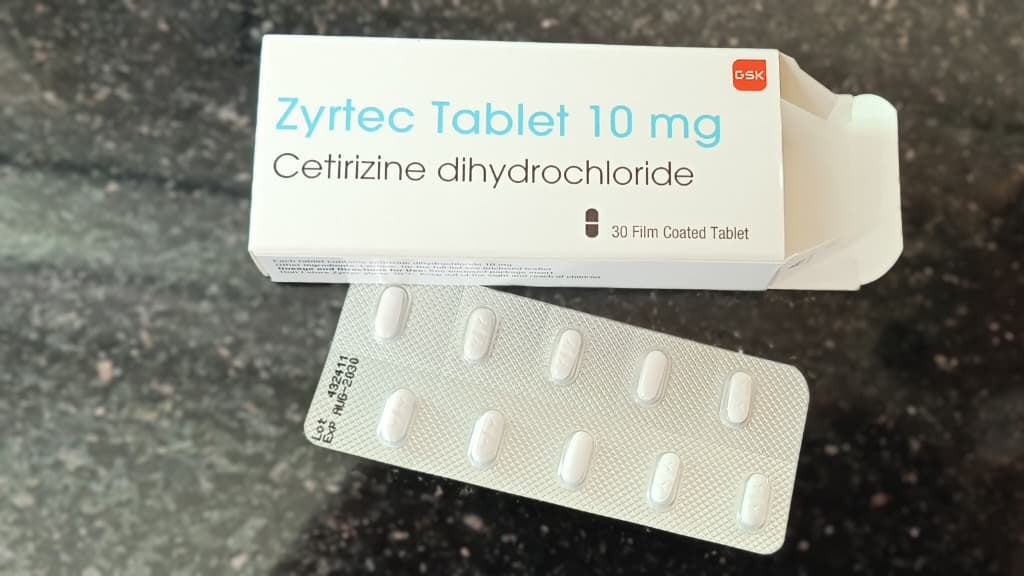
Kenya’s Pharmacy and Poisons Board (PPB) and the Pharmaceutical Society of Kenya (PSK) have told women not to insert cetirizine tablets into the vagina.
Both bodies responded to social media posts, mainly on TikTok, which claim the allergy medicine tightens the vagina and heightens sexual pleasure.
The PPB said cetirizine has no approval for vaginal use and no established scientific evidence supports the practice. The PSK said dryness does not equal tightness. Cetirizine is an oral antihistamine, and both bodies say tablets made to be swallowed should be swallowed.
What cetirizine treats
Cetirizine relieves allergy symptoms, including allergic rhinitis and urticaria. The PSK lists the symptoms as sneezing, a runny nose, itchy eyes and skin reactions such as hives. The PPB says the medicine is for oral use and should be taken as a healthcare professional directs.
What the PPB says about misuse
The PPB issued its public safety alert on 4 November 2026, signed by Chief Executive Officer Dr Ahmed I. Mohamed. It cites the Pharmacy and Poisons Act, Cap 244, which gives the board a mandate to regulate pharmacy and ensure access to quality, safe and effective health products.
The board says inserting cetirizine tablets into the vagina may cause irritation, burning, soreness, pain or discomfort. It adds that using health products not meant for vaginal use may disrupt the vagina’s protective environment and raise the risk of infection. The PPB has issued a similar warning before: in 2023 it said Yoni Pearls are not registered or authorised for use in Kenya.
Why dryness does not mean tightness
The PSK issued its statement on 5 November. It says antihistamines may cause dryness as a side effect, but less lubrication does not strengthen vaginal muscles or change vaginal anatomy. Instead, it may increase friction, discomfort and the risk of tissue injury, the society said.
The PSK also says the ingredients in cetirizine tablets have not been tested on vaginal tissue. A common medicine is not a harmless one, it added, and it should be taken only as the label, a pharmacist or a doctor directs.
Overdose risks the PPB lists
The PPB also warns against taking more than the recommended dose. Excess cetirizine can cause sleepiness, dizziness, tiredness, restlessness, confusion, shaking, a rapid heartbeat and difficulty passing urine, among other effects, the board said.
Demand, prices and shortages
The PSK says it knows of reports of higher demand, price rises and stock shortages for cetirizine at some outlets. It urged pharmacies to keep to ethical pricing so that patients who need the medicine for allergies are not left without it. It told the public to buy medicines only from premises the PPB licenses, where a registered pharmacist is present.
Ministry reaction and a tracking proposal
Ministry of Health officials voiced concern a day before the PSK statement. Principal Secretary for Medical Services Dr Ouma Oluga said some social media users appeared to treat the risks as a joke.
He suggested authorities could introduce a system to track the distribution and purchase of medicines to help identify misuse. The authorities have announced no formal decision on such a system.
“From a medicine control perspective, it is very important that we trace who manufactured this cetirizine and who sold it, to which patient?” – PS Medical Services Dr Ouma Oluga @fnoluga https://t.co/4wZt8EUwex
— Eng John Macharia (@EngJohnMachari1) November 5, 2026
What to do if you already tried it
The PSK advises anyone who has tried it to stop. See a doctor for pain, bleeding, burning, itching, unusual discharge or fever. The society says patients will be treated with respect and without judgement. The PPB tells people with concerns about vaginal dryness or sexual health to speak to a qualified healthcare professional.
The PSK asked its members to counsel patients, avoid knowingly dispensing medicines for misuse and report suspected reactions to the PPB. It also asked media and content creators to share health information only when evidence supports it. Its message to the public: check with a pharmacist before using any medicine for a purpose it was not made for, and do not rely on social media for medical advice.
