


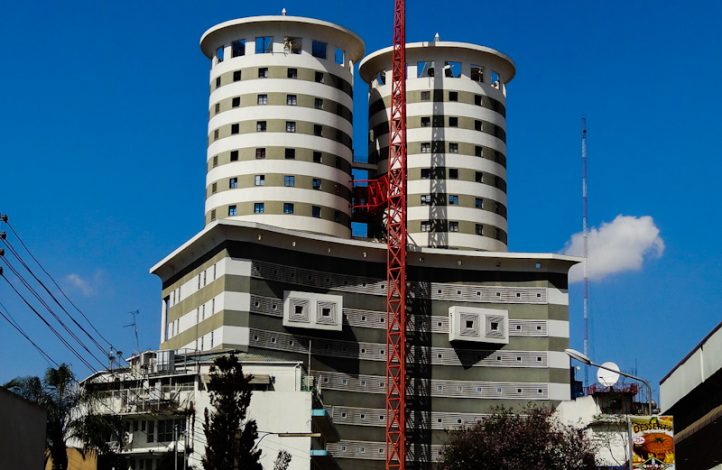
Nation Media Group has answered a week of public pressure with numbers, but not the ones critics asked for.
In a statement dated 18 September 2026, Group Managing Director and Chief Executive Geoffrey Odundo said women make up 36 percent of the company workforce, 33 percent of the newsroom, 42 percent of the Executive Committee and 41 percent of heads of department. The company has set a target of 40 percent representation.
What the statement leaves out matters just as much. NMG did not disclose what share of its senior leadership team women hold, nor what share of senior editorial leadership they occupy. That figure sits at the centre of the row.
What triggered the conversation
The company announced sweeping editorial leadership changes across Kenya, Uganda and Tanzania on Wednesday. The Editor in Chief and two Managing Editors moved regionally. A new team took over in Kenya.
Readers counted the names. Eleven men filled the top roles. Not one woman appeared on the list.
The changes landed soon after Tanzanian businessman Rostam Azizi acquired a controlling stake in the firm from the Aga Khan Fund for Economic Development. Azizi announced the Taarifa Limited purchase on 11 March, praising the Nation’s journalism and pledging fresh investment. Management has said the new majority shareholder played no part in choosing editors.
Odundo acknowledged the noise. He said the conversation had brought the gap within editorial leadership into sharper focus and gave the company reason to reflect on how it strengthens representation at that level.
The Public Editor calls it out
The strongest criticism came from inside the building.
Writing in her Public Editor’s Notebook in the Daily Nation on Friday, Pamella Sittoni described the lineup as a shameless display of gender disparity. Eleven men. No woman. No young person.
Sittoni reported that a young woman from the NMG newsroom had contacted her to express disappointment. She wrote that young women doing the heavy lifting from the bottom of the pyramid feel unseen and unrecognised.
She pushed the argument past fairness and into revenue. Studies show media houses leave millions on the table when they lock women out of decision making roles and let men decide what content runs, she wrote, missing out on money from female consumers.
Her sharpest line concerned the pipeline. Most of the men in the new lineup already held positions of leadership and simply moved a step higher. That, she argued, shows the women sit too far back in the queue, and it calls for urgent redress.
She noted that the diversity question has dogged NMG for years, even though the company established a Gender Desk seven years ago to promote equity in its coverage.
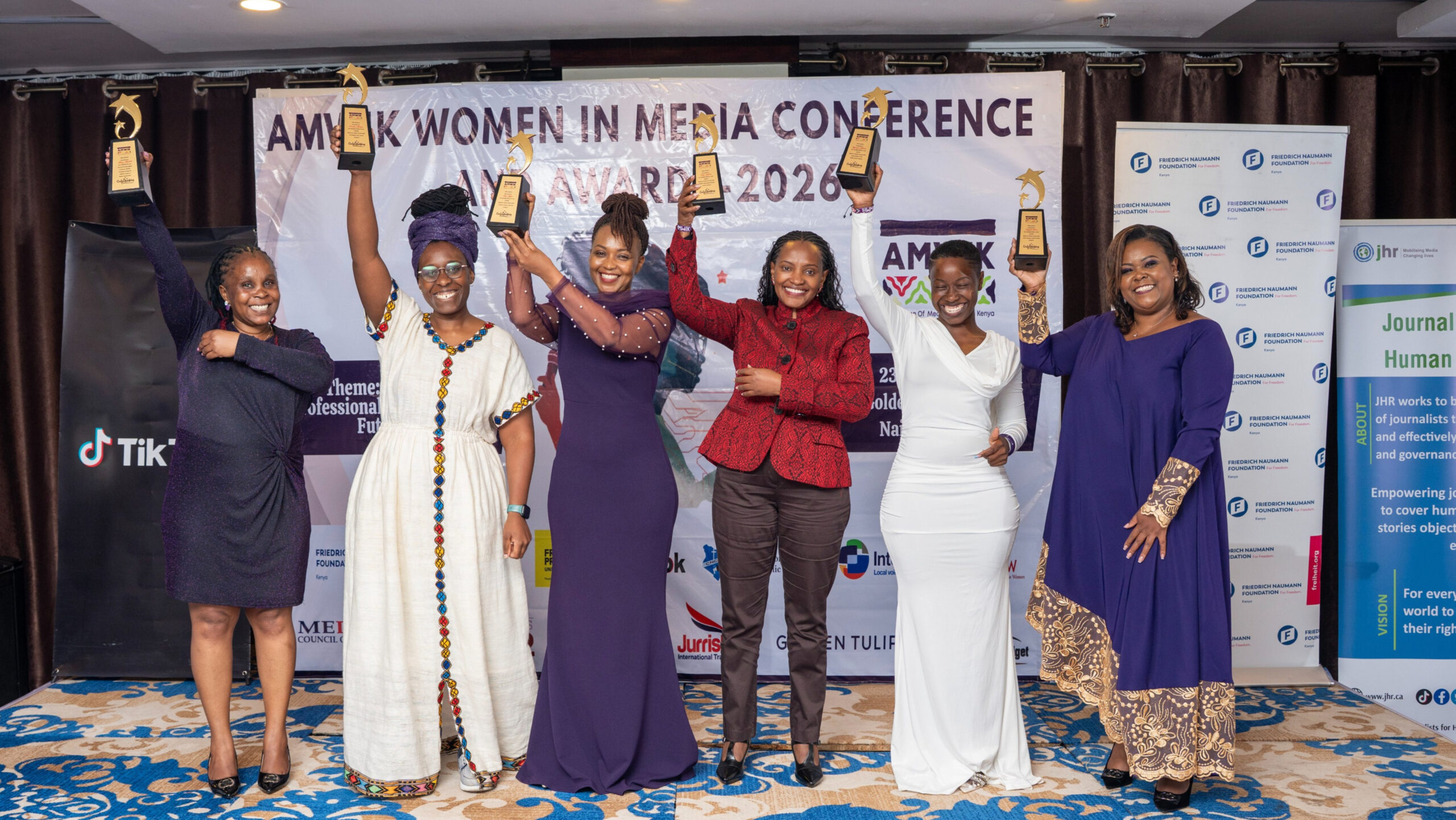
AMWIK draws the industry line
The Association of Media Women in Kenya published its own statement a day earlier, on 17 September.
AMWIK opened with credit. It named Sittoni, Wayua Muli, Catherine Gicheru, Dorothy Kweyu and Lucy Oriang as women who rose through NMG and opened doors across African journalism. It praised the Gender Desk.
According to AMWIK, the decision making table does not match the talent pool the profession already holds.
The association argued that NMG sets the benchmark for the region. Who sits in the chair of Managing Editor, Executive Editor or Head of Content decides which stories run, how issues affecting women and families get framed, and whose voice reaches the national conversation.
AMWIK stopped short of telling the company how to run itself. It said it respects NMG autonomy as a private enterprise while noting that the company’s stature carries a public interest duty. It asked NMG and its peers to build succession pipelines that move qualified women into top roles, and to fix the retention problem that drains experienced women out of newsrooms.
The numbers behind the argument
AMWIK anchored its case in its own research, published in April 2026, which mapped the barriers that stall the careers of women journalists in Kenya.
Women enter Kenyan journalism in strong numbers. They leave in large numbers around age 35. Only 7.4 percent of women in the profession remain past 45.
Nationally, women hold 3.7 percent of Managing Editor roles and 2.8 percent of media ownership positions, even though they form more than 40 percent of the media workforce.
Coverage reflects that imbalance. Data from the Global Media Monitoring Project shows women account for 22 to 23 percent of news sources and subjects in African news media, and appear as quoted experts just 21 percent of the time.
Read against those figures, the NMG disclosure reads differently. The company clears its 40 percent target in two places, the Executive Committee at 42 percent and heads of department at 41 percent. It falls short in the newsroom at 33 percent. At the top editorial tier, the level that decides what the region reads each morning, it offered no figure at all.
What happens next
Odundo said the company welcomes the engagement and remains committed to creating pathways for more women to reach senior editorial roles.
AMWIK offered to help build them, describing itself as a ready partner for NMG and the wider industry.
Sittoni framed the test in terms the audience controls. Journalists, unlike doctors, publish their mistakes for everyone to see. The content under the new leadership will speak for itself, she wrote, and the audiences will be the judges.
Four percentage figures answered the question about the workforce. The question about the eleven names remains open, and the next appointment will answer it better than any statement can.
