



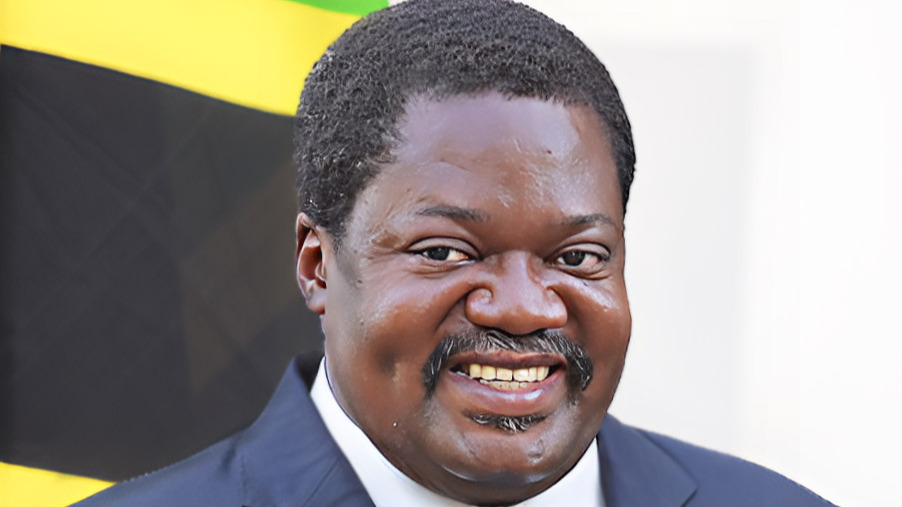
Tanzania’s Vice President, Dr Emmanuel Nchimbi, has resigned from office and announced his retirement from politics, capping weeks of speculation about a rift with President Samia Suluhu Hassan.
Nchimbi submitted his resignation letter to Hassan on August 25, 2026, and the president accepted it within hours. The Citizen reported that Chief Secretary Ambassador Moses Kusiluka confirmed the move in a statement, adding that the country would now begin the constitutional process of appointing a replacement. Nchimbi’s departure takes effect on September 4, 2026, less than a year after he was sworn in.
He cited Article 50(2)(c) alongside Article 149(2) of the constitution as his legal basis for stepping down, and linked the decision to a pledge he made to Hassan the year before. In the letter, he wrote that he had become convinced the president wanted change and had decided to honour his word. He thanked Hassan and the ruling party, Chama Cha Mapinduzi, and expressed gratitude to Tanzanians for their support during his time in public service.
From Ambassador To Second In Command
Nchimbi’s return to the top of Tanzanian politics followed a long career that took him in and out of government. Born in the Mbeya region in December 1971, he entered parliament in 2005 as the CCM member for Songea Town and rose quickly through the ranks under President Jakaya Kikwete, serving as deputy minister for information, labour and defence before becoming a full cabinet minister for information and later home affairs. He left the home affairs post in December 2013 following the fallout from the Operation Tokomeza anti poaching campaign.
After leaving parliament in 2015, he moved into diplomacy, serving as Tanzania’s ambassador to Brazil from 2016 to 2021 and then to Egypt until 2023. His path back to frontline politics opened in January 2024, when CCM’s National Executive Committee appointed him Secretary General, succeeding Daniel Chongolo, who had resigned over a personal scandal. Commentators at the time noted that the choice helped balance competing factions inside the party, since Nchimbi was seen as close to former prime minister Edward Lowassa, distinct from rivals aligned with the Kikwete and Magufuli camps.
Hassan picked Nchimbi as her running mate for the October 2025 general election, a vote later marred by unrest. A government appointed commission of inquiry, chaired by Justice Mohamed Chande Othman, found that more than 500 people died in violence that followed the disputed poll. Hassan and Nchimbi were sworn in the following month after taking close to 98 percent of the vote, succeeding Philip Mpango as vice president.
A Speech That Widened The Cracks
Cracks in the relationship became visible months into the new term. On July 24, 2026, addressing the annual meeting of the Tanzania Human Rights Defenders Coalition, Nchimbi told the audience that if he could leave Tanzanians with only one message, it would be to keep fighting for a new constitution, calling it the foundation on which other reforms depend. He argued the country should not wait for a future leader less willing to deliver one.
The speech triggered wide debate. Five days later, during a CCM National Executive Committee meeting in Zanzibar, a member of the committee who also sits in cabinet proposed referring Nchimbi to the party’s ethics committee, according to The Chanzo. When a ruling party spokesperson was later asked on Clouds TV whether the vice president had been summoned before the committee, he declined to give a straight answer. Observers also pointed to Nchimbi’s absence from CCM’s Central Committee meeting in late June and a cabinet meeting in mid July, both taken as signs of distance from the rest of the leadership.

What Happens Next
Hassan must now nominate a successor, who requires parliamentary endorsement before taking office, continuing a process that has already reshaped the country’s second highest office twice in under a year following Mpango’s death in office. Nchimbi, for his part, says he intends to stay out of politics altogether and remain what he called a good citizen of Tanzania. Whether his exit closes the chapter on the constitutional reform debate he championed, or gives it new momentum from outside government, will likely become clear in the months leading up to the 2030 election.
