


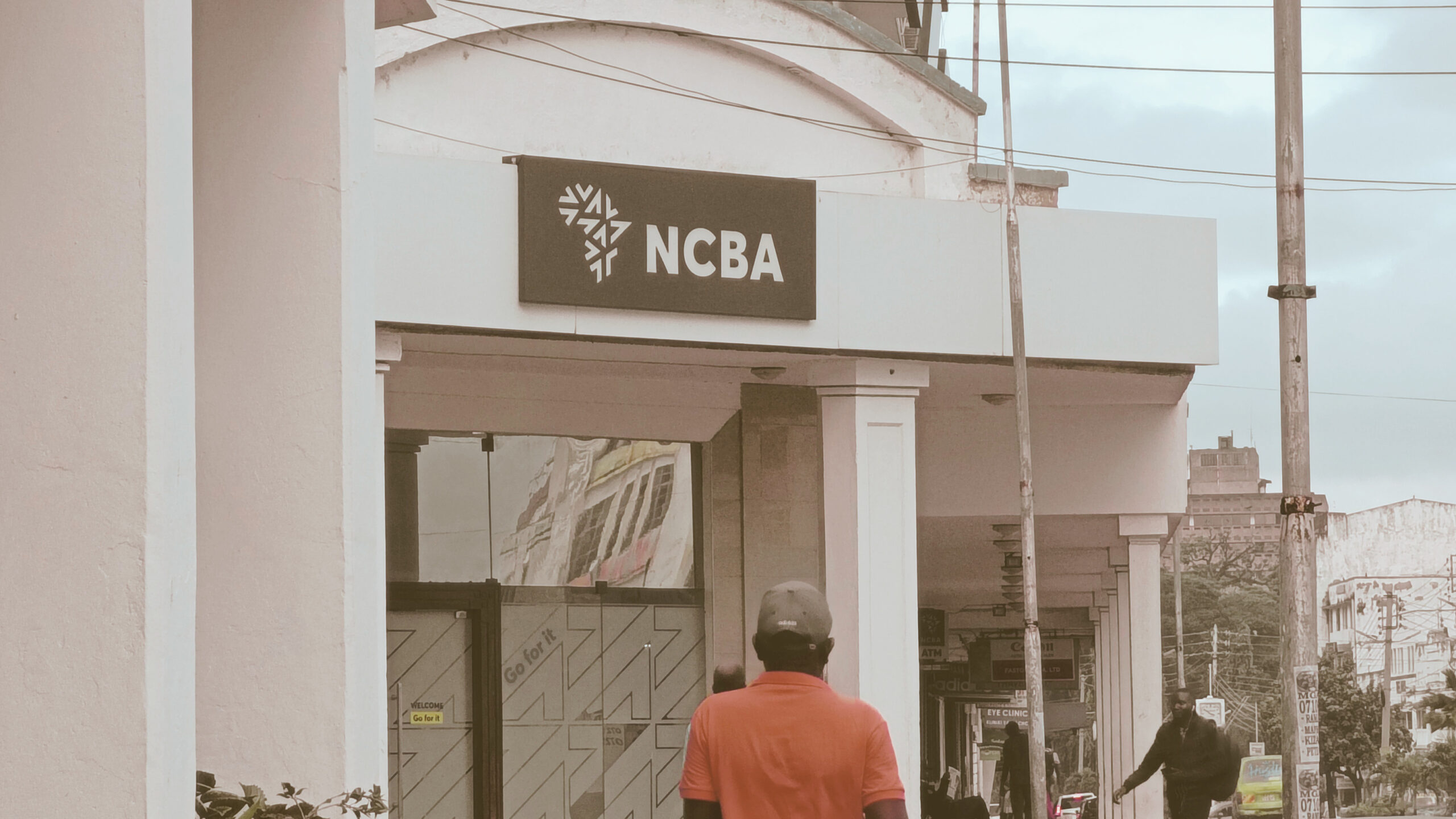
NCBA Group Plc posted a 12.2 percent rise in profit after tax to Sh12.4 billion for the six months ended June 2026, a result the lender credits to lending growth, rising digital transactions and higher customer deposits, even as inflation and cautious monetary policy weighed on the wider region.
The Numbers Behind the Growth
Operating income rose 15.1 percent year on year to Sh40.7 billion, while profit before tax grew 14.3 percent to Sh15.5 billion, according to half year results the bank released on Wednesday. Customer deposits climbed 11 percent to Sh551 billion, and total assets rose 11.5 percent to Sh739 billion.
The board declared an interim dividend of Sh3.75 per share, up from Sh2.50 a year earlier, a payout that tracks directly with the stronger profitability and reflects confidence in the group’s financial position heading into the second half of the year.
Table: NCBA Group H1 2026 Performance at a Glance
| Metric | H1 2026 | Change |
|---|---|---|
| Profit after tax | Sh12.4 billion | +12.2% |
| Profit before tax | Sh15.5 billion | +14.3% |
| Operating income | Sh40.7 billion | +15.1% |
| Customer deposits | Sh551 billion | +11% |
| Total assets | Sh739 billion | +11.5% |
| Interim dividend per share | Sh3.75 | Up from Sh2.50 |
| Digital loans disbursed | Sh819 billion | +26.9% |
| SME loan book | Sh44.7 billion | +12% |
| Assets under management | Sh101 billion | — |
| Non performing loan ratio | 10.5% | Below sector average of 15.3% |
| Capital adequacy ratio | 21.7% | — |
| Credit loss provisions | Sh5.2 billion | Up from Sh3.2 billion |
A Strategy Built to Absorb Regional Pressure
NCBA Group Managing Director John Gachora attributed the performance to disciplined execution of the bank’s UBUNTU strategy, pursued against a backdrop of inflationary pressure and cautious monetary policy across the region.
“The first half of 2026 was marked by a dynamic operating environment with pressure on inflation and a cautious policy approach by the regional central banks. Our focused execution of the UBUNTU strategy has ensured that we achieved a resilient total income growth of 15.1 per cent, reflecting healthy business volumes, improved margins and continued customer activity,” Gachora said.
Digital Channels Now Carry Most of the Business
Digital loans disbursed jumped 26.9 percent to Sh819 billion during the period, and mobile banking accounted for 94 percent of all transaction volumes, evidence that customers have shifted decisively away from branch based banking toward digital channels.
NCBA backed that shift with capital, investing Sh2.4 billion in technology infrastructure to accelerate artificial intelligence adoption, strengthen cybersecurity and improve operational resilience. That spending helped the bank achieve system uptime of 99.68 percent while supporting the regional rollout of its ConnectPlus business banking platform, infrastructure the bank is counting on to carry growth across its subsidiaries beyond Kenya.
Insurance Now Sits Inside the Group Structure
The digital and lending growth builds on a broader diversification NCBA has pursued for two years. In July 2024, the group completed its full acquisition of AIG Kenya Insurance Company, converting an 18 year minority stake into 100 percent ownership and folding a 50 year old insurance business into the group under the new name NCBA Insurance. The deal gave NCBA a foothold in an insurance industry valued at Sh309 billion and growing at a compound annual rate of 10 percent, positioning the group to sell insurance products through the same physical and digital channels that now carry its banking business. That earlier acquisition helps explain why non banking businesses, including insurance, investment banking, leasing and bancassurance, posted a combined 40 percent rise in profitability to Sh1.1 billion this half, a segment increasingly pulling its weight alongside core banking income.
Wealth Management and SME Lending Both Expanded
NCBA’s wealth management business grew assets under management to Sh101 billion while surpassing 60,000 active clients, a segment the group has built out steadily since diversifying beyond pure lending. Its SME loan book expanded 12 percent to Sh44.7 billion, deepening financing access for small businesses at a time when credit conditions across the region remain tight.
Kenya Carries the Group, Regional Units Add Momentum
Kenya remained NCBA’s strongest market by a wide margin. The local banking subsidiary posted a 24.3 percent rise in profitability to Sh13.7 billion, the single largest contributor to group earnings. Regional subsidiaries in Uganda, Tanzania and Rwanda collectively generated Sh1.6 billion in profit, supported by strong lending growth in each market, evidence that NCBA’s regional expansion is starting to contribute meaningfully rather than simply adding operational complexity.
Higher Provisions, But Asset Quality Still Outperforms
NCBA increased its provisions for credit losses to Sh5.2 billion from Sh3.2 billion a year earlier, a deliberate move to factor in potential economic risks rather than a reaction to deteriorating loans already on the books. Despite that higher provisioning, the bank maintained a non performing loan ratio of 10.5 percent, well below the Kenyan banking sector average of 15.3 percent, while sustaining a capital adequacy ratio of 21.7 percent, comfortably above regulatory minimums.
What Comes Next
Gachora said the group expects business opportunities to improve in the second half of the year, even against a softer global economic outlook. He added that the proposed transaction involving Nedbank remains on course after the tender offer closed with 121 percent oversubscription, pending regulatory approvals, a deal that would mark another significant shift in NCBA’s ownership structure once cleared.
Taken together, the half year results show a bank leaning into diversification, insurance, wealth management, regional subsidiaries and digital infrastructure, rather than relying on core Kenyan lending alone. Whether that diversification continues paying off will depend on how the Nedbank transaction resolves and whether regional units can keep growing profit at the pace Kenya has set.
