



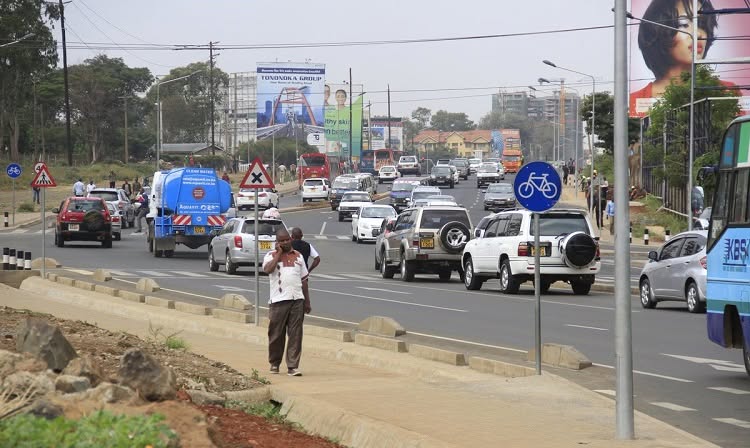
Kenya’s nationwide transport strike entered its second day on Tuesday before Interior Cabinet Secretary Kipchumba Murkomen announced a one-week suspension, opening the door to formal negotiations between the government and transport sector stakeholders over record fuel prices.
Strike suspended, talks set for one week
Speaking after meeting with the Transport Sector Alliance on Tuesday, CS Murkomen confirmed that both sides agreed to escalate negotiations to a higher level.
“The strike that is ongoing is suspended for a period of one week to provide an avenue for consultation and negotiations between the government and the stakeholders,” Murkomen said.
The CS added that the government remains committed to addressing concerns raised by Kenyans and called on all parties to use peaceful and lawful channels to air their grievances. Transport sector stakeholders used the same platform to condemn the violence and destruction of property reported across several towns on Monday, distancing themselves from those incidents.
What triggered the shutdown
The strike began after EPRA’s monthly fuel review, effective 14 May 2026, raised the price of super petrol by KSh16.65 per litre and diesel by KSh46.29 per litre. Nairobi pump prices reached KSh214.25 for super petrol and KSh242.92 for diesel. Kerosene held at KSh152.78. These are the highest pump prices ever recorded in Kenya. Between March and May alone, the average cost of fuel across product types rose by KSh80 per litre.
Transport operators argued that the increases, compounded by existing taxes and levies, made it impossible to sustain services without raising fares beyond what commuters could afford. The Transport Sector Alliance, which called the strike, brought matatus, boda boda operators, freight transporters, and other PSV players off the roads from midnight on Monday.
Major saccos including Super Metro, Metro Trans, Latema Travellers, and Forward Travellers suspended operations. Thousands of commuters were left stranded on Monday morning, with some walking for hours to reach work. The few matatus that remained on routes raised fares from KSh100 to KSh200 for trips to the Nairobi CBD.

Manufacturers warn of production cost surge
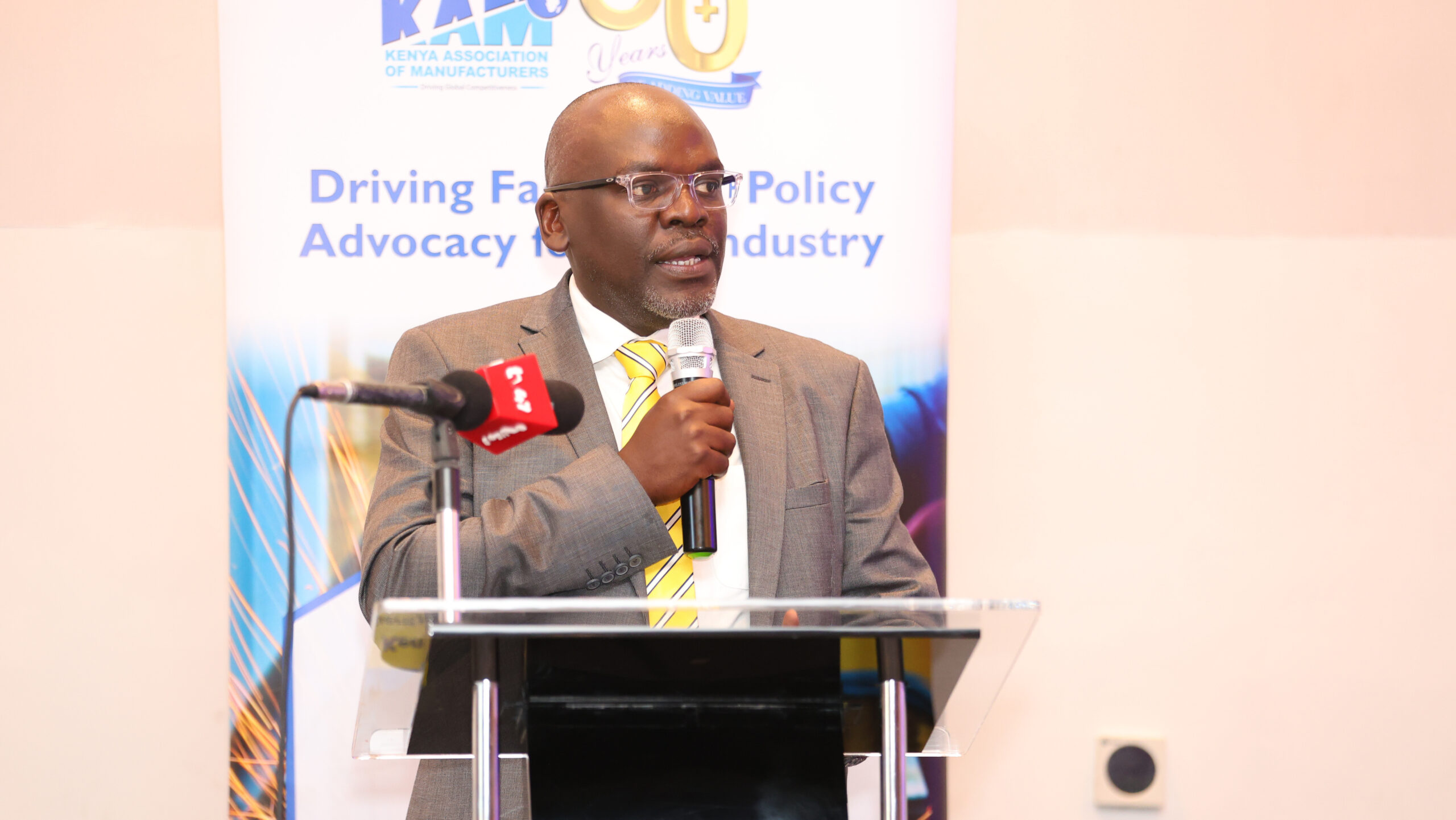
The Kenya Association of Manufacturers issued a statement on 18 May warning that the price surge would drive up costs throughout the industrial economy.
Manufacturers depend on Automotive Gas Oil, Industrial Diesel Oil, and Heavy Fuel Oil across the full production cycle, from sourcing raw materials through to distribution. Some sectors face a more direct exposure: resin and shoe polish manufacturers use kerosene as a production input, meaning the price of finished consumer goods will rise alongside the cost of commuting.
KAM also flagged the fuel cost component embedded in electricity tariffs, which it projected would rise from the current KSh3.47 per kilowatt-hour, adding a further layer of cost pressure on both businesses and households.
Taxes and levies currently account for approximately 46% of retail fuel prices, covering excise duty, VAT, the Road Maintenance Levy, the Petroleum Development Levy, the Railway Development Levy, and the Anti-Adulteration Levy. KAM acknowledged the government’s April 2026 decision to halve VAT on petroleum products from 16% to 8% as a meaningful step, but said it had not been sufficient to offset the scale of the current increase.
“The impact is already being felt across the transport and logistics sector, where operators have recently increased fares nationwide and are expected to implement further increases,” KAM Chief Executive Tobias Alando said in the statement. “For manufacturers, these disruptions result in interrupted operations, delayed production schedules, supply chain inefficiencies, and reduced productivity.”
KAM called on the government to urgently review fuel-related taxes and levies and to inject liquidity into the economy through targeted fiscal measures to stabilise supply chains and support economic recovery.
Protests turn violent
Monday’s demonstrations extended beyond the transport shutdown. Protesters blocked roads with burning tyres and stones in several towns, and police responded with teargas. CS Murkomen confirmed that four people died, more than 30 sustained injuries, and 348 suspects were arrested. He attributed the violence to what he described as “rogue politicians” who mobilised gangs to loot and burn property, including a UDA office in Wote and trucks at the Rironi–Mau Summit road project site.
EPRA revises diesel prices mid-cycle
On Monday night, EPRA announced a revised fuel pricing structure for the period from 19 May to 14 June 2026, following a petition from public transport operators. The authority said the revision aimed to reduce the risk of fuel adulteration caused by the KSh90 gap between diesel and kerosene prices.
Under the revised structure, diesel fell by KSh10.06 per litre to KSh232.86, while kerosene rose by KSh38.60 to KSh191.38. Super petrol remained at KSh214.25. The revision brought diesel and kerosene prices closer together but fell well short of the operators’ core demand: a full reversal of the KSh46.29 diesel increase.
The Transport Sector Alliance rejected the partial reduction and confirmed that vehicles would remain off the roads until a more substantial price cut was secured.
“We have agreed on the part of adulteration — that the price of diesel and kerosene be at par. On the issue of the diesel prices, that one we have not agreed and we have scheduled another meeting. In the meantime, it is our request that all our drivers and owners of vehicles continue keeping their vehicles at home,” the Alliance said.
Government acknowledges pressure, signals further action
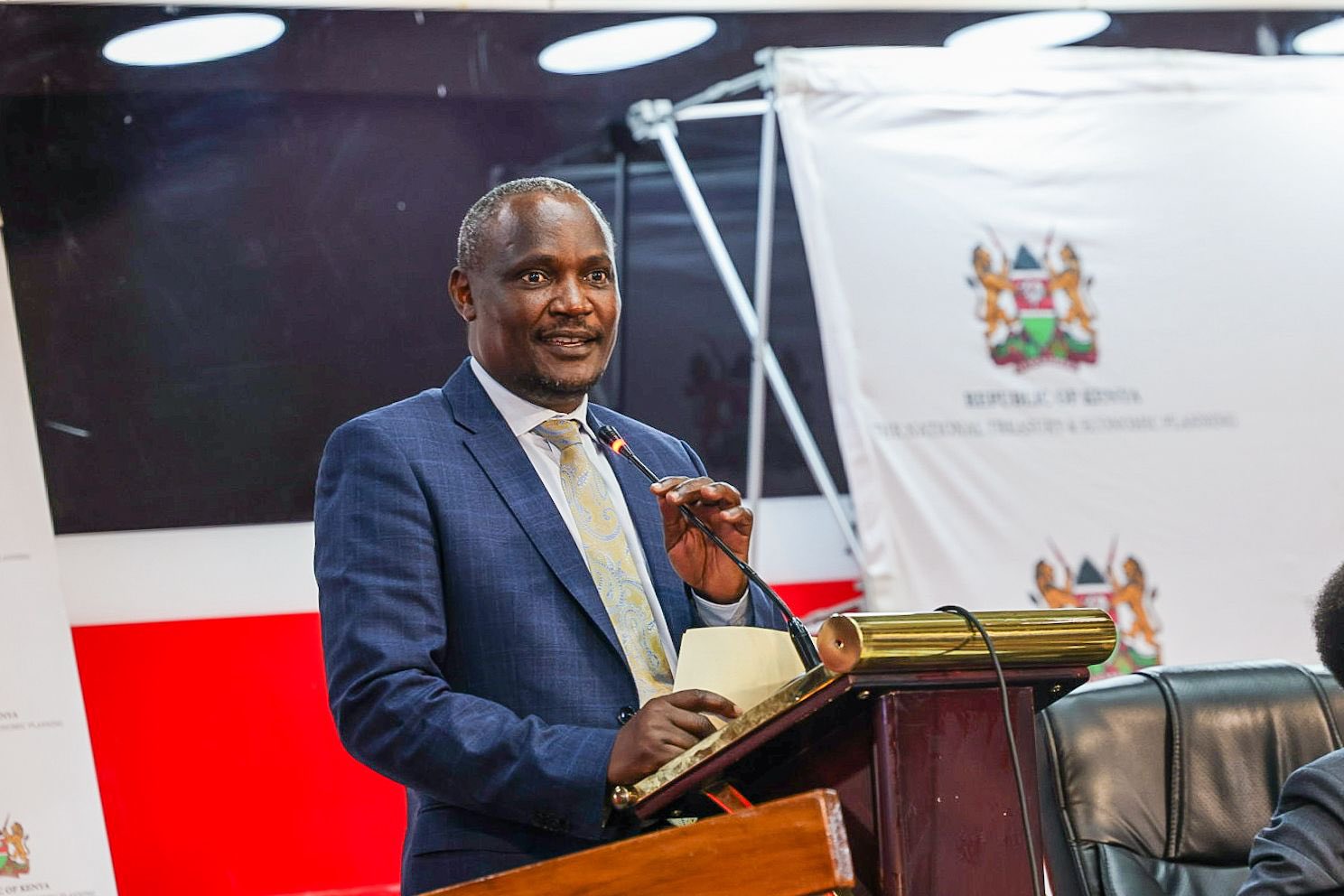
The government attributed the price surge to global oil market disruptions linked to the US-Iran conflict. Treasury CS John Mbadi said Kenya’s diesel prices had risen roughly 55% since late February 2026, against a global increase of approximately 76% over the same period, citing government cushioning through subsidies.
Mbadi confirmed that the government holds a KSh5 billion reserve in the Petroleum Development Levy Fund and indicated it could be deployed to stabilise prices. He also signalled that a VAT reduction on fuel remained on the table if the subsidy kitty proved insufficient, though he cautioned it would require corresponding expenditure cuts.
“We must debate and discuss soberly. The economy is going to be hit further, and when the economy is hit further, we have even fewer resources to subsidise prices,” Mbadi said.
Deputy President Kithure Kindiki confirmed that President William Ruto, attending meetings in Azerbaijan, directed him alongside CS Mbadi, Energy CS Davis Chirchir, CS Opiyo Wandayi, and CS Murkomen to convene an urgent meeting with transport operators and manufacturers to seek solutions.
