



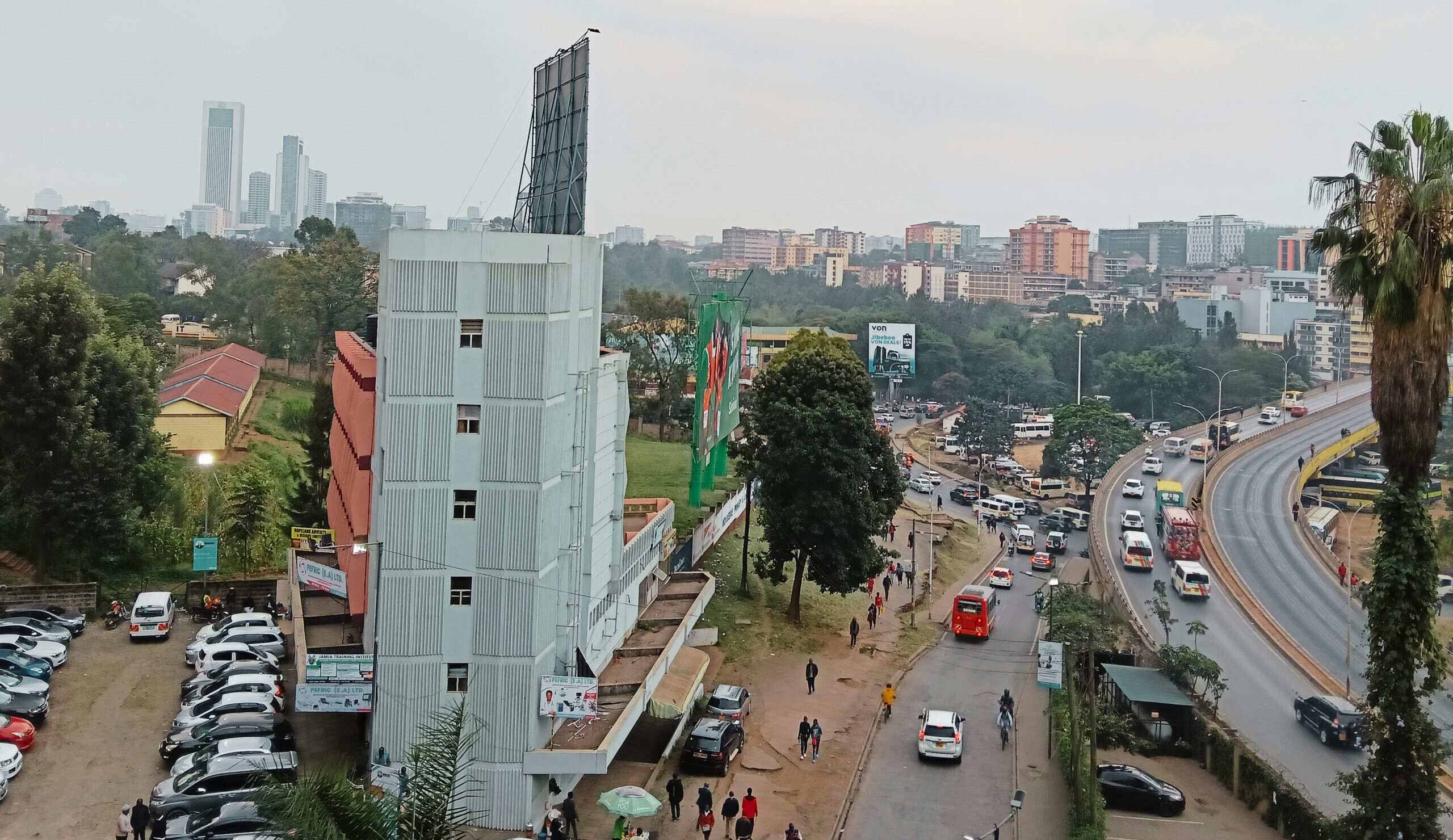
Commuters across Kenya will pay significantly more for public transport starting immediately, after matatu operators announced a 50 percent fare increase and threatened to pull all vehicles off the road from Monday, May 18.
For a commuter who paid Ksh100 for a single trip Friday, that journey now costs Ksh150. Operators say the new fares take effect across all routes in Nairobi and the rest of the country without delay.
What Triggered the Increase
The announcement came within hours of the government raising fuel prices for the cycle running May 15 to June 14, 2026. Super Petrol in Nairobi now retails at Ksh214.25 per litre, up Ksh16.65, while Diesel climbed Ksh46.29 to Ksh242.92 per litre. Kerosene prices held unchanged.
Cabinet Secretary for Energy and Petroleum Hon. Opiyo Wandayi attributed the increases to forces outside Kenya’s control. “The continued geopolitical tensions in the region have disrupted global energy markets, leading to a sharp increase in international crude oil prices, elevated freight and supply chain costs, and increased uncertainty in petroleum product availability across several markets worldwide,” he said in a statement dated May 15.
The numbers behind the price adjustments are stark. The landed cost of imported Super Petrol rose 10 percent, from USD 823.27 per cubic metre in March 2026 to USD 906.23 in April. Diesel climbed 20.32 percent, from USD 1,073.82 to USD 1,291.98 per cubic metre over the same period.
What the Government Says It Did to Cushion Consumers
The Ministry of Energy says it deployed the Petroleum Development Levy stabilisation mechanism to limit the scale of the increases, applying approximately Ksh5 billion to moderate price movements for Diesel and Kerosene. VAT on petroleum products was also reduced from 16 percent to 8 percent.
The government’s Government-to-Government fuel importation framework provided additional insulation. Wandayi noted that “global spot freight and premium rates for petroleum cargoes have more than doubled,” exposing countries that rely on open-market spot purchases to far steeper landed costs. Kenya’s fixed freight and premium arrangement under the G-to-G deal shielded consumers from the full force of those increases.
On supply security, Wandayi offered a direct reassurance: “The country currently has adequate petroleum stocks,” adding that the Ministry continues to monitor international oil markets and engage stakeholders across the energy, transport, manufacturing and business sectors to identify measures that limit the impact on consumers.
He also issued a warning to fuel industry players: “We should all remain vigilant against possible profit-driven exploitative practices during this period of uncertainty, ensuring that consumers are not placed at any further disadvantage.”
Strike Threat Targets Monday Morning
Matatu Owners Association President Albert Karakacha delivered his response plainly on Friday, May 15.
“On Monday, there will be strictly no movement of any vehicles. All the roads will be blocked until the government listens to our cry,” he said. “We had been promised, but the promises did not come to fruition.”
Representatives of matatu owners, tour vehicle operators and boda boda associations stood together at the announcement, widening the potential impact well beyond minibuses. Transport network companies received a pointed warning as well.
“All transport network companies, wherever they are, be aware that we are going to increase our prices by 50 percent. I caution you not to block any driver. If you don’t want to go the hard way, make sure you cooperate,” Karakacha said.
Operators Turn Their Fire on EPRA
Beyond the fares and the strike threat, operators directed pointed criticism at the Energy and Petroleum Regulatory Authority, accusing it of failing the industries it was established to protect.
“EPRA was set with the hope that it would regulate these industries to the benefit of society. Now it has become the biggest place for cartels to tax Kenyans to death,” Karakacha said.
The government, for its part, presented a different picture. Wandayi said the administration remains committed to “ensuring stable and uninterrupted supply of petroleum products across the country while taking reasonable and targeted measures to cushion consumers from excessive price shocks.”
What Happens Next
Operators say fares stay elevated and vehicles stay off the road until the government delivers tangible relief on fuel costs. If the strike holds from Monday morning, commuters across Nairobi and major towns should prepare for serious disruption at the start of the working week.
The government has not yet responded directly to the operators’ strike ultimatum.
