


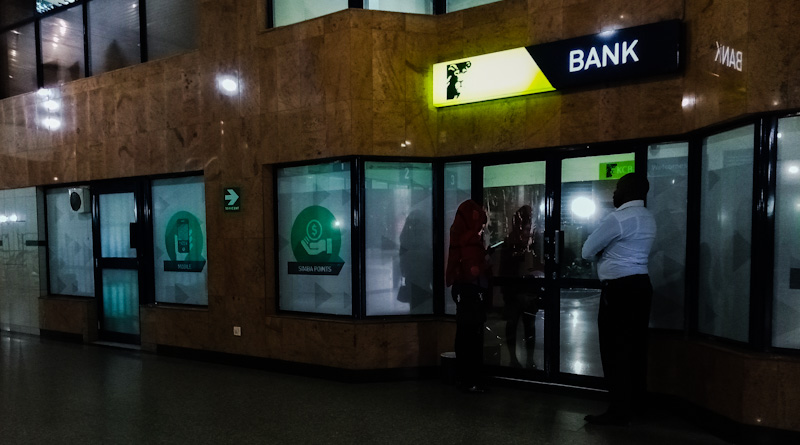
Every day in 2025, KCB put KShs 1.5 billion into the hands of borrowers through a mobile phone. No branch visit; no paper form; no queue.
That figure sits inside the bank’s 2025 Integrated Report and Financial Statements, and it tells a story worth unpacking. Mobile loan disbursements grew 30 percent year on year to KShs 544 billion, pushing the bank’s five-year mobile lending total past KShs 1.6 trillion. Behind that number sits a deliberate set of decisions about who qualifies for credit, how much they can borrow, and how often those limits update.
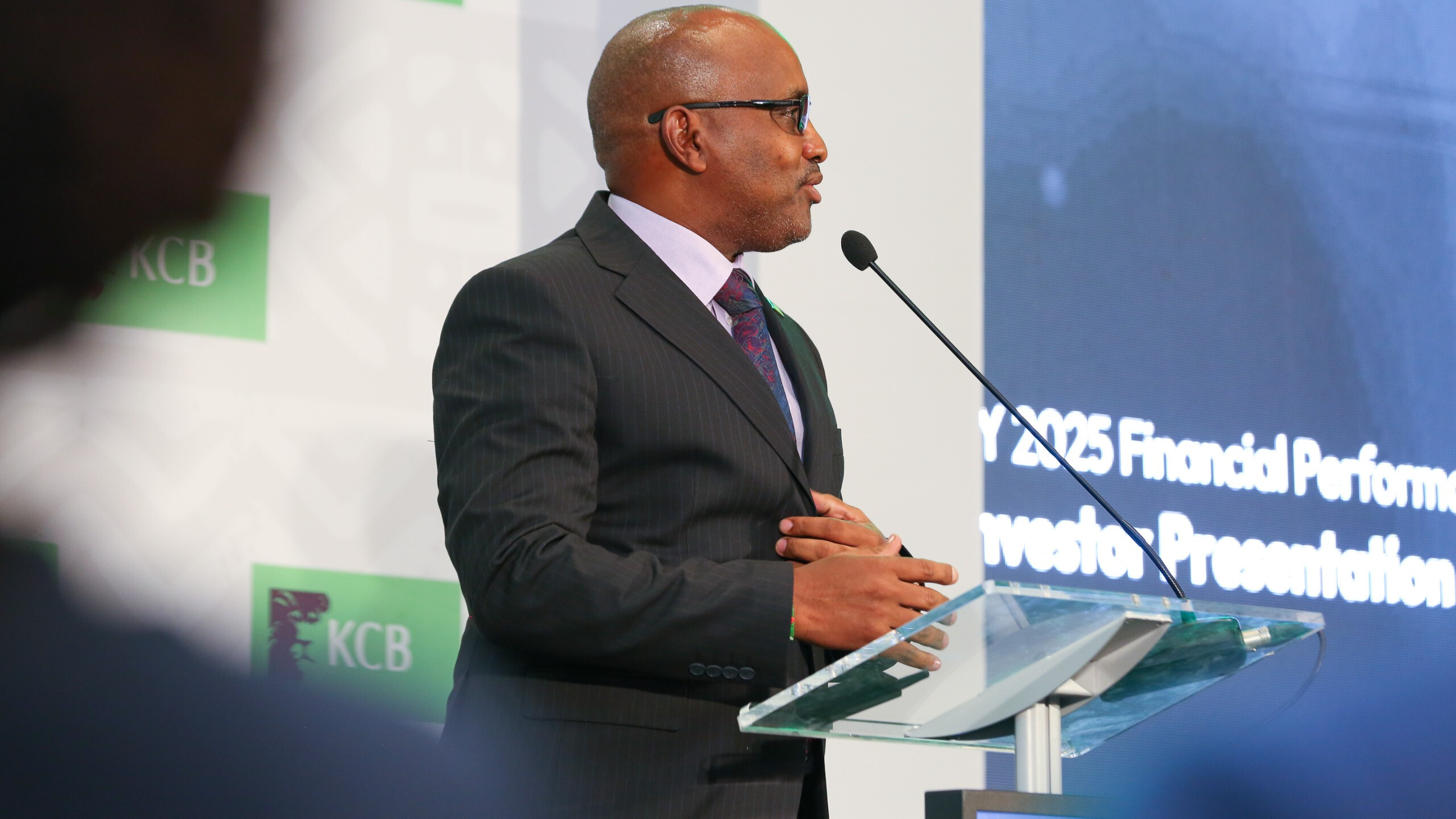
Group Chief Executive Officer Paul Russo framed the result in terms of the bank’s core strategic direction.
“During the year, we continued to innovate and develop products that match the needs of our customers,” he wrote in his reflections to shareholders. “In addition, we sustained our stance on enhancing customer experience, with a focus on delivering best-in-class customer relationship management.”
For the middle manager tracking her credit score, the small business owner waiting on a merchant advance, or the boda boda rider financing a new electric bike, these decisions land in ways that a percentage point in an annual report never quite captures.
Smarter Scoring Opened the Door to More Borrowers
The most consequential shift was not a new product. It was a change in how the bank decides who deserves credit in the first place.
KCB introduced a new application scoring model for KCB M-PESA customers. According to the report, the model widened “the number of customers in the credit-eligible pool” by 7 percent year on year. More customers now qualify. For those who already qualified, the model pushed up their credit limits by 17 percent. That combination produced an 8 percent rise in disbursements from the M-PESA product alone.
Credit scoring models matter more than most borrowers realise. A bank’s model determines whether your loan request goes through at midnight on a Tuesday or sits in a queue until someone reviews it. Improving that model means more people access credit at the moment they need it, not days later.
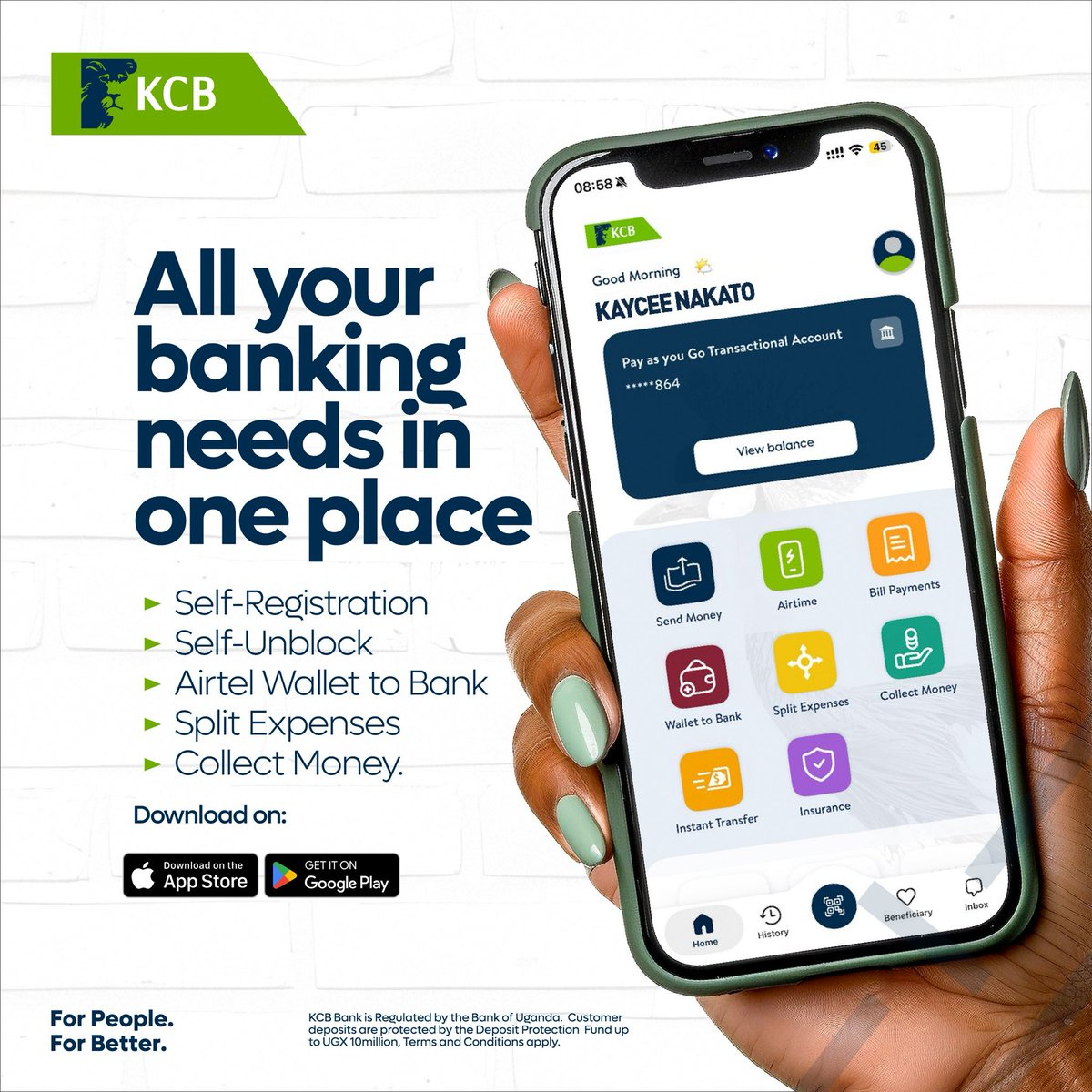
KCB also updated the rules governing KCB Mobi, its mobile banking platform. The report notes that the “integration of M-PESA and PesaLink inflows into credit decisioning led to a larger pre-scored customer base and higher credit limits.” More data points meant a fuller picture of each customer’s actual cash activity. Loans followed.
Beyond the scoring improvements, the bank deployed what it describes as “advanced lead generation algorithms” that enabled teams “to pre-score customers, unlocking more effective cross-selling and upselling opportunities.” At the same time, natural language processing of customer feedback let the bank identify and resolve pain points in real time.
Limits That Keep Pace with Real Life
One operational decision stands out for its practical impact: bi-monthly credit limit reviews.
For the KCB Mobile Loan and the Salary Advance Loan, the bank refreshed credit limits every two months throughout the year. The report states that these regular cycles “helped ensure that credit limits remained aligned with customers’ financial activity.” This matters because financial lives move fast. A customer whose salary increased in March should not still be borrowing against limits set in January.
For a salaried professional, this translates directly: the advance available to cover school fees in September reflects current income, not year-old data.
New Products Reached New Customers
The scoring improvements and limit cycles worked alongside a slate of new lending products, each designed for a specific financial moment.
E-mobility financing extended credit to borrowers purchasing electric motorcycles, including an expansion of boda boda rider programmes. The bank disbursed KShs 48.8 billion in green loans across 2025, with e-mobility forming part of what the report calls “energy transition”, a phrase that in practice means a rider in Nairobi can finance a cleaner, cheaper bike without walking into a branch.
Digi-Flme brought structured digital credit to a segment of borrowers not well served by traditional mobile loan products. The report notes that the KCB Foundation also “supported 265,300 jobs through livelihoods programmes” in 2025, with DiGiFLME listed among the core vehicles.
Merchant cashflow lending targeted small business owners whose revenue moves unevenly, giving them short-term liquidity tied to actual sales flow rather than formal payslips.
Device financing allowed customers to acquire smartphones through the KCB app itself, removing the upfront cost barrier that keeps many users off digital platforms entirely.
Together, these products addressed real friction points. They did not simply push existing credit to the same customers. They opened new credit paths for people whose financial lives did not fit the old moulds. As the report puts it, growth came from “enhanced limits, rollout of term loans and digital loans for small businesses.”
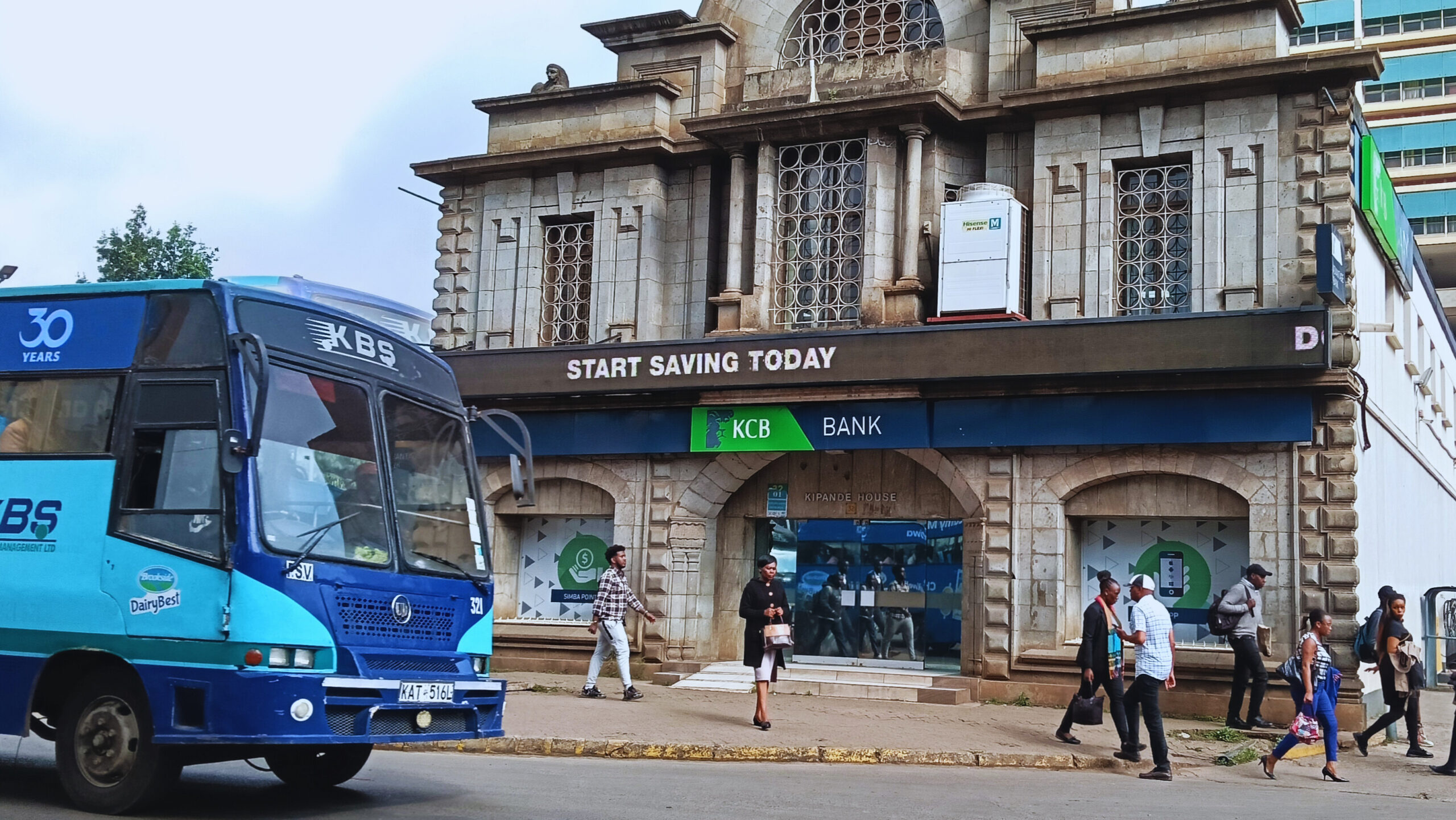
What This Means Beyond the Headline Number
KShs 1.5 billion per day through mobile is a striking figure. It also sits inside a broader story about where banking is moving.
In 2025, KCB processed 1.6 billion transactions through digital channels, a 21 percent rise, representing 99 percent of all transactions across every KCB touchpoint. By volume, mobile dominated. It’s infrastructure, scoring models, and product range now operate on the assumption that the customer’s primary relationship with the bank runs through a handset.
Russo put the digital direction as:
“We achieved significant milestones during the year including the launch of a new unified mobile app featuring easy and fast self-onboarding for account and wallet opening, integrated money market fund access, and a mini-app ecosystem.”
For borrowers, this shift reduces the cost of accessing credit in ways that go beyond interest rates. Time cost drops. Geographic barriers fall. A small business owner in Kisumu no longer needs to be in Nairobi to access a merchant advance. A first-time borrower building a credit history does so through the device already in their pocket.
The 30 percent growth in mobile loan disbursements did not happen by accident. KCB made deliberate technical investments, widened its scoring models, and built products that fit how people actually earn and spend. The KShs 1.5 billion daily figure is the output. The infrastructure, the data models, and the product decisions behind it are the real story.
