



Kenya’s bankers want the Central Bank of Kenya to raise interest rates. The question is whether households and businesses can afford the consequences.
The Kenya Bankers Association (KBA) released a research note, “A Call to raise the Central Bank Rate anchor high inflation expectations,” on June 3 calling on the CBK’s Monetary Policy Committee to push the Central Bank Rate (CBR) higher when it meets on June 9, 2026. The lobby argues a rate increase has become necessary to rein in inflation that has climbed sharply over the past two months.
Headline inflation reached 6.7 per cent in May 2026, the highest reading since January 2024, surging from 5.6 per cent in April and 4.4 per cent in March. The speed of that rise, not just the level, is what concerns KBA.
Oil prices are driving the pain
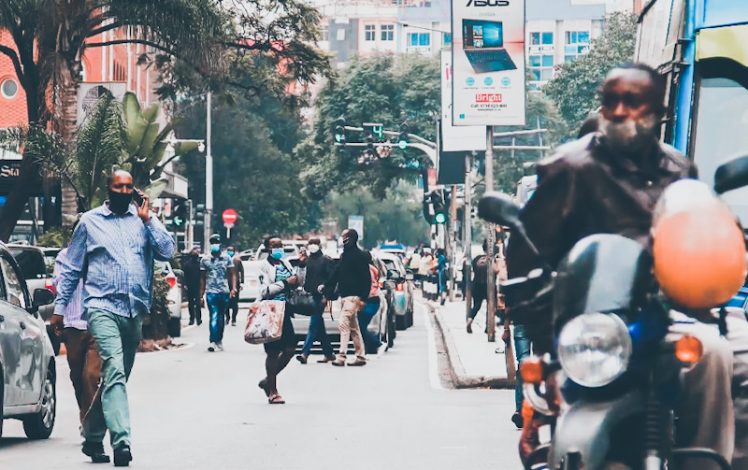
Transport costs bear the greatest pressure, up 16.5 per cent year on year in May, after the government raised fuel prices in both April and May in response to surging global energy costs tied to the US-Israel conflict with Iran. Higher pump prices travel quickly through Kenya’s economy, pushing up the cost of moving goods, running factories, and running a matatu route.
According to NCBA Market Research, petrol prices rose 8.4 per cent month on month in May, while diesel jumped 18.4 per cent. Transport inflation followed, climbing 16.5 per cent year on year. The bank’s analysts note that elevated oil prices will likely keep transport costs high in the near term, with Brent crude now trading around $93.5 per barrel. Declining oil stocks in Europe and Asia, combined with ongoing Middle East uncertainty, give little reason to expect relief soon.
Food prices compound the squeeze
Food and non-alcoholic beverages also rose faster, up 9.4 per cent in May compared with 8.8 per cent in April. NCBA’s data show the increases were concentrated in vegetables: cabbages surged 37.8 per cent, tomatoes 45.7 per cent, kale 22.9 per cent, spinach 18.6 per cent, and potatoes 23 per cent. Heavy rains in March and April disrupted production, and NCBA warns the effect could persist into June and July.
Core inflation, which strips out volatile food and energy prices, also ticked up to 3.3 per cent from 2.8 per cent, though analysts attribute this to higher food, beverage, and transport costs rather than any broad pickup in consumer demand.
KBA’s case for a rate rise
KBA’s position is direct.
“Inflationary pressures have re-emerged from an oil supply shock, triggering expectations of higher price rises from the shock’s second-round effects, and calling for monetary policy to provide a cushion,” the association stated in its note.
The bankers argue that acting early matters. “A timely upward adjustment of the Central Bank Rate will effectively anchor inflation expectations and support price stability in the medium term,” KBA said.
NCBA’s analysts share the concern about direction of travel, projecting that domestic headline inflation could approach 7.5 per cent in June if second-round effects from oil prices take hold.
What a rate hike means for borrowers
The CBK held the CBR at 8.75 per cent at its April 8 meeting, after a record ten consecutive cuts that brought the rate down from a peak of 13 per cent in a sustained easing cycle aimed at stimulating private sector credit. A reversal now would unwind some of that relief.
KBA acknowledges the tension. Private sector credit growth has begun recovering following the previous rate reductions, the association noted, but uncertainty about the rate outlook combined with rising inflation could dampen borrowing appetite and increase risk across the banking sector.
For Kenyan households already repaying loans, a higher CBR would likely translate into larger monthly instalments. Businesses seeking new financing would face steeper borrowing costs at a moment when operating expenses are already climbing.
KBA also flagged a broader economic concern. Recent Purchasing Managers’ Index data show business activity holding below the 50-point threshold that separates expansion from contraction, meaning the productive economy is already under strain. A rate increase, while necessary to control prices, risks pressing on that weakness.
The MPC meets Monday. Its decision will signal whether the CBK believes the inflation risk has grown serious enough to reverse the longest easing cycle in its history.
