


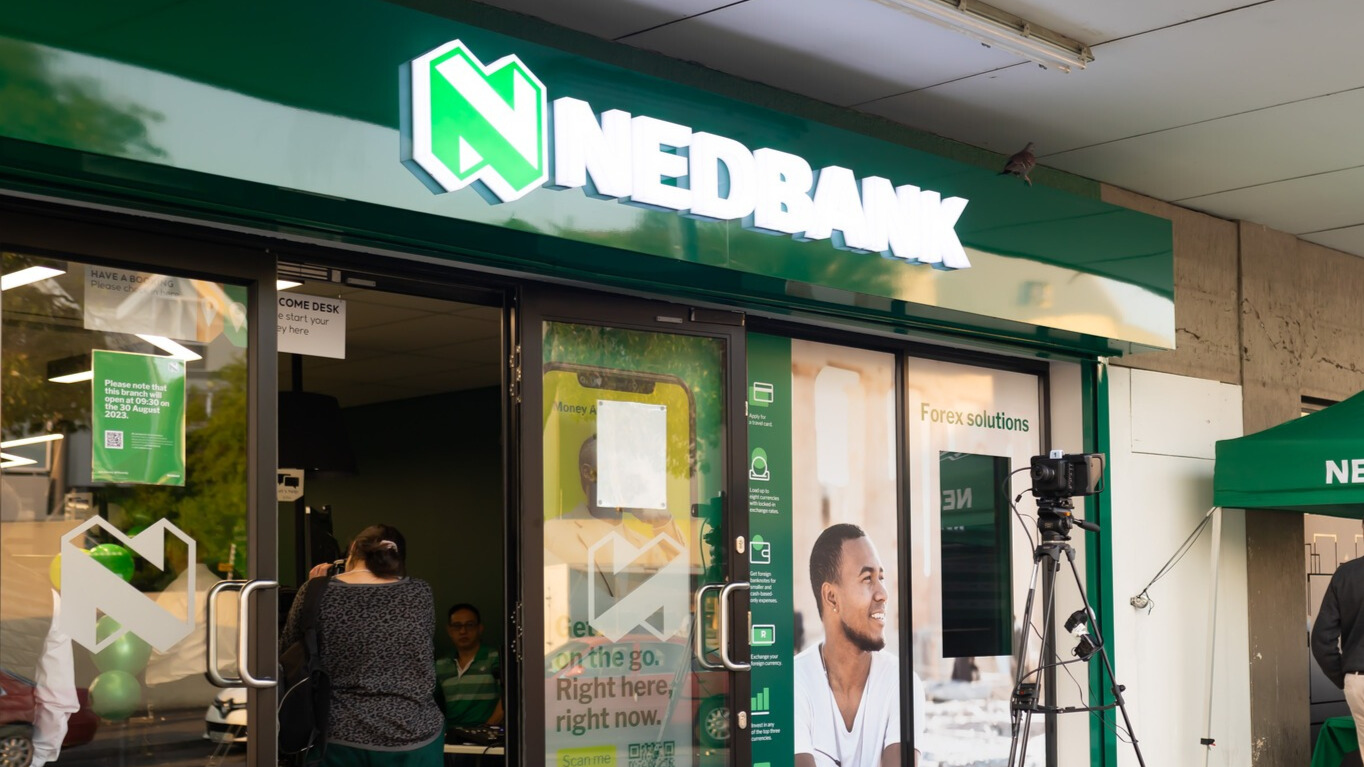
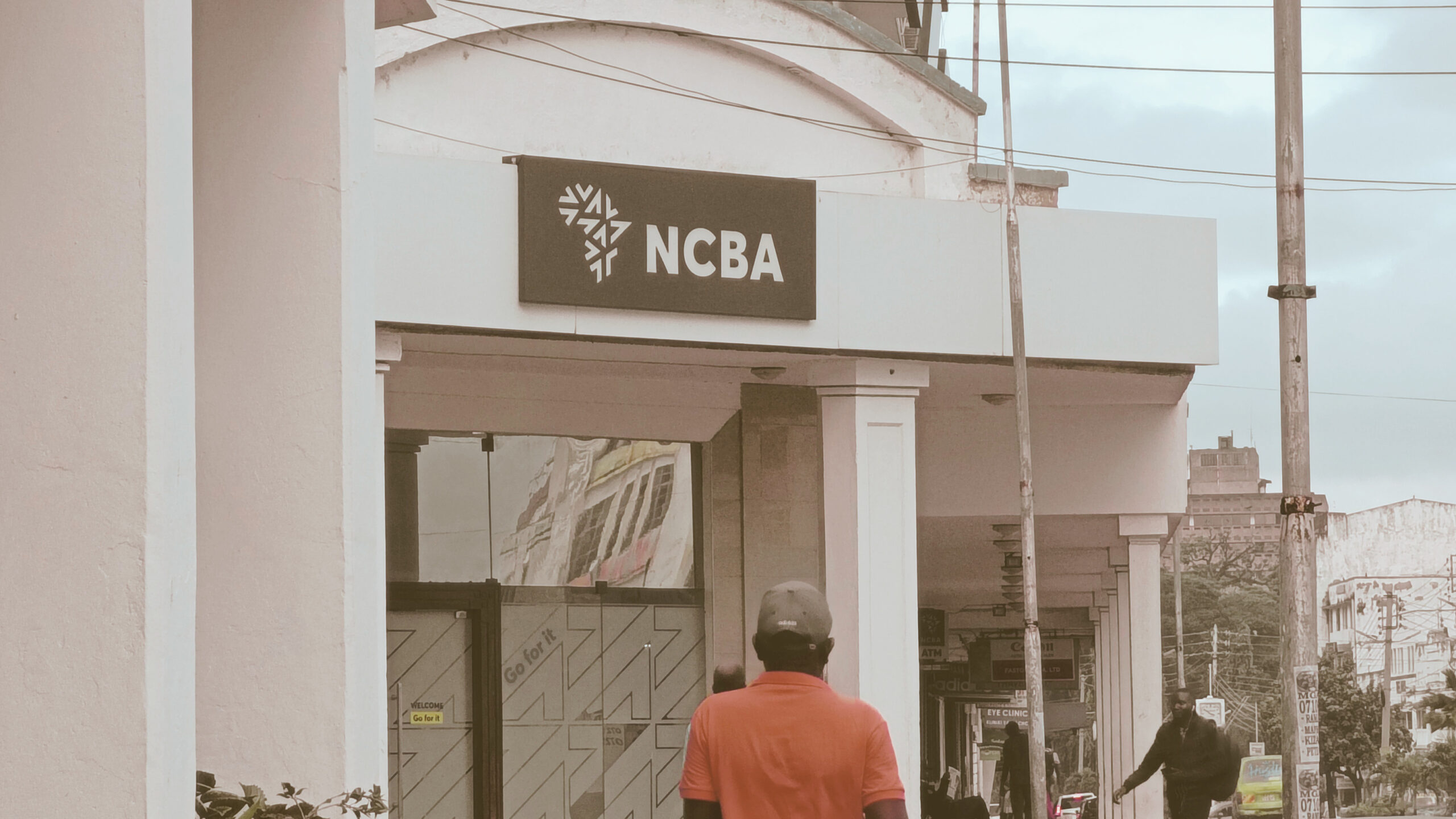
Nedbank Group closed its offer to acquire 66% of NCBA Group on 10 July 2026, and Kenyan shareholders responded with far more shares than the South African lender needs.
Tenders covered 1.316 billion shares, equal to 79.90% of NCBA’s issued capital, pushing the offer well past its target and forcing Nedbank to scale down what it ultimately accepts.
Why the Offer Ended Up Oversubscribed
NCBA shareholders could tender up to 66% of their holdings automatically under the pro rata entitlement. Many went further. Shareholders submitted pro rata acceptances covering 920.7 million shares, or 55.88% of the bank, then layered on excess applications for another 395.7 million shares, worth 24.02%.
Add the two together and shareholders offered Nedbank 13.9 percentage points more than the 66% stake it set out to buy.
| Category | Shares Tendered | Share of NCBA |
|---|---|---|
| Pro rata acceptances | 920,652,658 | 55.88% |
| Excess applications | 395,705,237 | 24.02% |
| Total acceptances | 1,316,357,895 | 79.90% |
How the Scaling Math Works Out
Nedbank only needs 166.7 million of those excess shares to round its holding up to the targeted 1.087 billion shares. That leaves roughly 42.1% of all excess applications accepted, while the remaining 229 million excess shares stay with the shareholders who offered them. Nedbank pays cash and issues shares only for stock it actually takes up, so the untaken portion generates no consideration and no dilution beyond what was planned.
Once the dust settles, NCBA’s shareholding structure lands close to where Nedbank aimed from the outset.
| Shareholder | Shares Held | Stake |
|---|---|---|
| Nedbank Group Limited | 1,087,362,891 | 66.00% |
| Other NCBA shareholders | 560,156,641 | 34.00% |
| Total | 1,647,519,532 | 100.00% |
What Happens Between Now and Settlement
Every shareholder who tendered stock gets a notification confirming their final allocation from the tenth trading day after settlement. Trading in NCBA shares on the Nairobi Securities Exchange pauses briefly around that window before resuming, and the share register transfers to Nedbank through a block trade.
The deal traces back to January 2026, when Nedbank first flagged its intention to buy into NCBA and pitched the combination as a way to pair its balance sheet and cross border banking experience with NCBA’s regional branch network across Kenya, Uganda, Tanzania, Rwanda and Ivory Coast. The Capital Markets Authority granted Nedbank an exemption from the mandatory full takeover rule in February, and by June the transaction had cleared COMESA and the East African Community Competition Authority as well.
Regulators outside Kenya still need to sign off, including bodies in South Africa, Tanzania and Rwanda, but Nedbank expects those approvals within the next quarter. Barring delays, the transaction should wrap up by the end of the third quarter of 2026 or shortly after, with NCBA staying listed on the NSE and continuing to operate under its own brand and management team.
For NCBA’s largest shareholders, including the Kenyatta and Ndegwa families, the deal converts a slice of their holding into a mix of cash and Nedbank stock, while the bank itself gains a South African parent with a much larger regional footprint than it could have built on its own.
