



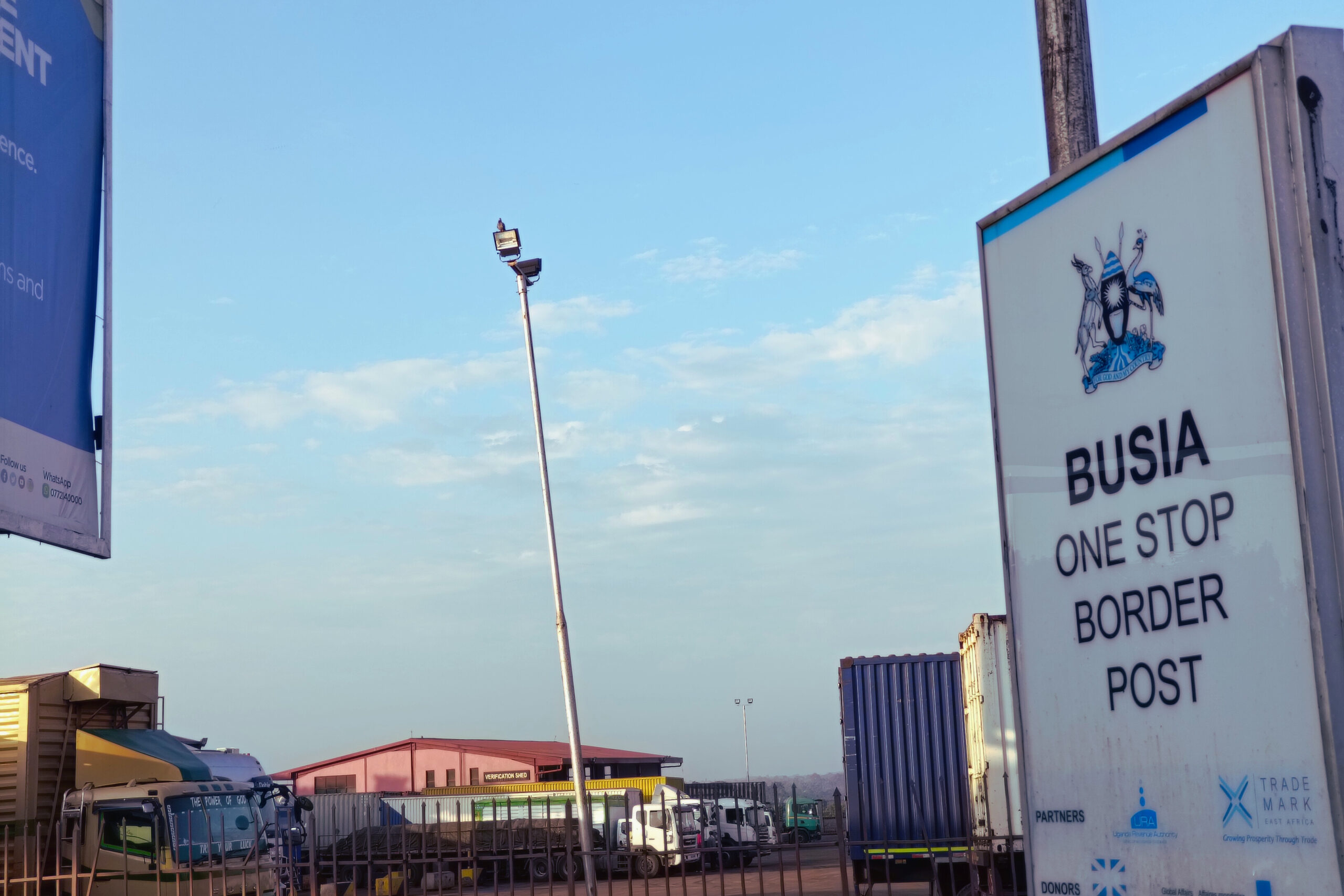
Kenya’s manufacturing sector is sounding the alarm. Despite the promise of the African Continental Free Trade Area, logistics bottlenecks are undermining the country’s ability to compete across the continent.
The warning came at the launch of a new Logistics Study Report by the Kenya Association of Manufacturers, and the message was direct: opening markets means nothing if the systems connecting businesses to those markets cannot keep pace.
“While markets are opening, the systems that connect us to those markets are not moving at the same speed,” said KAM Chief Executive Tobias Alando. “In many cases, logistics costs now outweigh the benefits of tariff reductions, meaning products are not competitive by the time they arrive.”
The study, supported by TradeMark Africa and funded by the UK Foreign, Commonwealth and Development Office, examined four export corridors: the Lusaka corridor to Zambia, the Moyale corridor to Ethiopia, maritime routes to West Africa covering Ghana and Nigeria, and air freight markets across the continent. Its conclusion is clear. Tariff liberalisation alone cannot unlock AfCFTA’s potential. The real constraints sit inside logistics systems where cost structures, operational inefficiencies, and scale limitations hit smaller exporters hardest.
The Human Cost of Broken Supply Chains
Before the data, there are the people. Harriet Ngo’k, founder of Harriet Botanicals and Chair of the KAM SME Hub, puts the reality of trading across Africa in numbers that demand attention.

“For products worth Sh30,000, it costs me Sh14,000 to get them to Rwanda and Sh17,000 to Nigeria,” she said. “These costs are high and unpredictable, and they directly affect where and how we can trade.”
For a manufacturer dealing in perishable goods, the problem goes beyond cost. It eats into the product itself. “My products have a shelf life of three to six months, yet it can take seven to ten days just to reach nearby markets like Uganda. By the time they arrive, I have already lost part of that shelf life.”
Harriet’s experience is not an exception. It reflects the reality facing thousands of Kenyan SMEs trying to trade under AfCFTA.
The Lusaka Corridor: High Costs, Empty Trucks
The road corridor linking Nairobi to Lusaka through Tanzania carries significant cargo between East and Southern Africa. Kenyan manufacturers ship consumer goods, plastics, processed foods, and chemicals along this route daily. But the economics punish small exporters repeatedly.
Transporting a 20-foot container along this corridor costs between USD 3,500 and USD 7,000, depending on fuel prices and cargo availability. Add toll charges across six Zambian toll stations, a carbon levy of roughly USD 50 at entry, driver costs, and facilitation payments, and the total logistics bill climbs well before goods reach a Lusaka warehouse shelf.
Transit times range from 8 to 30 days. At the Nakonde/Tunduma border crossing, approximately 1,000 trucks pass daily and around 30,000 declarations are processed every month. Despite this volume, average clearance time sits at 2.5 days, extending further due to scanner breakdowns, ICT failures, and documentation gaps between border agencies.
For large exporters, these delays are manageable. For SMEs operating on thin margins and limited working capital, a clearance delay triggers a cash flow crisis. Missed delivery windows, storage costs, and unpredictable schedules translate directly into lost business.
Backhaul inefficiency compounds the problem. Trucks delivering goods to Zambia frequently return empty because bilateral cargo flows remain too thin to fill containers on the return journey. Freight operators recover those idle return costs through higher outbound rates. SMEs without long-term freight contracts absorb every increase in full.
The Moyale Corridor: Infrastructure Gains, Institutional Gaps
The Isiolo to Moyale highway has improved considerably following years of investment, cutting journey times and opening a direct road connection to Ethiopia, a market of over 120 million people and one of Africa’s fastest growing economies.
Yet road improvements alone have not solved the corridor’s deeper problems. The Moyale One Stop Border Post remains only partially operational. Cargo scanners and weighbridges are absent. Border operating hours are restricted. Documentation still moves physically between offices rather than through integrated digital systems. Language differences between Kenyan and Ethiopian border officials add further delays.
KRA data recorded just 364 customs entries at Moyale between July and December 2025, averaging roughly two trucks per day. Kenya has only one official border crossing point with Ethiopia, compared to five with Uganda and six with Tanzania. The study recommends opening additional crossing points, including Eresteno and Dukana, alongside expanded Simplified Trade Regime facilities and stronger trader awareness of AfCFTA documentation requirements.

West Africa: Shipping That Routes Around Africa
Kenya exports over USD 51 million worth of goods to Nigeria annually. Getting them there requires navigating one of the most awkward logistics arrangements on the continent. Road freight between Nairobi and Lagos is commercially unviable. Maritime shipping from Mombasa is the only realistic option, but direct routes between East and West African ports are almost nonexistent.
Most cargo transships through ports outside Africa before completing its journey. Shipping a 20-foot container from Mombasa to Lagos costs between USD 3,200 and USD 4,200 in total, with transit times running between 20 and 35 days. As one maritime industry representative told the study team: “Big ships serve big routes.” Until intra-African container density justifies direct liner services, Kenyan exporters pay through longer transit times and higher landed costs.
Air Freight: Fast, Reliable, and Out of Reach
Air freight moves cargo from Nairobi to Lagos in five to eight days. It costs between USD 3.50 and USD 10 per kilogram, compared to USD 0.16 to USD 0.21 per kilogram by sea. For most manufactured goods, those numbers make air freight impossible at any meaningful scale.
African aviation compounds the problem further. Routes are predominantly import-dominant, outbound cargo volumes stay low, and the Single African Air Transport Market remains only partially implemented. Until more countries honour their aviation liberalisation commitments, air freight will remain a niche option rather than a channel for SME exports.
The Fix Starts With Scale and Political Will
Every corridor examined in this study points to one structural reality: Africa’s logistics systems are built for high-volume exporters. An SME shipping two pallets to Lusaka faces the same compliance burden, the same documentation requirements, and the same border queues as a large company moving 20 containers a week. The large company spreads those costs across volume. The SME carries them alone.
The study proposes a practical response: a shared SME distribution warehouse in Lusaka that would allow multiple Kenyan exporters to consolidate shipments, pool storage infrastructure, and coordinate distribution within the Zambian market. Container freight savings of 10 to 15 percent at scale could sharpen Kenya’s competitive edge on regional shelves.

TradeMark Africa Country Director Lilian Mwai welcomed the report’s direction. “This report goes beyond identifying challenges. It pinpoints the real bottlenecks, from high clearance costs to infrastructure delays, that must be addressed to unlock intra-African trade.”
Industry Principal Juma Mukhwana pointed to the Standard Gauge Railway and County Aggregation and Industrial Parks as foundations to build on. “We must move from exporting raw materials to building value locally and regionally. This requires investment in infrastructure, support for SMEs, and stronger regional integration,” he said. “Kenya’s time is now, and Africa’s time is now.”
The AfCFTA remains one of the most consequential trade agreements in Africa’s history. But its benefits will not reach smaller firms automatically. Capturing them requires sustained investment in logistics systems, border infrastructure, cargo aggregation mechanisms, and aviation connectivity that determine whether a Kenyan manufacturer can compete, not just in theory, but on the ground.
