


Ugandan professionals and entrepreneurs in Kenya heard a clear message in Nairobi this week: send less money home for daily upkeep and put more of it into assets that last.
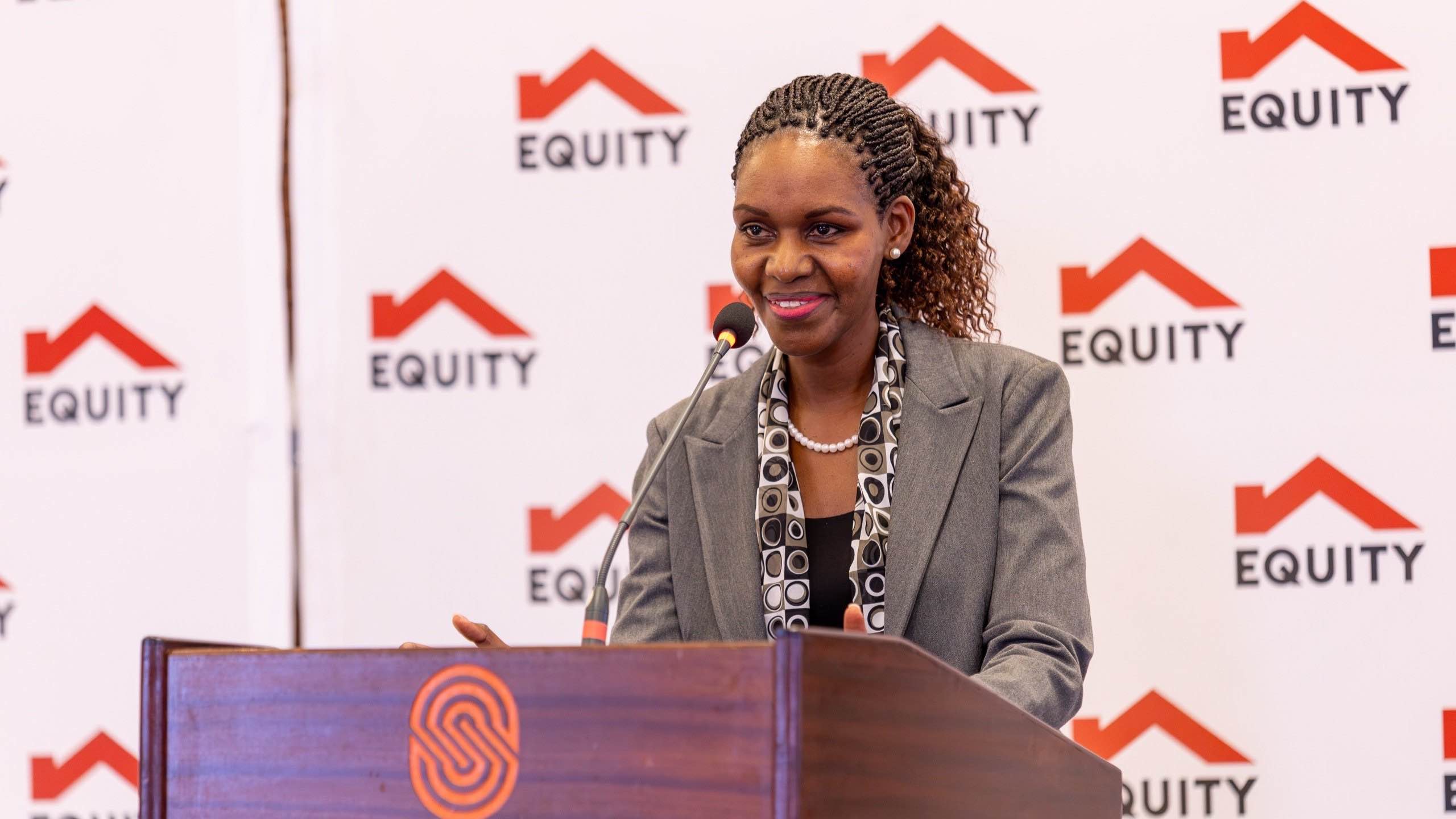
The appeal came at a Diaspora Investment Forum on Monday, November 9, hosted by Equity Bank Uganda with the Uganda Network (UGNET). Speakers urged the audience to buy property, fund farms and expand businesses in Uganda rather than treat remittances only as household support.
Why diaspora money matters to Uganda
The Bank of Uganda and the International Fund for Agricultural Development (IFAD) launched a remittance dashboard on April 1, 2026. It showed that remittance inflows reached $2.5 billion in 2025, about 3.8% of GDP. The dashboard recorded more than 16 million transactions at an average of $152.
The figure is higher than earlier estimates, but not because more money arrived. Earlier figures put annual inflows at $1.5 billion. Deputy Governor Augustus Nuwagaba said the difference reflects better measurement. The average cost of sending money to Uganda stands at about 8%, against a UN target of 3%.
Uganda also sends money out. Outflows totalled $402 million in 2025, mostly to India, Kenya, the United States, the United Kingdom and Canada. The sources reviewed do not give a separate figure for transfers from Kenya to Uganda, so the size of the Nairobi corridor remains unpublished.
Kenya sits on the other side of the same trend. Khusoko reported that Kenya’s rolling annual remittance inflows passed $5 billion for the first time in the year to April 2026, and monthly inflows hit $412.7 million in February.
What the speakers said
UGNET chair Dr Phionah Atuhebwe, who is also a senior health adviser at UNICEF, said the diaspora is a “powerhouse of investment capital, professional expertise, innovation, and global networks.” She said building assets, not only sending money, creates lasting prosperity.
Equity Bank Uganda Executive Director Claver Serumaga said the bank wants to support customers through the whole investment process. “True diaspora banking goes beyond simple transactions,” he said.
The bank presented savings and current accounts, investment and construction financing, insurance, investment club accounts and foreign exchange services. Its mortgage and equity release products allow borrowing up to 70% of a property’s appraised value.
Winfred Warui, who leads international banking and cross border payments at Equity Bank Uganda, said banking links inside the East African Community now let Ugandans in Nairobi buy land, fund construction and expand businesses at home directly, at competitive exchange rates. Equity Group runs banking subsidiaries in both countries.
Participants were told to save consistently, spread investments across asset types and deal only with regulated institutions. Investing from abroad carries risks that distance makes harder to check, particularly in land purchases.
Diplomats back the push
Eunice Kigenyi, who heads Uganda’s mission in Nairobi, said the government offers legal pathways so that investments are “protected, authenticated, and anchored in trust.”
Ababu Namwamba, Kenya’s High Commissioner to Uganda, said channelling diaspora earnings into productive investment builds individual wealth and strengthens regional integration by linking businesses across borders.
Kenya and Uganda trade: the numbers
The investment push rests on a large trade relationship. Kenya sells more to Uganda than it buys, and the gap has shaped years of disputes.
Uganda’s exports to Kenya in 2024 were led by dairy products, iron and steel, coffee and tea, ceramics and wood products. Kenya’s exports to Uganda are dominated by petroleum products, cement, iron and steel, edible oils and manufactured goods.
Barriers have disrupted the flow. Kenya blocked Ugandan milk in 2019, then sugar and poultry. In August 2025 the two governments agreed to remove tariff and other barriers, and Khusoko’s report on the deal noted that Uganda remains Kenya’s top regional trading partner.
The Monitor has since reported that DRC and South Sudan overtook Kenya as buyers of Ugandan goods over a three month stretch.
