



As sustainability reporting gains ground, Kenyan businesses must look beyond polished reports to the quality of their data, the credibility of their commitments and the results they can demonstrate.
Sustainability is becoming a business issue that Kenyan companies can no longer afford to treat as a communications exercise. Investors want to understand risk, lenders need credible information, and customers increasingly expect businesses to account for their environmental and social impact.
But there is a difference between publishing a sustainability report and proving that the commitments inside it reflect what a business actually does.
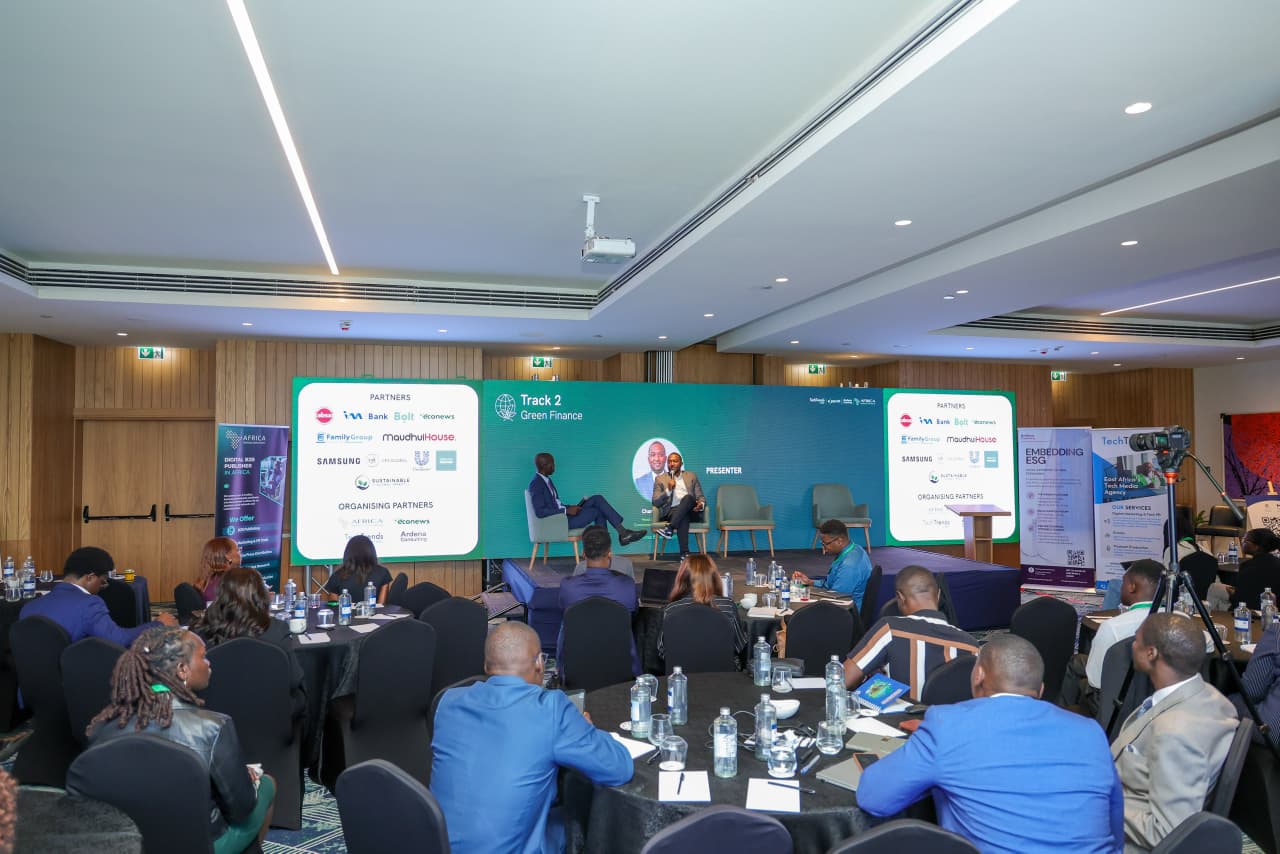
That distinction emerged at the GreenShift Sustainability Forum 2026, held at Hyatt Place Westlands in Nairobi on October 22. Organised by TechTrends Media in partnership with Ardena Consulting and Africa Business Communities, the forum brought together business leaders, financiers, sustainability professionals and policymakers to examine the role of businesses in environmental sustainability.
Across discussions on ESG, green finance, electric mobility, the circular economy, renewable energy and public-private partnerships, a common question emerged: how can businesses turn sustainability commitments into measurable results?
A sustainability report is only as credible as its data
One of the clearest lessons from the ESG discussions was that even organisations with extensive reporting processes can get things wrong.
During a panel discussion, Collins Kinoti, Head ESG and Climate Risk. I&M Bank Ltd, described a previous experience in which a company had reported hundreds of data points, only to discover that a metric used in its ESG reporting did not align with a more appropriate figure in its financial statements. The discrepancy affected its ESG risk rating and required the company to correct its reporting after the information had already reached the board.
The problem was not simply an incorrect number. It was a breakdown in the process used to collect, verify and reconcile information.
For businesses, the implications extend beyond correcting a report. Inconsistent data can undermine confidence in the teams responsible for sustainability reporting and raise questions about the reliability of other disclosures.
The practical lesson is that ESG reporting should not begin when a company is preparing its annual sustainability report. It starts with how the organisation manages information throughout the year.
Companies need clear definitions for each metric, identifiable sources for the data, assigned responsibilities and controls that flag inconsistencies before information reaches management, investors or external assurance providers.
Where the same figures appear in financial statements, donor reports, sustainability disclosures and investor communications, the underlying definitions and reporting boundaries must also be consistent.
From reporting to accountability
Environmental, social and governance reporting is useful only when it helps stakeholders understand how a business operates and manages its risks.
A company can announce ambitious climate targets, publish details of community programmes and highlight its environmental investments. However, these disclosures do not automatically establish that the business is meeting its commitments or addressing its wider impacts.
This is where accountability becomes important.
Businesses should be able to explain what they are measuring, why a particular metric matters, what progress has been made and where performance falls short. They should also be prepared to correct information when errors emerge.
Independent assurance can strengthen confidence in reported information, but it cannot replace sound internal processes. If the underlying records are incomplete or inconsistent, verification becomes more difficult.
For boards, the priority should therefore be to treat sustainability information with the same seriousness as other business information used to assess performance, risk and strategy.
Green finance needs more than a good story
The implications are particularly important as businesses explore green financing.
Kenya has seen companies such as Acorn Holdings and Safaricom tap green bond financing. These transactions illustrate how sustainability-linked investment opportunities can attract capital when they meet investor requirements.
However, the experience of large, established businesses may not translate directly to smaller enterprises or early-stage ventures.
Established companies often have stronger brand recognition, more developed reporting systems and greater capacity to meet investor requirements. Smaller businesses may have commercially viable sustainability solutions but struggle to produce the documentation, performance data and evidence required to access financing.
This creates a practical challenge for the green economy. If access to sustainable finance depends partly on the ability to demonstrate results, businesses need support to build that capacity alongside the development of new financing products.
Investors, in turn, need to assess the underlying business case rather than rely on the language of sustainability alone.
Sustainability must also address social needs
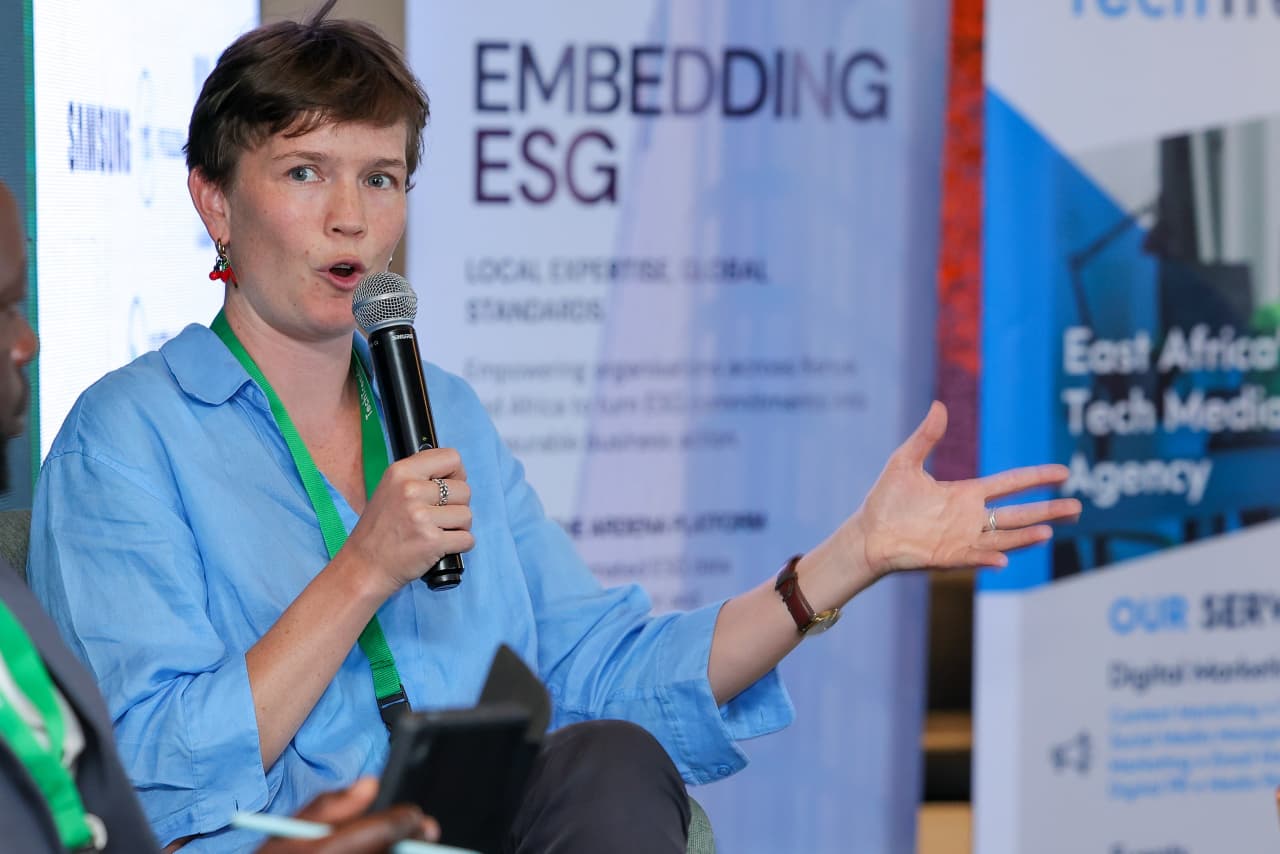
The Green Finance discussion raised another important question: how much attention should sustainable finance give to social priorities alongside environmental investments?
For many Kenyans, affordable healthcare, quality education and accessible infrastructure are immediate economic concerns. Electric vehicles and renewable energy matter, but so does financing solutions that improve livelihoods and expand access to essential services.
Social investments can be harder to assess because some outcomes take years to become visible. Yet that makes credible measurement more important, not less.
Businesses and investors need ways to evaluate whether their investments are improving access, creating employment or delivering better services. The appropriate indicators will differ by sector, but the principle remains the same: commitments should be connected to outcomes that can be assessed over time.
A more balanced approach to sustainable finance would recognise that environmental resilience and social development are connected parts of long-term economic growth.

What businesses should do next
For Kenyan companies, the starting point is not necessarily a longer sustainability report or a more ambitious public announcement. It is a better understanding of the business’s actual performance.
That means identifying the ESG issues most relevant to operations, establishing reliable data collection processes, assigning responsibility across departments and reviewing results regularly.
Companies should also engage suppliers, especially where environmental and social impacts extend beyond their direct operations. Clear expectations and proportionate reporting requirements can help smaller suppliers participate without creating unnecessary administrative burdens.
Finally, sustainability commitments should influence business decisions. Energy efficiency, waste reduction, responsible sourcing and investment in people should be assessed not only as reporting indicators but also as opportunities to manage costs, reduce risk and strengthen long-term competitiveness.
