


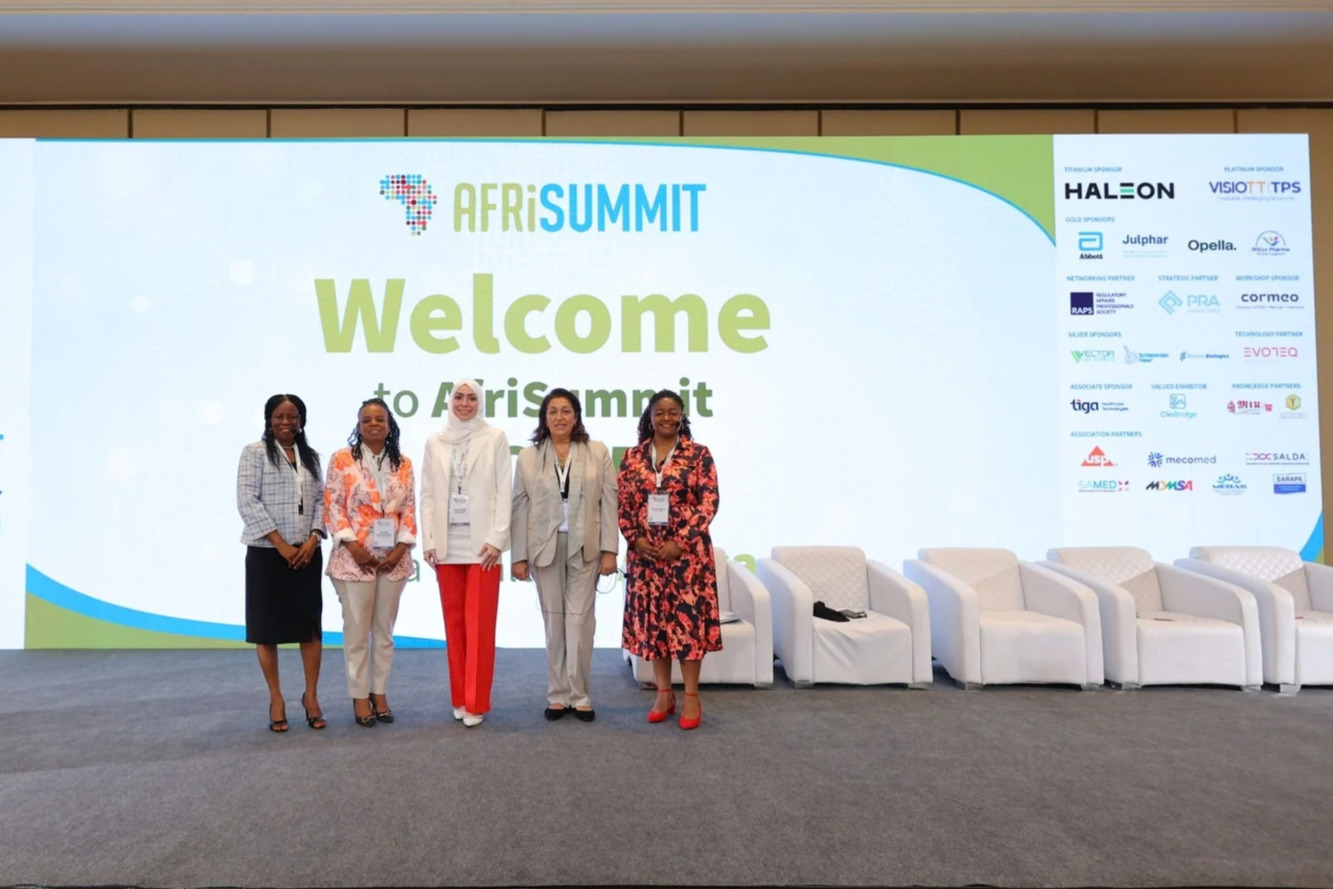
Africa’s largest gathering of pharmaceutical and medical device regulators moves to Nairobi this September, the first time the summit has been held in East Africa since it launched.
AfriSummit 2026, now in its sixth year, runs from September 28 to October 2 at the Emara Ole Sereni Hotel. Kenya’s Ministry of Health hosts the event under the patronage of the Pharmacy and Poisons Board, a shift that follows five prior editions held in Cairo under the patronage of Egypt’s Drug Authority.
Organisers expect more than 16 national regulatory authorities and notified bodies, over 100 speakers and 450 decision makers from more than 25 countries. Those figures sit close to what the 2025 Cairo edition delivered.
| Metric | Cairo, 2025 | Nairobi, 2026 (projected) |
|---|---|---|
| Attendees | 450 plus | 450 plus |
| Speakers | 107 plus | 100 plus |
| Countries represented | 25 plus | 25 plus |
| National regulatory authorities | 14 plus | 16 plus |
Two Summits, One Week
The programme splits into two linked events, as it did in Cairo. PharmaReg AfriSummit runs September 28 to 30, covering pharmaceutical regulation. MedDevReg AfriSummit follows October 1 to 2, focused on medical devices and diagnostics. In Cairo, PharmaReg drew authorities including Egypt’s EDA, South Africa’s SAHPRA, Nigeria’s NAFDAC and Kenya’s own Pharmacy and Poisons Board, while MedDevReg brought many of the same regulators back for device specific sessions. A one day workshop on electronic Common Technical Document submissions runs again in Nairobi, teaching regulatory teams to prepare digital filings in line with international standards.
What Cairo Found, and What Nairobi Must Answer
The clearest finding from Cairo concerned regional harmonisation blocs, the multi country groupings meant to align standards so a product approved in one member state clears faster in the next. A session that mapped each bloc’s progress found medicines regulation years ahead of device regulation across the board.
| Bloc | Focus | Progress | Gap |
|---|---|---|---|
| East African Community MRH | Medicines, expanding to devices | Joint assessments, shared guidelines | Legal misalignment between states |
| West African MRH | Medicines and diagnostics, guidelines drafted | Regional device guidelines in progress | Language barriers, uneven capacity |
| ZAZIBONA | Medicines | Model joint assessment process | Not yet extended to devices |
| SADC Framework | Regional alignment | Supports ZAZIBONA, builds capacity | Needs sharper device focus |
| ECCAS and IGAD | Early stage | Dialogue, coordination | Limited device progress |
The East African Community bloc came out furthest along on extending medicine frameworks to devices, yet still constrained by legal misalignment between member states. Holding the 2026 summit inside that bloc, under the patronage of Kenya’s own regulator, puts that gap in front of the authorities responsible for closing it.
A separate Cairo session quantified the cost of the gap. Device approvals across the continent often take two to three years, a delay presenters linked directly to patients missing timely treatment and to weaker health outcomes region wide. That number is expected to frame device sessions again in Nairobi.
Labelling, Traceability and Counterfeit Products
A MedDevReg session in Cairo catalogued why device labels fail regulatory review, a leading cause of rejection and recall. Causes ranged from missed regulatory updates and translation errors to instructions for use that outgrow their packaging, layout edits that delete or shift text, fonts that change during file conversion, and errors introduced at printing. The session reframed labelling as a supply chain and quality control issue rather than a purely regulatory one.
Supply chain security carried through PharmaReg as well. One presentation gave an update on Egypt’s national track and trace project. Another covered efforts to expand pharmacopeial standards and training access across the continent, reporting reach already established in Egypt, South Africa, Nigeria, Ghana, Algeria, Morocco and Tunisia, with plans to extend into East, West, Southern and Francophone Africa. Substandard and falsified health products remain a named agenda item for Nairobi, this time in a market with its own active counterfeit enforcement infrastructure.
What Regulators Will Discuss in Nairobi
The confirmed 2026 agenda covers the World Health Organization’s Global Benchmarking Tool maturity levels, local pharmaceutical manufacturing, clinical research, harmonisation of regulatory standards, oversight of medical devices and diagnostics, the role of artificial intelligence in regulation, product traceability, and substandard and falsified health products. Every one of those items traces to a specific finding or session from Cairo.
Dr Mona Al Moussli, Chairman of AfriSummit, said African regulatory systems are entering a period focused on local manufacturing and stronger national capacity. She said the summit exists to let regulators and industry discuss those priorities directly.
Dr Najiba Al Shezawy, Co Chairman, pointed to the range of people the event draws as its defining strength. She said the goal is to encourage meaningful exchange and build a more connected regulatory system across the continent.
A Bigger Regional Footprint
Moving the summit into East Africa places it inside a region that Cairo’s own sessions identified as behind on device harmonisation relative to medicines. Hosting the event in Kenya, under the patronage of the Pharmacy and Poisons Board, gives regulators from the East African Community a chance to push that specific unfinished work forward on home ground, rather than as one voice among many at a summit held elsewhere.
AfriSummit’s organisers did not respond to requests for comment beyond the statements included in the announcement. A search of Khusoko’s coverage did not turn up prior reporting on AfriSummit, so this account draws on the official announcement and the summit’s 2025 post event report for context.
Registration and further programme details are available at www.pharmaregafrisummit.com.
