



Kenya’s High Court has nullified the government’s sale of a 15% stake in Safaricom PLC to Vodacom Group, ruling the transaction unconstitutional and ordering the shares restored to the state.
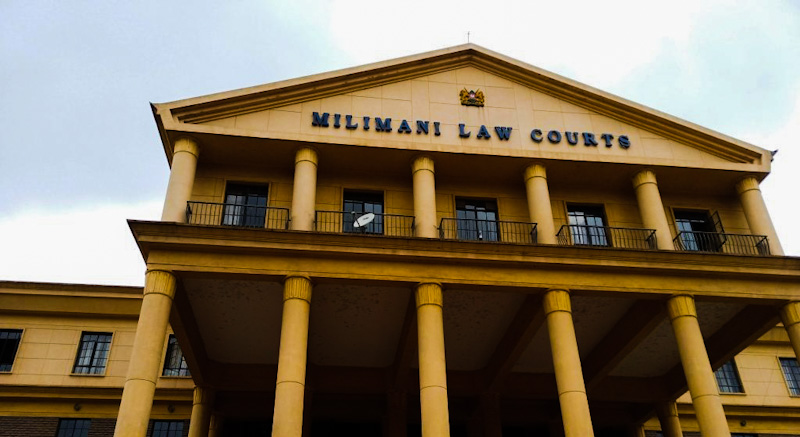
A three judge bench of the Constitutional and Human Rights Division, comprising Justices Francis Gikonyo, Roselyne Aburili and Tabitha Ouya, delivered the 144 page judgment on 15 September, at the end of a case brought by activist Tony Gachoka and Professor Fredrick Ogola and later joined by Wiper Party leader Kalonzo Musyoka.
The judges declared the deal “invalid, null and void” and quashed Sessional Paper No. 3 of 2025, the policy paper that authorised it, along with every approval and agreement tied to the sale.
“We accordingly find that the acquisition, camouflaged as a simple sale and transfer of shares, breached merger control regulations under the Competition Act,” the bench wrote in its judgment.
The Deal The Court Unwound
The government had agreed to sell just over 6 billion Safaricom shares to Vodacom Group, through its local unit Vodafone Kenya, at KES 34 apiece, valuing the stake at KES 204.3 billion. Treasury also collected KES 40.2 billion by selling forward its dividend rights on the shares it kept, bringing the full package to KES 244.5 billion, close to $1.9 billion.
Parliament approved the sale in March. It would have cut the government’s Safaricom shareholding from 35% to 20% while raising Vodacom’s effective stake from just under 40% to 55%, giving the South African group majority control of Kenya’s largest company by market value. The deal closed on 30 June, four days after the Court of Appeal lifted a conservatory order that had frozen it since May, Khusoko reported.
Five Findings Behind The Ruling
The court’s petitioners raised, and the bench upheld, five separate grounds for quashing the transaction.
Public participation, the judges held there was “no reasonable, meaningful and purposive public participation in respect of the divestiture,” in breach of Articles 10 and 118 of the Constitution. Consultation, they wrote, must be “real, purposive and meaningful,” not a procedural formality.
Disclosure, the court found the government “engaged in unexplained obscurity on the identity of the proposed buyer, made misrepresentations and concealed material information” throughout the process, in violation of Article 201.
Intergenerational equity, the bench ruled that trading a profitable, income generating national asset for an upfront payment breaches the constitutional principle that resources be managed fairly across generations, since future Kenyans would forgo dividends the current government has already spent.
The nature of the deal, the judges found it was presented to Cabinet and Parliament as a straightforward share sale when, in substance, it was a merger that handed a single foreign entity majority control. The court declared it “a camouflage merger or acquisition and takeover of Safaricom PLC,” carried out “in contravention of the Constitution and the law,” including the Capital Markets Act and the Competition Act.
On procurement, the bench found that KCB Investment Bank, the transaction advisor Treasury hired to run the sale, “were procured in contravention of Article 227 of the Constitution” and the Public Procurement and Asset Disposal Act, which require open, competitive bidding.
The judges cited the English case Macfoy v United Africa Co in support of their order, quoting Lord Denning’s line that “you cannot put something on nothing and expect it to stay there.” On that basis, they ruled the 15% stake reverts automatically to the Government of Kenya, “on behalf of the people of Kenya,” with no further order needed to undo the sale. Each party was ordered to bear its own costs, the court noting the case was public interest litigation.
Government, Safaricom And Vodacom Respond
Safaricom confirmed the ruling in a notice signed by company secretary Linda Mesa Wambani, stating it “is reviewing the judgment and its implications” and that “further updates will be provided in due course and as appropriate.” The company said operations in Kenya and Ethiopia continue unaffected.
National Treasury Cabinet Secretary John Mbadi said the government remains confident the transaction was lawful and complied with public participation requirements, and confirmed Treasury will appeal. The government filed a formal notice of appeal on 16 September. Separate reports indicate the Attorney General’s office, led by Dorcas Oduor, has begun preparing that appeal.
Vodacom told the Johannesburg Stock Exchange it will file its own appeal and apply for a stay of the judgment pending its outcome. Vodacom shares fell nearly 4% in Johannesburg before paring losses, while Safaricom shares gained on the Nairobi Securities Exchange following the ruling.
What Happens Next
The judgment stands unless the Court of Appeal grants a stay. Until then, the 15% stake reverts to the state on paper, while Safaricom, Vodacom and Treasury work through the practical steps of reversing share transfers, board changes and consolidated accounting that followed the June closing, details Khusoko has tracked since the deal was first announced. The ruling also complicates President William Ruto’s wider plan to fund a roughly $39 billion infrastructure programme partly through state asset sales, of which the Safaricom stake was the largest single piece.
Both the government and Vodacom have signalled they intend to fight the ruling at the Court of Appeal.
