



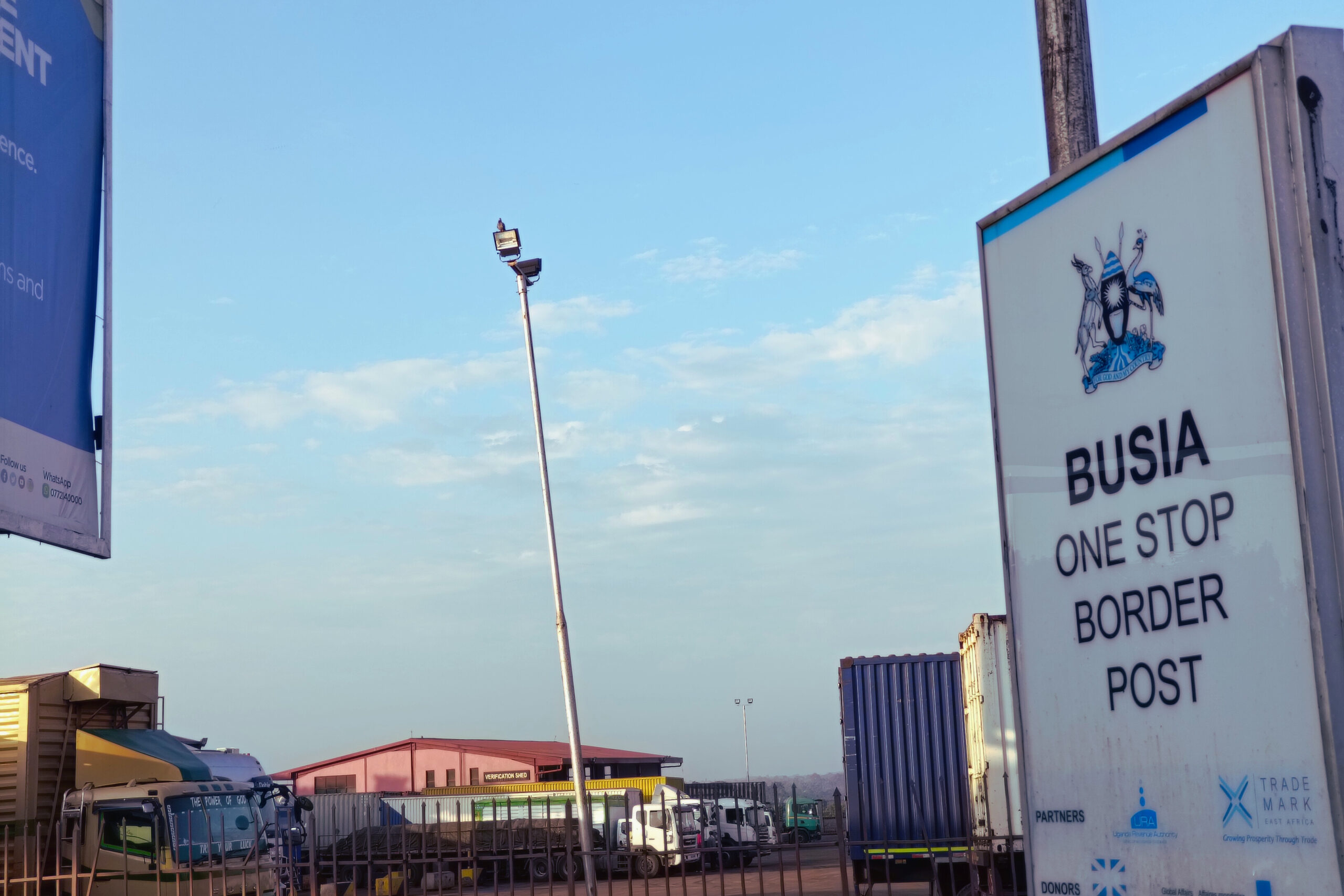
Kenya’s informal trade with its neighbours slipped into a deficit for the first time in the two survey cycles, as weaker agricultural harvests curbed both exports and cross-border market activity, new government data shows.
The Kenya National Bureau of Statistics (KNBS) reports that the total volume of unrecorded trade at thirteen border points shared with Uganda, Tanzania, Ethiopia and Somalia fell 16.7 percent, from Ksh 299 million in December 2024 to Ksh 249.1 million in June 2025. The figures cover two separate 14 day survey windows, one in each reference month, rather than a full calendar year.
The 2025 Informal Cross Border Trade Report attributes the slowdown mainly to seasonal dips in agricultural output and thinner activity in border markets.
Exports Fall Faster Than Imports
Receipts from informal exports dropped 22.3 percent to Ksh 124 million in the June 2025 cycle, while spending on informal imports eased by a smaller 10.2 percent to Ksh 125.1 million.
That uneven decline flipped Kenya’s informal trade position. In December 2024, exports of Ksh 159.7 million against imports of Ksh 139.3 million produced a surplus of Ksh 20.4 million. By June 2025, the balance had swung to a deficit of Ksh 1.1 million.
“This resulted in a 16.7 percent contraction in the total volume of informal trade from Ksh 299 million to Ksh 249.1 million, and a shift of informal trade balance from a surplus to a deficit of Ksh 1.1 million over the two reference periods,” KNBS said.
| Indicator | December 2024 | June 2025 | Change |
|---|---|---|---|
| Informal exports | Ksh 159.7 million | Ksh 124.0 million | -22.3% |
| Informal imports | Ksh 139.3 million | Ksh 125.1 million | -10.2% |
| Trade volume | Ksh 299.0 million | Ksh 249.1 million | -16.7% |
| Trade balance | +Ksh 20.4 million | -Ksh 1.1 million | Swing to deficit |
Figures are cumulative for the 14 day data collection window in each reference month. Source: KNBS.
How Cross-Border Financial Identity Will Transform African Credit
Food And Live Animals Dominate The Trade
Food items and live animals remained the backbone of informal trade throughout the year. By June 2025, the category made up 37.9 percent of informal exports and 78.5 percent of informal imports, up sharply from 28.3 percent and 67.3 percent respectively in December 2024.
The shift shows how much cross-border food trade props up local diets and household incomes in border communities, a pattern Khusoko has tracked as regional corridors evolve.
Ethiopia and Uganda stayed Kenya’s biggest markets for informal exports across both cycles. On the import side, the picture shifted. Ethiopia supplied 36.1 percent of Kenya’s informal imports in December 2024, ahead of Uganda at 31.7 percent. By June 2025, Tanzania had overtaken both, contributing 47.2 percent of informal imports, mostly food and live animals.
“Ethiopia and Uganda were the leading destinations for informal exports, while Tanzania was the main source of informal imports,” KNBS noted. “In June 2025, Tanzania overtook all other countries as the top source of informal imports, contributing 47.2 percent, mainly consisting of food and live animals.”
Moyale Retains Its Lead Despite Slower Exports
Moyale border station stayed the busiest corridor for informal exports even as volumes cooled. Exports through the crossing fell to Ksh 51.9 million in June 2025 from Ksh 63.8 million in December 2024.
Suam and Mandera on the Ethiopian side emerged as the next busiest export routes. On imports, Namanga, Malaba and Isebania handled the bulk of goods entering Kenya informally.
“Suam and Mandera (Ethiopia) border stations emerged as key alternative routes, while Namanga, Malaba, and Isebania were the main entry points for informal imports,” the bureau said.
Men And Motorbikes Dominate Border Crossings
Men accounted for 79.7 percent of informal traders interviewed at the borders, up from 77.2 percent in the earlier cycle, reinforcing how male dominated the sector remains despite women forming a large share of small traders in other regional studies. Motorbikes stayed the transport of choice, used by more traders than any other means, followed by head and hand carriage and bicycles.
The survey covered Busia, Malaba, Suam and Lwakhakha on the Uganda border; Isebania, Namanga, Taveta, Lunga Lunga and Loitokitok on the Tanzania border; Moyale, Mandera and Rhamu on the Ethiopia border; and Mandera Border Point 1 on the Somalia border.
Despite the pullback, informal trade continues to fill a real gap in Kenya’s official trade statistics. KRA’s customs data does not capture the small consignments moving through border markets, yet these flows shape food security and incomes for thousands of households along Kenya’s frontier. KNBS says it will keep tracking these routes to refine estimates feeding into the country’s balance of payments and national accounts.
AfCFTA Selects Kenya, Morocco and Nigeria to Launch Digital Trade Infrastructure
