



Kenya’s annual inflation cooled for the first time in three months, slipping to 6.4% in June 2026 from 6.7% in May, as softer food and energy costs took some pressure off household budgets, the Kenya National Bureau of Statistics reported.
The reading keeps price growth within the Central Bank of Kenya’s target band of 2.5% to 7.5%, though it still sits above the bank’s preferred midpoint of 5.0%. Month on month, prices rose 0.2%, pushing the Consumer Price Index to 154.91 from 154.56 in May.
Why The Central Bank Held Rates Steady
The Monetary Policy Committee left the Central Bank Rate unchanged at 8.75% last month, arguing that current policy remains appropriate. The committee’s reasoning centres on where the inflation is coming from: imported supply shocks rather than a surge in domestic spending.
CBK has repeatedly pointed to higher global oil prices, elevated transport costs and disruptions in the supply chains that move fuel and fertiliser into Kenya as the main forces behind recent price pressure, rather than excess demand at home. That distinction matters for policy. A rate hike does little to calm prices driven by events overseas, which is why the bank chose to hold rather than tighten.
Transport And Food Keep Squeezing Households
Transport remains the sharpest driver of inflation, with prices climbing 16.1% over the past year. Food and Non-Alcoholic Beverages rose 8.6%, while Housing, Water, Electricity, Gas and Other Fuels increased 3.4%. Together, these three categories make up more than 57% of the CPI basket.
On a monthly basis, the increases were smaller and more scattered. Furnishings, Household Equipment and Routine Household Maintenance rose 0.5%, Health climbed 0.4%, and Food and Transport each added 0.3%. Housing costs actually fell 0.1% for the month, offering some relief.
One data point stands out beyond the official categories: matatu fares on the Bungoma to Kabula route jumped 42.9% in a single month, a reminder that transport inflation lands unevenly depending on where you live and which route you depend on.
What Got Cheaper And What Got Costlier
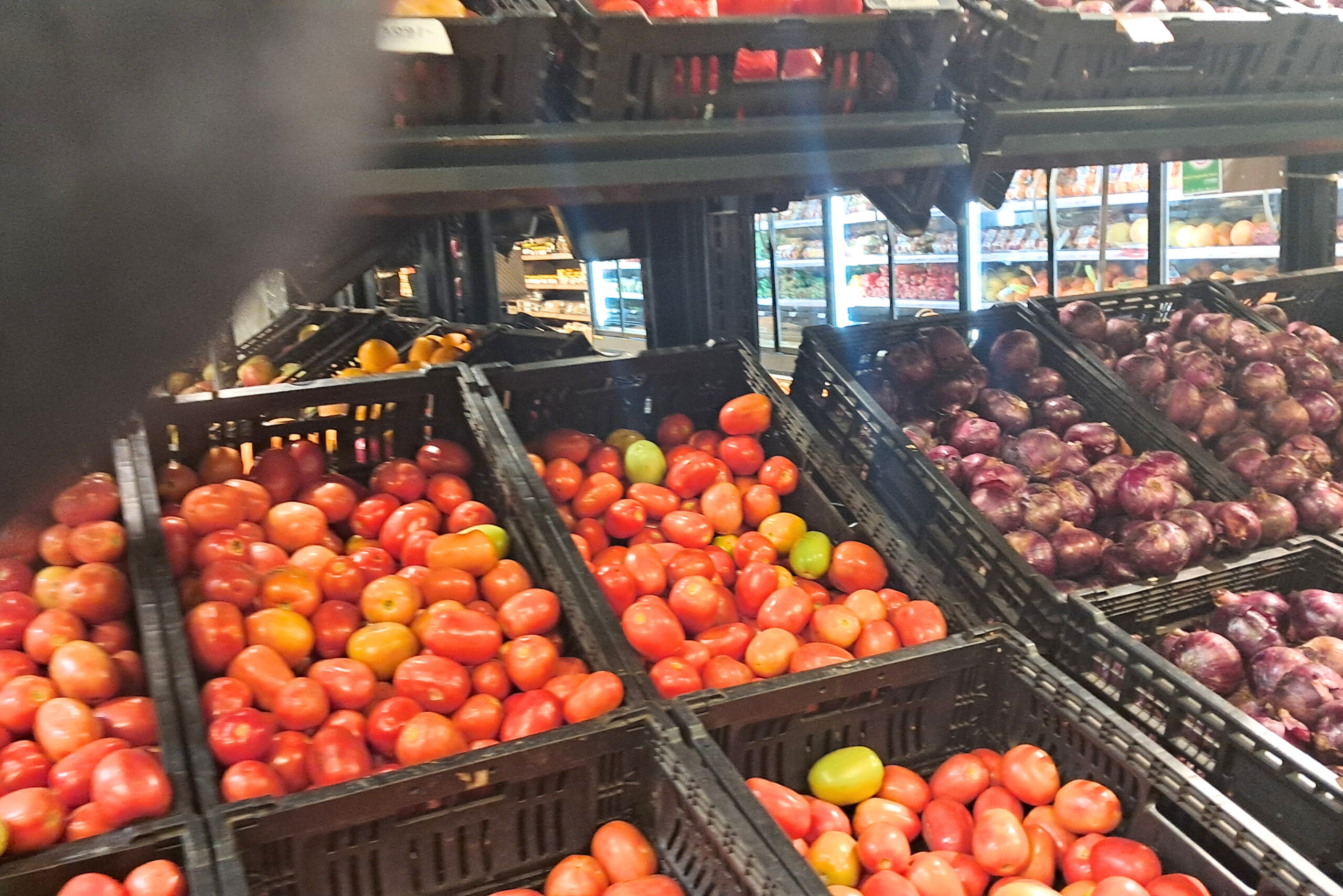
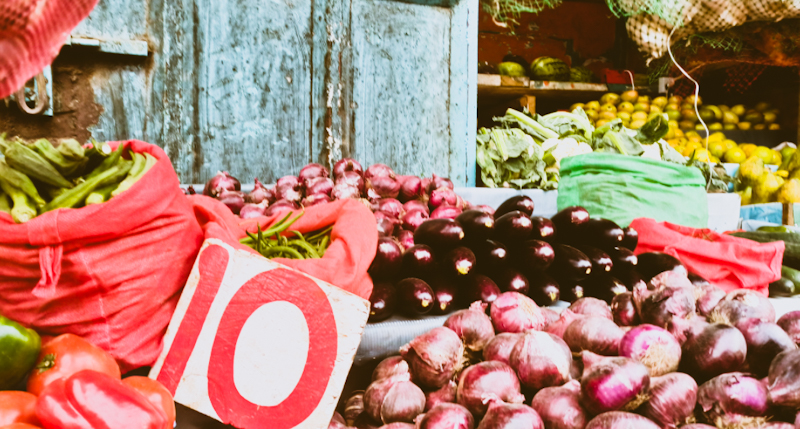
At the market, the picture stayed mixed. Kale prices climbed 4.0%, spinach rose 3.1% and maize grain gained 1.2%. Tomatoes moved the other way, falling 2.4%, while green grams dropped 1.0% and beans eased 0.5%.
Energy costs offered a bigger cushion. Diesel prices fell 4.3% in Nairobi, and electricity tariffs dropped by roughly 1% for both 50 kWh and 200 kWh consumers. Those declines helped offset some of the pressure building elsewhere in the basket.
Core Inflation Points To A Calmer Underlying Trend
Core inflation, which strips out volatile food and energy prices to reveal the underlying trend, eased to 3.1% in June from 3.2% in May. Non-core inflation, the more volatile half of the basket, slowed to 15.1% from 16.0%. Both measures moving in the same direction suggests the June slowdown reflects more than a one-month blip.
NCBA’s Read: A Softer Path Through Q3
NCBA Market Research attributed June’s slower pace largely to food.
“General prices increased much slower in June relative to May following a tamer rise in food prices, while energy and transport costs escalated marginally”, the bank said in a note, adding that “annual headline inflation printed at 6.4% in June relative to 6.7% in May, while month-on-month, the consumer price index increased by 0.2%.”
On food, NCBA flagged the same vegetable price swings visible in the KNBS data, tomatoes up 40.5% year on year, kale up 26.6%, cabbages up 25.3%, potatoes up 23.2% and spinach up 19.4%, and framed the run up as temporary. The bank expects relief once “short-term crops replanted in April will get to the market around August.”
NCBA cited annual transport inflation of 16.5%, slightly above the 16.1% KNBS reported. The gap is small enough to reflect rounding or a difference in reference dates between the two analyses rather than a genuine disagreement on the trend.

They also linked the electricity price drop to rainfall rather than policy, noting “electricity prices declined by about 3.8% following higher hydroelectricity generation from decent rainfall.” On core inflation, the bank cautioned against reading too much into the small dip, calling it “a countermovement to the sharp increase in the previous month rather than a change in underlying price pressures.” khusokokhusoko
Looking ahead, NCBA’s base case, assigned a 60% probability, rests on easing global oil markets. The bank expects ongoing talks between Iran and the United States to progress toward a broader agreement, alongside a holding ceasefire between Israel and Lebanon and Gulf producers shifting more crude exports to pipelines. Combined, those factors could keep Brent crude near $70 a barrel on average. Locally, NCBA expects vegetable and fruit prices to fall in the coming months, which would pull headline inflation down to a range of 6.0% to 6.5% in the third quarter of 2026.
Kenya’s Inflation Trend In 2026
| Month | CPI | Headline Inflation | Core Inflation | Non-Core Inflation |
|---|---|---|---|---|
| January 2026 | 148.96 | 4.4% | 2.2% | 10.3% |
| February 2026 | 149.20 | 4.3% | 2.1% | 10.1% |
| March 2026 | 150.00 | 4.4% | 2.1% | 10.8% |
| April 2026 | 152.15 | 5.6% | 2.8% | 13.4% |
| May 2026 | 154.56 | 6.7% | 3.2% | 16.0% |
| June 2026 | 154.91 | 6.4% | 3.1% | 15.1% |
Inflation held near 4.3% to 4.4% through the first quarter, then accelerated sharply from April onward as transport and food costs took hold, peaking in May before easing back in June. Whether that peak marks the top of the cycle depends largely on how quickly the new vegetable harvest reaches market and how global oil prices move over the next quarter. For now, Kenyan households get a small reprieve, even as transport and food costs continue to carry more weight in the monthly shop than they did a year ago.
