


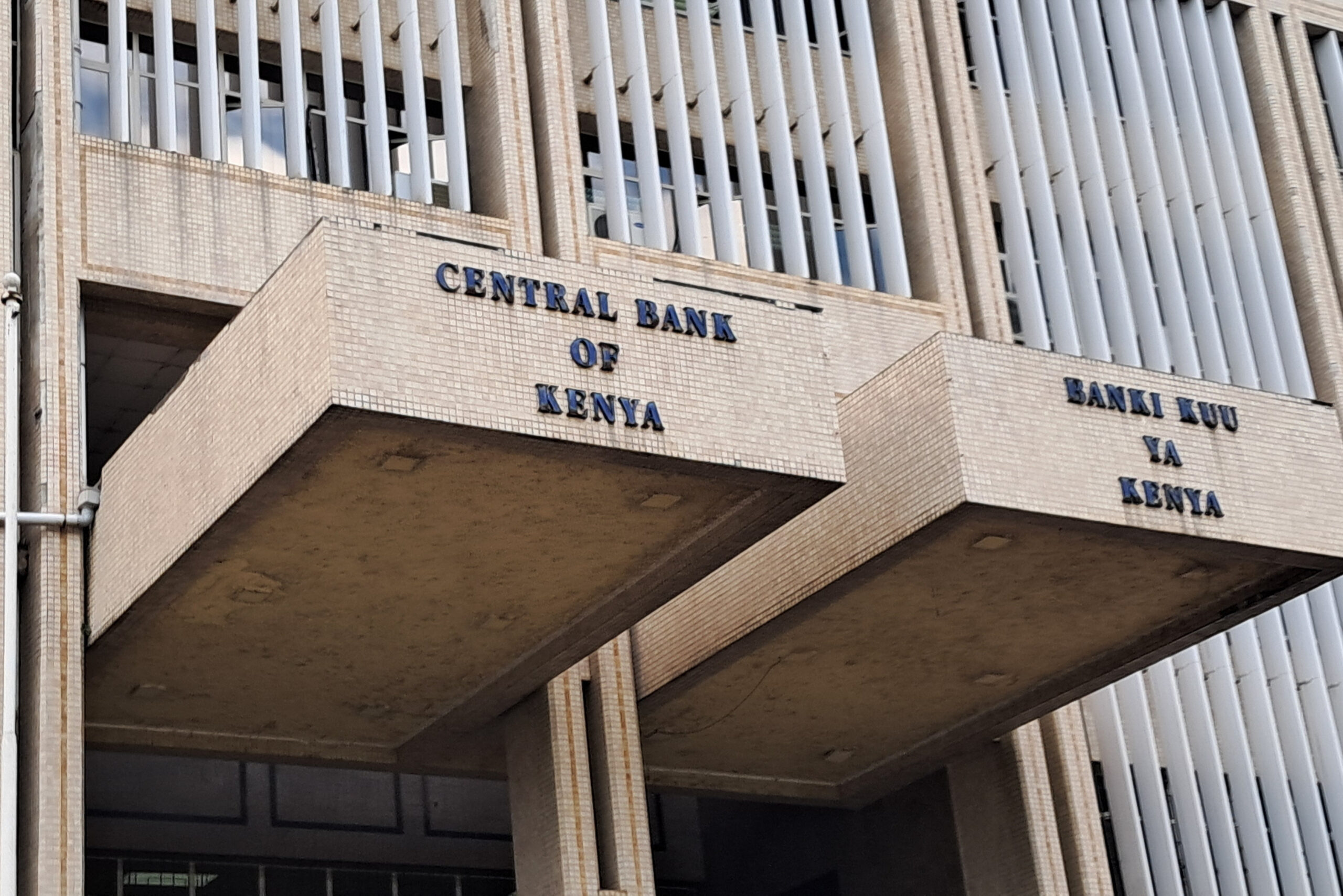
Kenya’s Central Bank held its benchmark lending rate unchanged on Tuesday, choosing to stand still as inflation climbed to its highest level in more than two years and the private sector showed signs of deepening strain.
The Monetary Policy Committee, chaired by CBK Governor Dr. Kamau Thugge, maintained the Central Bank Rate at 8.75% at its June 9, 2026 meeting. The decision ends a rate-cutting cycle that delivered 10 consecutive reductions totalling 425 basis points since August 2024. The MPC last cut in February 2026, lowering the rate by 25 basis points to stimulate private sector credit. That cut now looks like the last one for some time.
Inflation at 6.7%: What Drove the Jump
Kenya’s inflation accelerated to 6.7% in May 2026 from 5.6% in April, reaching its highest level since early 2024. Transport costs surged to 16.5% from 10% in April, triggered by fuel price increases across both months. Petrol prices rose 8.4% between April and May, diesel recorded the steepest climb at 18.4%, and city bus and matatu fares jumped 25% — the sharpest increase in the core basket. Non-core inflation, driven by volatile supply-side factors including international oil prices, reached 16.0%.
Core inflation, which strips out food and energy, rose to 3.2% in May from 2.8% in April, confirming that inflationary pressure remains concentrated in energy and transport rather than embedded across the broader economy. The reading sits within the CBK’s 5±2.5% target band, but at the upper edge.
The thread connecting every number in the MPC statement runs through the same source: the conflict in the Middle East, which has disrupted global supply chains, pushed up energy prices and transportation costs, and weakened the global growth outlook.
The Dissenting View: KBA Calls for a Hike
Not everyone agreed that holding was the right call. The Kenya Bankers Association Centre for Research on Financial Markets and Policy, in Research Note No. 3 of 2026 published ahead of Tuesday’s meeting, argued that the MPC should have moved rates upward. The Centre warned that inflationary pressures had “re-emerged from oil supply shock, triggering expectations of higher price rises from the shock’s second-round effects,” and concluded that “a timely upward adjustment of the Central Bank Rate will effectively anchor inflation expectations and support price stability in the medium term.”
The KBA note flagged four interconnected risks: rising second-round inflation effects from fuel costs, weakening economic growth, constrained credit recovery, and a shilling vulnerable to an expanding import bill. On the exchange rate, the Centre noted that while the shilling has been stable at approximately KSh129.45 per US dollar — supported by USD 13.2 billion in official reserves — it faces headwinds from a widening current account deficit driven by oil-related import costs.
NCBA: Hold, Monitor, and Wait
NCBA’s Economics and Research desk took the opposing view. The bank’s pre-MPC note described the committee as “navigating a cocktail of weaker growth prospects and higher inflation due to the adverse oil supply shock,” and concluded that a rate hike “would be premature, particularly given that inflation is rising but not yet evidently out of control and the local currency remains fairly anchored.”
On growth, NCBA raised a pointed concern: the bank projected private sector credit growth to average around 7% in 2026, well below the MPC’s own target of 10.6%, with activity concentrated in consumer loans and short-term working capital rather than productive investment. Further tightening, NCBA argued, would risk deepening the slowdown.
The Private Sector Under Pressure
The PMI reinforces that concern. Kenya’s Stanbic Bank PMI fell to 46.6 in May 2026 from 49.4 in April — a third consecutive month below the neutral 50.0 threshold — driven by lower new orders, weak demand, cash flow concerns and rising input costs. Employment fell for the first time in 16 months.
The MPC also revised Kenya’s 2026 growth projection to 4.9%, down from 5.3% previously and sharply below February’s forecast of 5.5%. Global growth now projects at 3.1% in 2026, down from 3.4% in 2025.
CBK foreign exchange reserves stood at USD 13,203 million, equivalent to 5.6 months of import cover — comfortably above the statutory minimum of four months.
What Comes Next
The MPC will meet again in August 2026. CBK data shows international oil prices eased during the week ending June 4, with Murban crude falling to $87.38 per barrel from $88.48, on renewed optimism over US-Iran peace negotiations. If those negotiations hold, the case for a hike weakens. If they unravel, the KBA’s argument may return with greater force.
