


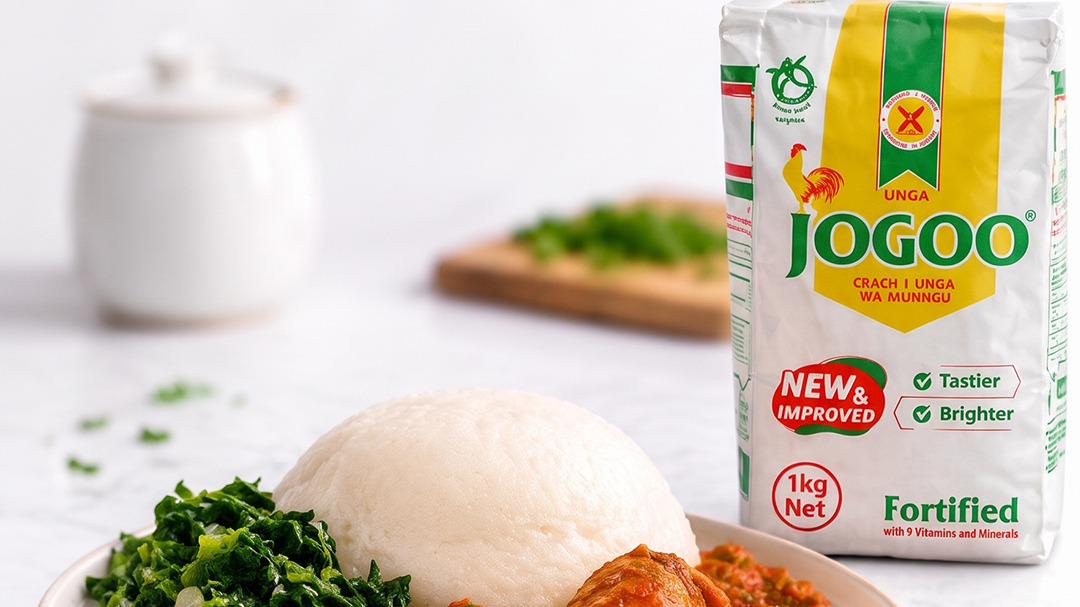
Unga Group sells flour under the Jogoo, Pendo and EXE names. It now wants to know where the grain behind each bag comes from.
The miller says it will map farmers, production areas, aggregation points and sourcing locations, a first step towards tracing local grain to individual farmers. It also says it will stop treating price as its only competitive lever.
Both statements sit in its 2026 Integrated Report for the year ended 30 June 2026, and they connect. Tactical pricing pulled volume into the mills. The sourcing work protects the grain that volume depends on.
Unga competes on price without leading with it
Human Nutrition sells to households with tight budgets. Animal Nutrition sells to farmers who weigh the price of feed against the results it delivers. The report states the position plainly: “price remains an unavoidable part of competition.”
Chairperson Isabella Ochola-Wilson wrote that Unga “cannot compete on price alone.” She listed what the business must win on: value, quality, nutrition, availability, innovation and trust.
Unga avoided broad price cuts and used tactical pricing and promotions where they made sense. The report names the risk on each side. Set prices too high and volume falls, which leaves a plant with too little throughput to cover its costs. Set them too low, or lean on discounts, and volume rises without adding enough value. Commercial, Supply Chain, Production and Finance teams now review sourcing costs, plant yields, selling prices and margin targets together to find price points that protect margin.
The results followed. Human Nutrition grew volumes and cut its loss by 69%, while it kept market share. Animal Nutrition grew volume and share. Across the group, Unga reported net profit of KSh404.56 million, up 82.2%, on revenue of KSh30.45 billion, up 16.5%.
Group Managing Director James Nyutu gave the wider figures. Sales volumes rose 16%, and profit before tax rose 118% to Shs 744 million. Gross margin fell to 9.3% from 9.6%.
He also wrote that “performance was below our internal ambitions in certain areas.” Human Nutrition stayed below budget, hit by competitive pricing, maize inventory bought at higher cost, gaps in product availability, weak consumer spending and pressure from modern trade. Margin recovery now depends on procurement, product mix and pricing discipline.
Pendo takes the value shelf so EXE can hold its price
Unga gives each brand a separate job. EXE stays the heritage brand, built on consumer trust and quality credentials. Jogoo stays the family staple. Pendo takes the value segment. Fugo is being developed into a farm solutions brand, and the report says Unga wants it to become a go to provider for farmers.
The pairing of Pendo and EXE shows the logic. EXE had been competing against lower priced products in a market where affordability drives many purchases. Matching those prices across the board would have weakened its premium position and margins. Pendo lets Unga compete for price sensitive shoppers while EXE keeps its place.
Pendo earns less margin per unit than EXE, but management confirms it does not lose money. The logic is arithmetic. More wheat flowing through the mill can raise total shilling margin even when each bag earns less. The report calls this the difference between margin percentage and total margin contribution.
The report gives the portfolio three missions: protect premium value, recruit price conscious shoppers to defend volume and share, and open paths into new categories and convenience foods. FY2026 focused on protecting volumes, defending position and restoring profit. The next phase, it says, is to create demand and steer growth towards products that add more to profit.
Unga maps its supply network before it traces grain
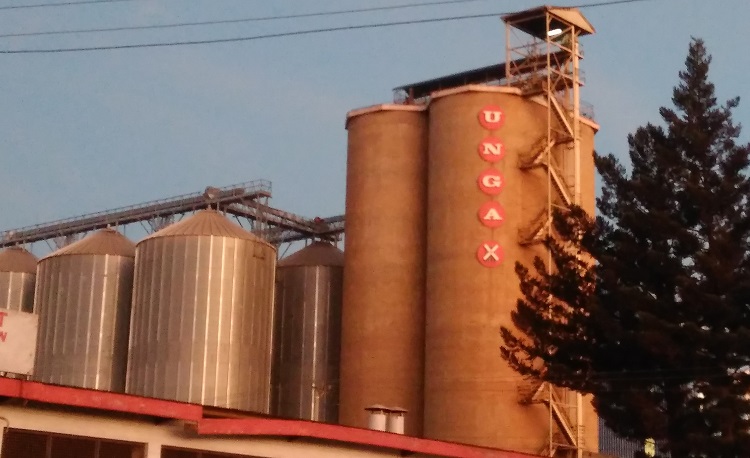
The report admits Unga has not yet traced grain to individual farmers across its local sourcing. The first task is “understanding the network itself.” The group is exploring a map of farmers, production areas, aggregation points and sourcing locations, to show where locally bought grain starts and how it reaches the plants.
It plans to link that data in five steps:
- Farmer or production area
- Collection or aggregation point
- Source and quality information
- Aggregated volume
- Plant delivery
The report lists three uses for such a system: targeted farmer and supplier development, quality investigations, and faster response when a food safety concern arises. Scale is the obstacle. Unga buys from many farmers, intermediaries and collection points, so the build will be gradual. Until it is complete, testing raw material against set specifications stays the main quality check.
Testing moves from the plant gate to the farm gate
The old method carried a cost. About 18% of maize deliveries were rejected for quality reasons in FY2026. By the time a truck is turned away, the freight is spent, transport capacity is used and production plans may fall short of grain.
Unga now samples and tests grain at farms, stores and other sourcing points before dispatch, and checks moisture and aflatoxin. It holds aggregators closer to the agreed specifications. The report describes the aim as a chain that works to “prevent quality failures as early as possible,” with procurement, quality and production teams planning requirements together.
Unga has also moved milling closer to supply. A farm to gate maize collection model in Eldoret shortened inbound distances, bought grain nearer to farmers and cut maize input costs by about 3%. A collateral management programme with aggregators lets Unga secure physical grain when supply and prices suit it, instead of buying in a squeeze. The report adds a limit: this is not a move to buy only at home. Imports stay where local supply, season or market conditions require them.
The same risk runs across Kenya’s mills. Millers have invested over KSh1 million in aflatoxin testing equipment to meet Kenya Bureau of Standards rules. Industry leaders told The Star in April 2026 that the next phase depends on real time data and traceability across the value chain, not isolated testing.
What it means for farmers
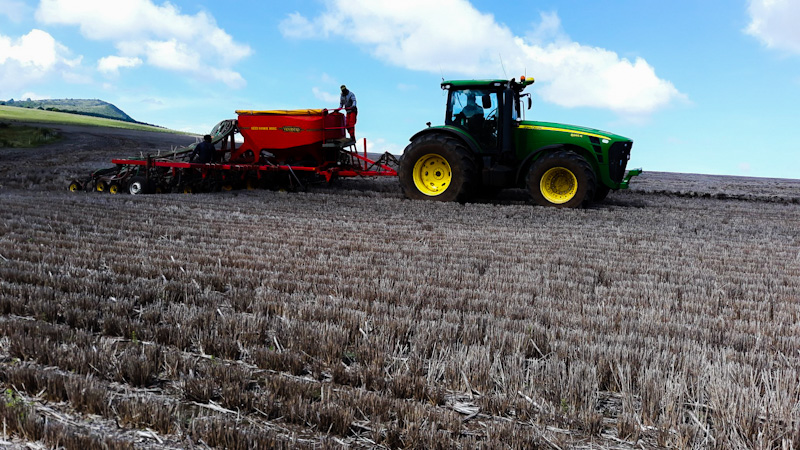
Farmers who sell grain. A farmer whose grain fails a test can be traced and advised. A farmer outside the map stays unknown to the mill. Unga is also building relationships with farmers, cooperatives and their agents around assured offtake of grain that meets specification. That gives a participating farmer a known buyer for compliant grain, and it gives Unga early sight of volumes and quality. The Chairman’s statement says local sourcing covers pulses, rice, maize and soybeans under structured off take agreements. Engagement covers harvesting, drying, handling and storage, the steps that decide post harvest losses and whether grain passes.
Aggregators and traders. Collection points sit at step two of the chain. Unga holds aggregators to moisture and aflatoxin specifications and uses them to carry requirements to farmers, report back on delivered grain and address repeat quality problems. Aggregators who record volumes and quality at the point of purchase fit the system. Others may find buyers asking for the data.
Wheat growers. Kenya produces a small share of the wheat it uses. The Cereal Millers Association says local farmers supply about 7% of the 24 million bags consumed each year. Pendo’s growth adds to wheat volumes at the mill. Traceability could show how much of that wheat is local, though the report does not say Unga will buy more of it.
Maize growers. Aflatoxin is the main grain safety risk. Source records let a mill trace a failed lot to where it was bought, so the seller gets an answer and not only a rejection. Murang’a County and Capwell Industries have signed an agreementunder the Kenya Association of Manufacturers’ Agriculture for Industry programme that lists traceability as a goal.
Feed and livestock farmers. Animal Nutrition customers compare the price of feed with its performance. Unga says it grew volume and share there. Training programmes reached more than 150,000 farmers in the year, covering farm management, feed formulation, animal nutrition and sustainable practice. Fugo Smart, the digital animal nutrition platform, has 3,584 registered users who receive husbandry guidance and feeding schedules. Management admits Unga has not communicated its quality, performance and heritage credentials as strongly as it could. For Farmcare, the report says the question shifts from “What does this bag cost?” to what value the product and service create for the farmer.
Earlier partnerships. Khusoko reported that Unga Group and Nutreco closed a joint venture in animal nutrition. Then Group Managing Director Joseph Malel Choge said Unga was “thrilled” to move a long supplier relationship to a new level.
