



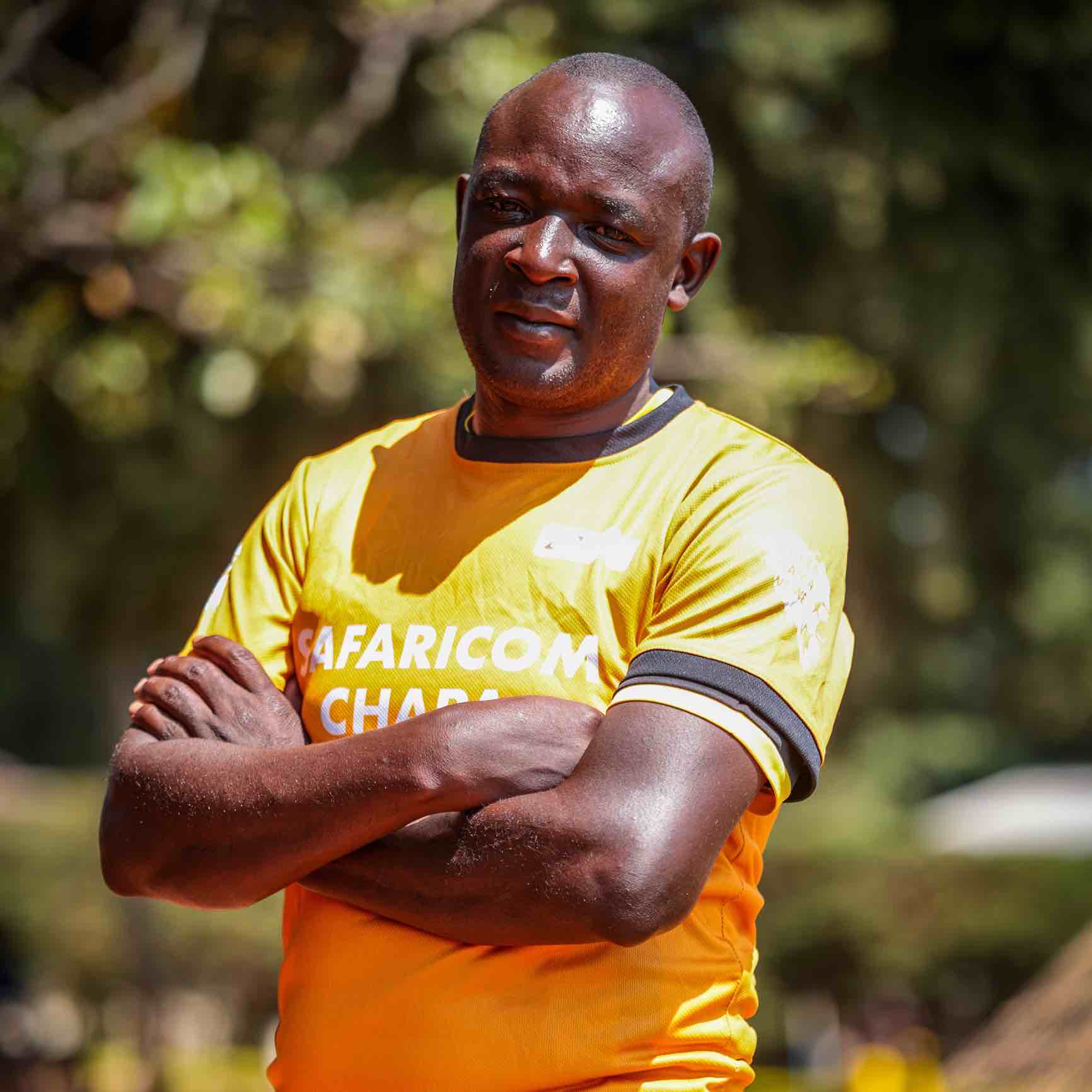
Coach Francis Muhambe measures football success by what happens to players after they leave his teams.
Known as Franco, he teaches Kiswahili and History at Vihiga High School in Vihiga County and coaches the school team, Vihiga Cranes. Four players linked to his coaching journey joined the Safaricom Chapa Dimba All Stars squad that travelled to Spain in 2025.
Franco holds that football gives young people, particularly those from disadvantaged backgrounds, routes to education, professional careers and better livelihoods. “I get satisfaction when I see my players grow and watch them on television, either playing for local clubs, the national team or international clubs,” he says. “What matters to me is what happens to the player and how far they go.”
Francis Muhambe Began Coaching As A Student At Kilingili Secondary School
At Kilingili Secondary School, the principal also coached the team. When he was absent, Franco organised training and led classmates in inter class matches. His teams won several matches and he earned the nickname “Kochare”, taken from the word coach.
“At home, I was known as ‘Captain Fantastic’ for my ability to organise teams, select players and make tactical decisions,” says Franco.
His father wanted him to concentrate on his studies. His uncle, Andrew Opati, recognised his passion for football and persuaded his father to support him.
Franco then taught himself the game. He sometimes cycled between 23 and 30 kilometres from Vihiga to Kisumu to watch training at Moi Stadium. He took his lead from Arsène Wenger, the former Arsenal manager, who stressed technical development from an early age. “That philosophy shaped my approach to coaching,” says the coach.
At Valley Strikers in Vihiga, he introduced football built on possession, accurate passing and ball control. The style drew comparisons with Spanish club Barcelona and led the team to change its name.
Franco’s Teams Have Reached East African And National School Games
Franco has coached Olbolosat Secondary School and Ol Joro Orok Secondary School in Nyandarua County, Luanda Villas, Madira Soccer Assassins, Ebwali Boys Secondary School and Nyamira Girls in Bondo.
At Olbolosat, he took the team to the East Africa Secondary Schools Sports Association Games in 2018. At Ebwali Boys, he reached the national secondary school games in 2019. He has also won in local tournaments, Talanta Hela competitions, school games and Safaricom Chapa Dimba.
Ebwali Boys Won The 2023 Western Regional Chapa Dimba Title Under Franco
Safaricom Chapa Dimba is a national tournament for boys and girls aged 16 to 20. Safaricom runs it as a grassroots development platform. Khusoko followed the 2023 season from county to regional level.
Franco led Ebwali Boys through the Vihiga county finals, where the team beat Bunyore Assassins on penalties at Mumboha Stadium in Luanda. The win earned Ksh75,000 and a place in the Western regional finals. Madira Girls took the girls’ category the same day.
In the regional final, Ebwali Boys beat Compel Sportif of Bungoma 1 to 0. Austin Odongo scored the only goal with a header from a free kick in the 47th minute. The result secured a place in the national finals in Kisumu.
Franco also guided Madira Soccer Assassins towards the Western Regional finals. The girls’ team could not take part because of a clash with school games in Rwanda.
After moving to Vihiga High School, Franco built Vihiga Cranes from scratch. He recruited and developed the players, then entered the team in Chapa Dimba. The side beat his former team, Ebwali Boys, in the county finals and advanced to the regional stage. He has also guided Nyamira Girls to the Siaya County title.
Players He Coached Have Reached Clubs, Harambee Stars And US Scholarships
Franco names Harambee Stars players Austin Odongo and Derrick Okech. Harambee Stars is Kenya’s national men’s team. He also names Justice Munika of Shabana FC and Valerie Nekesa, who has represented Kenya and played for Spanish side CD Tenerife Femenino. Jane Hatto and Rebecca Kwoba have pursued football and scholarship opportunities in the United States.
For Franco, these careers show how grassroots football connects talented young people with opportunities they might otherwise struggle to reach.
How Does Franco Scout And Train Players?
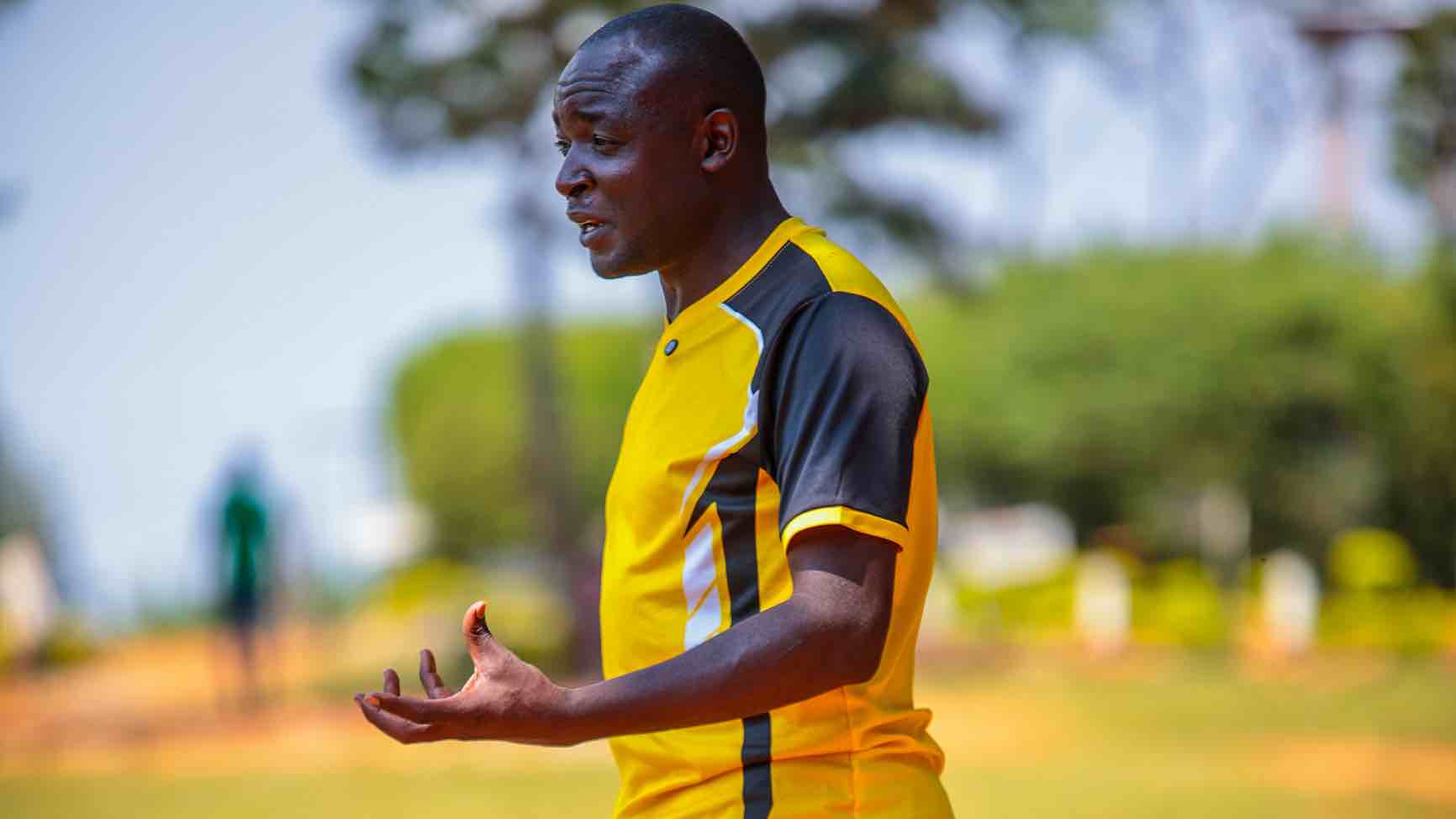
Franco teaches technique first. Players learn to control and manipulate the ball, then gain tactical awareness, then build conditioning for competition.
“I believe I cannot work on the physical aspect of a player without first working on their technical ability,” he explains. “Most of the boys and girls I get are not necessarily gifted from the beginning; they are players I have to mentor.”
He scouts at local matches in Khwisero, Vihiga and Lugari, looking for players with potential and little exposure. He watches a player several times before deciding. He may invite candidates to train with his team for two to three weeks, which lets him assess consistency, response to coaching and teamwork.
He also trained formally. Former Luanda MP Chris Omulele sponsored his Confederation of African Football (CAF) D coaching course. Franco moved on to CAF C training in 2023, after his success with Madira Soccer Assassins.
Discipline Applies On The Pitch And In The Classroom
Franco expects players to balance football with academic work. They must understand the different roles of student, teammate and competitor.
“Sometimes you are their father figure, sometimes you are playing and laughing with them, but the next morning you may have to discipline them for reporting late for morning preparations,” he says. “They must understand when Franco is their teacher, when he is their coach and when it is time to celebrate as a team.”
His training covers teamwork, responsibility and respect. “You do not just want to produce a player who can score goals but cannot live well with other people,” he says. “Teamwork on the pitch is closely connected to how we live with others in society.”
Transport, Facilities And Equipment Limit Grassroots Teams
Franco faces the limits common to grassroots football: few facilities, too little equipment and the cost of moving players to matches. These costs keep teams from friendly games and competition, which limits the exposure players get.
He credits Vihiga High School’s management for sustaining his work. He says more resources and stronger development structures would help more young players progress.
Franco Plans An Academy For Players Under 13 And Under 15
Franco wants to open a football academy for children under 13 and under 15. It would give structured early training, identify promising players and prepare them for professional clubs and other institutions. Registration and logistical requirements remain obstacles. His longer term goal is to become a certified professional coach and strengthen grassroots development in Kenya.
“God gives a player talent, but when that player comes into your hands, you must understand that you have a responsibility to help them grow,” he says. “If a player becomes a professional, earns a living through football and is able to support themselves and their family, then I believe I have succeeded.”
That measure drives his coaching, his push for certification and his plan for an academy.
