


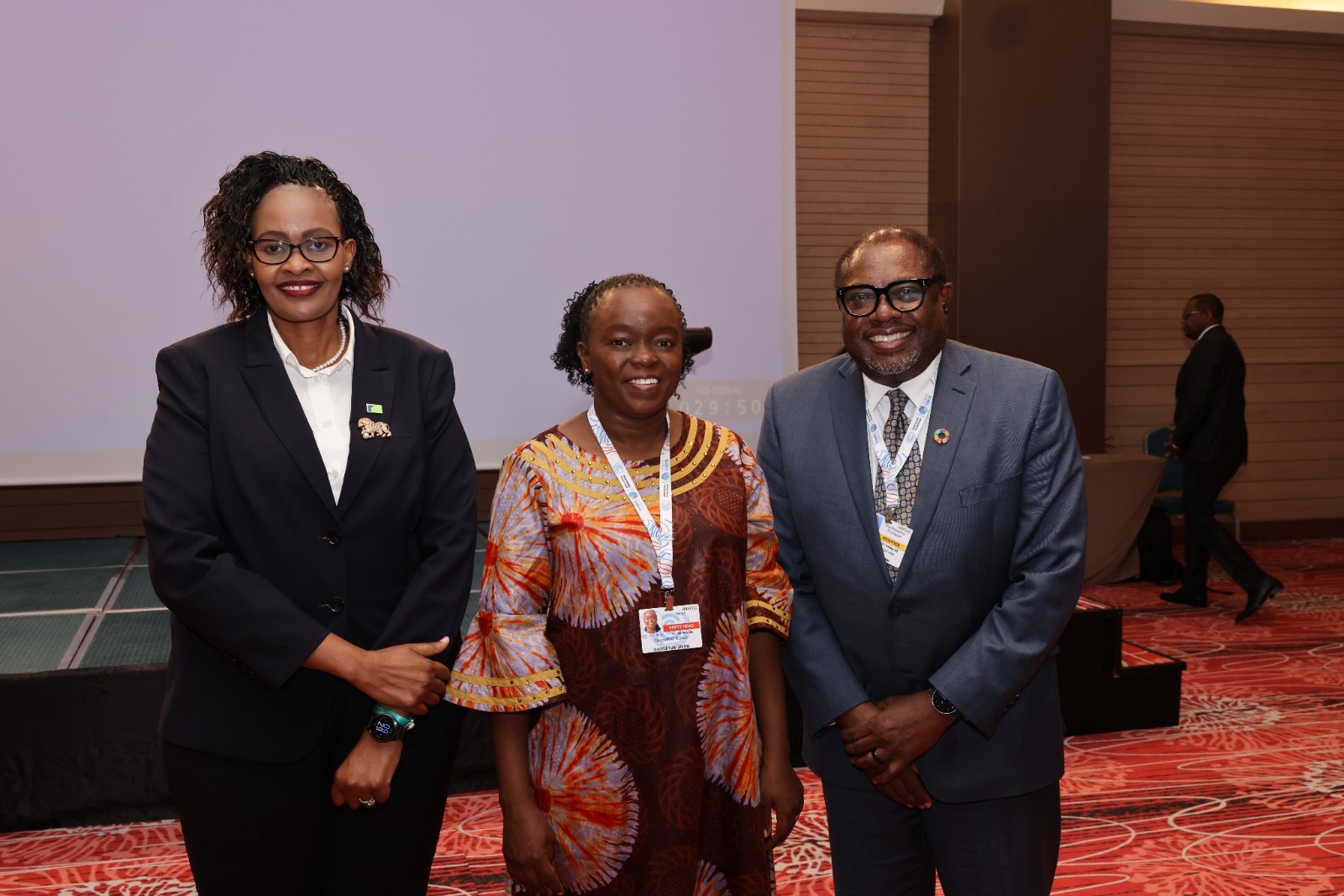
Clean energy in schools could reach 10,000 secondary schools, 250 TVET institutions and 42 universities, but the programme would need an estimated US$460 million, Cabinet Secretary for Environment, Climate Change and Forestry Dr Deborah Mlongo Barasa said at a KCB side event at COP31 in Antalya, Türkiye.
The money would extend a KCB pilot that has moved 600 schools and 60 TVET colleges to clean energy since 2022. KCB describes the route as a loan facility, so institutions that join would borrow to switch from firewood and other biomass fuels.
KCB pilot worth over KSh2 billion covers 600 schools and 60 TVETs
Since 2022, KCB has run a clean energy financing pilot valued at over KSh2 billion. It supports 600 schools and 60 TVET colleges.
According to KCB, the pilot lowered energy costs, cut reliance on biomass fuels and improved energy reliability at participating institutions. KCB’s event material states that over 90 percent of schools still cook with firewood.
Government sets a 2028 target for universal clean cooking
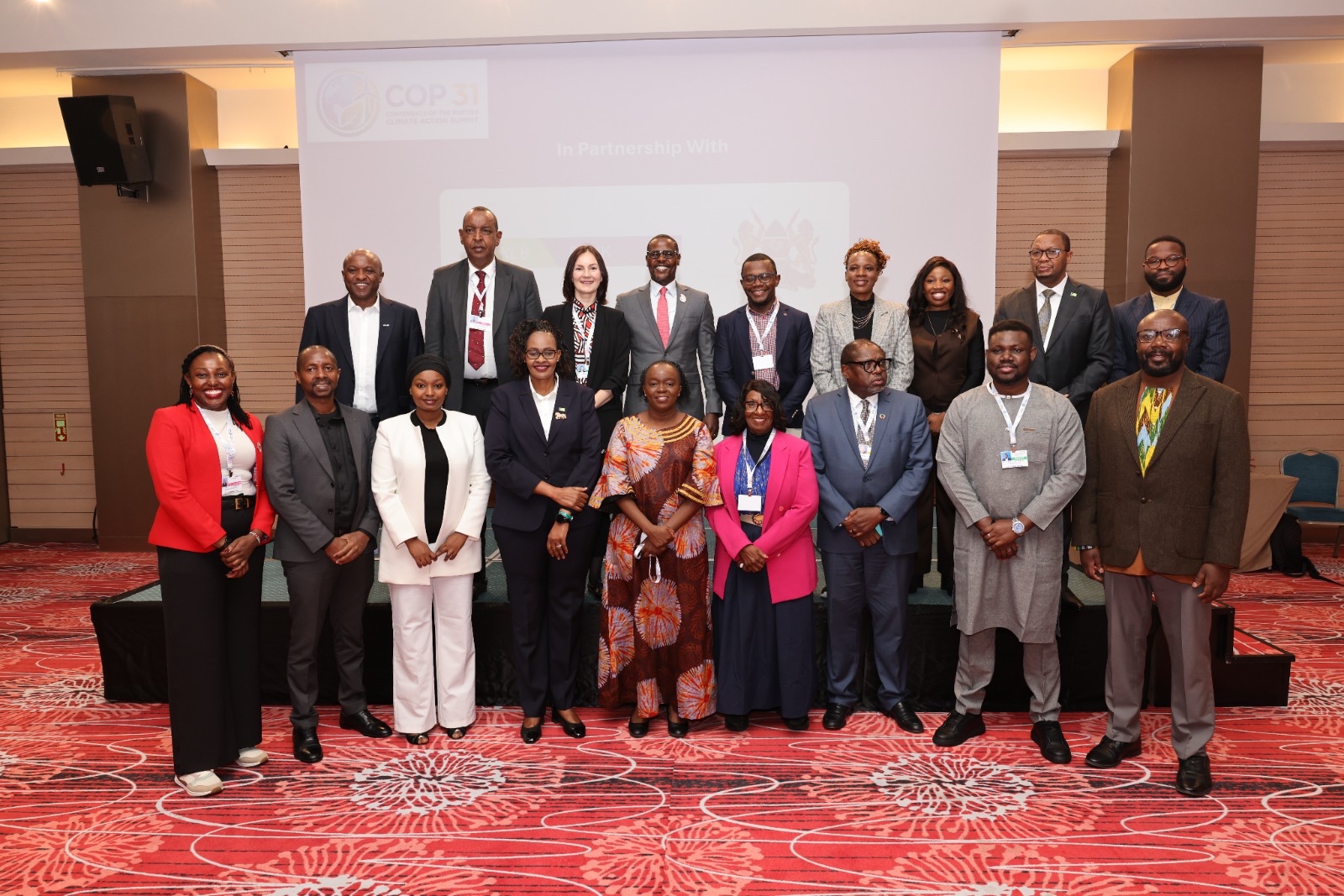
Barasa outlined the Government’s policy frameworks and its commitment to universal access to clean cooking by 2028. Principal Secretary for the State Department for Environment and Climate Change Dr Eng. Festus Ng’eno also attended.
KCB Bank Kenya Managing Director Annastacia Kimtai led the session. The theme was “Strengthening Strategic Partnerships for Sustainable Finance, Climate Action and Investment in Kenya.”
Participants discussed concessional financing, instruments that reduce risk for lenders and technical assistance. These tools aim to draw development finance institutions and investors from the private sector into the programme.
What changes for schools, TVETs and universities
Institutions that join would take a loan from KCB to install clean energy, based on how KCB’s graphic describes its facility. The event statement gave no repayment terms, interest rates or loan sizes.
KCB says its clean energy financing strengthens the role of financial institutions in supporting Kenya’s climate commitments.
KCB recorded KSh48.8 billion in green financing in 2025
KCB Group recorded KSh48.8 billion in green financing in 2025, according to its 2025 Sustainability Report, as Khusoko reported in its half year results coverage.
The group also published a Sustainability Bond Framework ahead of a note programme of up to KSh300 billion over five years.
COP31 explained: 190 countries negotiate climate finance in Antalya
COP stands for Conference of the Parties, the countries that belong to the UN Framework Convention on Climate Change. They meet each year to assess progress and negotiate action on a problem no nation can solve alone. More than 190 countries are in Antalya from 9 to 20 November.
Türkiye hosts and presides over the summit. Australia leads the negotiations and works with Pacific Island countries.
Four issues remain open: climate finance, how the just transition mechanism agreed last year will work, adaptation, and cuts to emissions. COP31 also launches the second global stocktake, the Paris Agreement’s process for assessing collective progress. The summit opens in a year when scientists confirmed the world is on track to exceed the Paris Agreement’s 1.5°C warming threshold.
Finance links these talks to KCB’s programme. Emerging and developing economies outside China received 18 percent of global clean energy investment in 2025, UN News reported. Around 600 million people in Africa still lack access to electricity.
The same renewable energy technology costs several times more to finance in developing countries than elsewhere. Selwin Hart, the UN Special Adviser on Climate Action and Just Transition, said: “We need solutions on finance that will not increase debt.”
What to watch next
COP31 closes on 20 November. Negotiators must decide how the just transition mechanism will work and how developing countries gain access to climate finance.
