



Kenya’s competition regulator and its retail lobby pressed the sector on Wednesday over two questions: how supermarkets treat suppliers, and where shelf stock comes from.
The Competition Authority of Kenya (CAK) warned retailers against unfair commercial terms. The Retail Trade Association of Kenya (RETRAK) asked enforcement agencies to trace smuggled and counterfeit goods to their source.
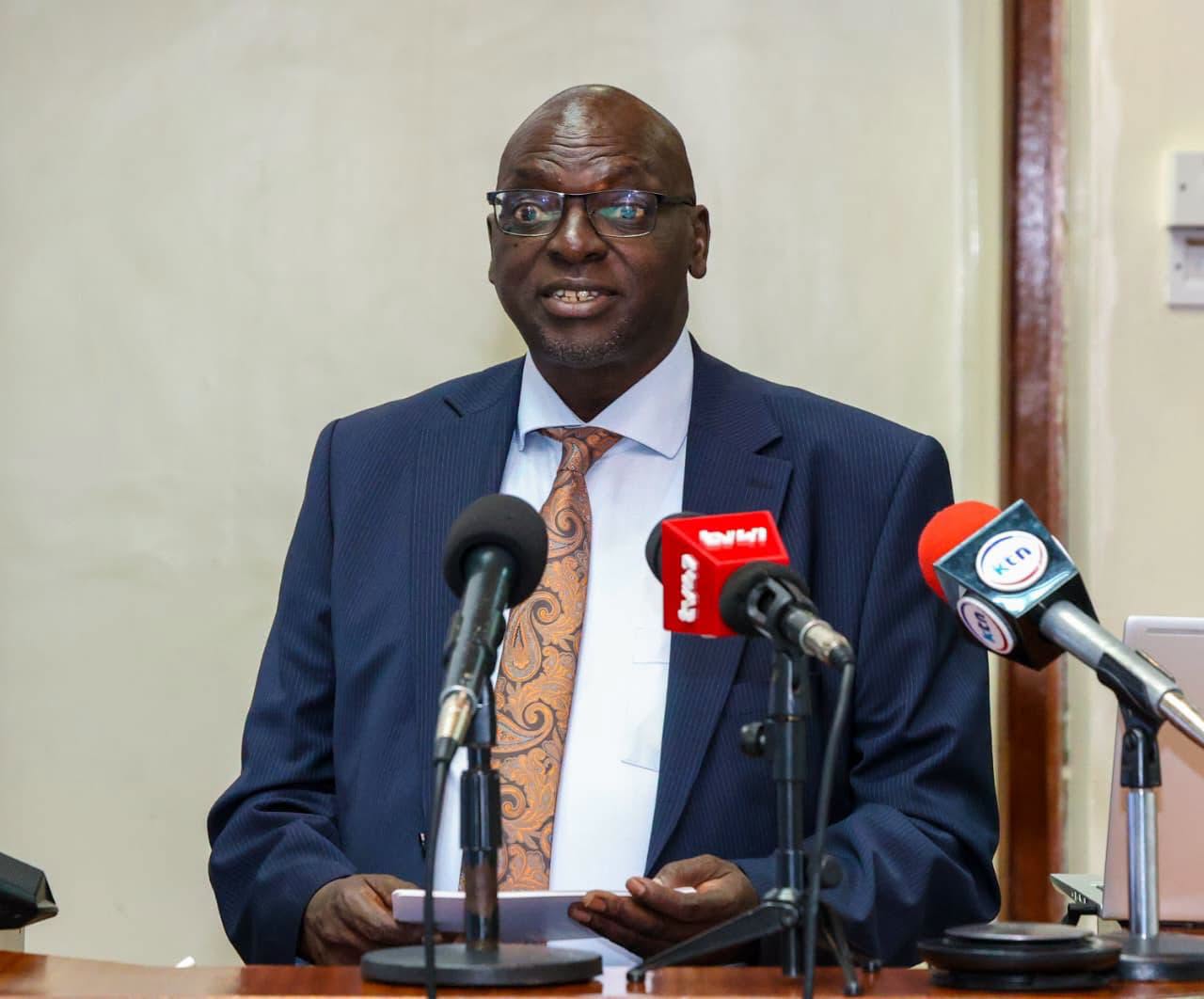
CAK targets cost shifting, rebates and slow payment
CAK Director General David Kemei said supply agreements must rest on genuine negotiation and mutual engagement. Buyers, he said, should not dictate terms because they hold the stronger bargaining position.
The authority says it has found retailers moving operating costs and risks onto suppliers. It also reports demands for rebates and promotional contributions, longer payment periods, and terms forced through joint business plans.
Buyers with greater bargaining power can also squeeze smaller suppliers through delayed payments, unilateral contract termination and refusal to receive goods without a valid reason. Other practices that may count as abuse include demanding preferential terms and barring suppliers from selling to competing buyers.
The warning follows a record of enforcement. CAK fined Carrefour operator Majid Al Futtaim Sh1.1 billion in December 2023 for demanding discounts and listing fees from suppliers. Earlier rules in the Retail Trade Code of Practice already require retailers to pay interest on delayed supplier payments.
Joint business plans must stay voluntary
CAK encourages written supply agreements. It says it has never directed suppliers in the retail sector to sign joint business plans with retailers, and that such plans must remain voluntary.
A signed contract does not settle the matter. The regulator says a signature does not prove the terms were negotiated fairly or that they comply with the law.
Penalties and what suppliers should keep
CAK says it is monitoring commercial practices in retail and will investigate specific retailers where evidence points to breaches of the Competition Act. A business found guilty of abusing buyer power faces a fine of up to Sh10 million, up to five years in prison, or both. CAK can also impose an administrative penalty of up to 10% of the company’s gross annual turnover in the preceding financial year.
Suppliers who face unfair practices should preserve signed agreements, draft contracts, correspondence, payment records and any document that shows how the terms were negotiated. CAK also asked retailers and other buyers to review their supply agreements and confirm that their dealings comply with competition law.
RETRAK wants enforcement to follow the supply chain
RETRAK represents large and small retailers. It wants action beyond seizures on shop floors. The association asked the Kenya Revenue Authority (KRA), the Anti-Counterfeit Authority (ACA), the Kenya Bureau of Standards (KEBS) and the National Police Service to agree a joint enforcement plan, name a lead agency and publish a timeline for progress reports.
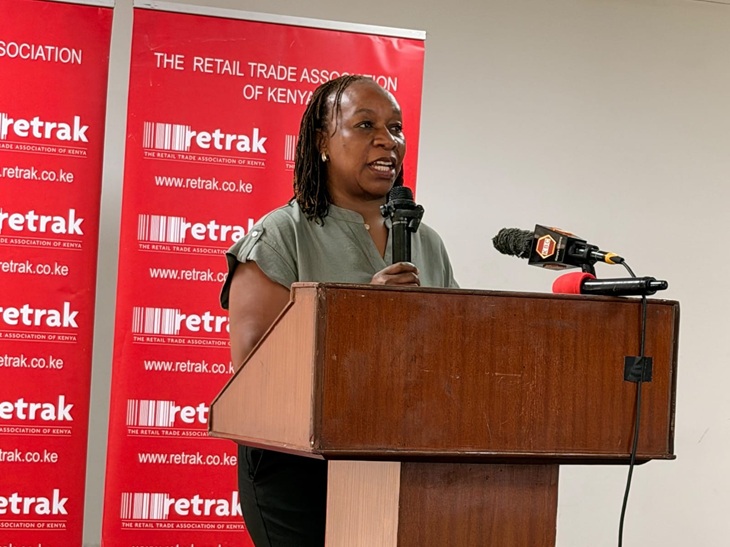
RETRAK Chief Executive Wambui Mbarire said a seizure marks the start of an investigation, not the end.
“Seizing illicit products from a shop is only the beginning,” she said. Investigators, she added, must establish who supplied the goods, where they were stored, who transported them and who financed the consignment. “Following that trail is how we disrupt the networks and prevent the next delivery.”
The figures behind the push
Cigarettes show the scale most clearly. A Kantar study estimates that illicit cigarettes made up 45.1% of Kenya’s cigarette market in 2025, up from 34.1% in 2021. BAT Kenya commissioned the study. It puts excise duty and VAT losses at Sh10.2 billion in 2025 and Sh47 billion from 2021 to 2025. BAT Kenya also cited the 45% share when it reported its first half 2026 results.
Alcohol and manufactured goods follow a similar pattern, according to figures RETRAK cited from the ACA:
- Illicit alcohol makes up about 59% of the alcohol Kenyans drink by volume. The ACA told Parliament it cost the economy Sh71 billion in 2022.
- Counterfeit goods account for an average of 18% of products in the sectors the ACA surveyed. That includes 21% of motor vehicle spare parts and 19% of alcoholic drinks.
- The ACA seized counterfeit goods worth more than Sh563 million in the first three quarters of the 2025/26 financial year.
- KRA destroyed fake and illicit goods worth Sh218 million in July and intercepted nearly 100 tonnes of smuggled sugar in Lodwar and Marsabit.
What RETRAK asks of regulators and retailers
The association wants practical tools that let retailers verify excise stamps and product authentication marks. It also wants fast guidance when a suspicious delivery arrives, and safe channels for shop staff and the public to report illicit goods and learn what happened next. It asked for enforcement results to be public, including progress in tracing major suppliers, prosecutions and recovery of unpaid taxes.
Mbarire said compliant retailers cannot compete with operators supplied by smugglers, counterfeiters and tax evaders. “Illicit trade undermines compliant businesses, puts jobs at risk and exposes consumers to dangerous products,” she said. She called for a sustained response and not isolated raids. “Kenyans deserve to know whether investigations are reaching the sources of illicit products.”
RETRAK said retailers carry their own duty. They should check suppliers, keep invoices and reject goods of unverifiable origin. The association offered to work with regulators on guidance and awareness programmes for retailers of all sizes, including small traders.
Mbarire closed with the health risk. Counterfeit alcohol can threaten lives, she said, and fake vehicle parts can cause serious harm. “Tackling illicit trade protects consumers, legitimate businesses, jobs and public finances.”
