


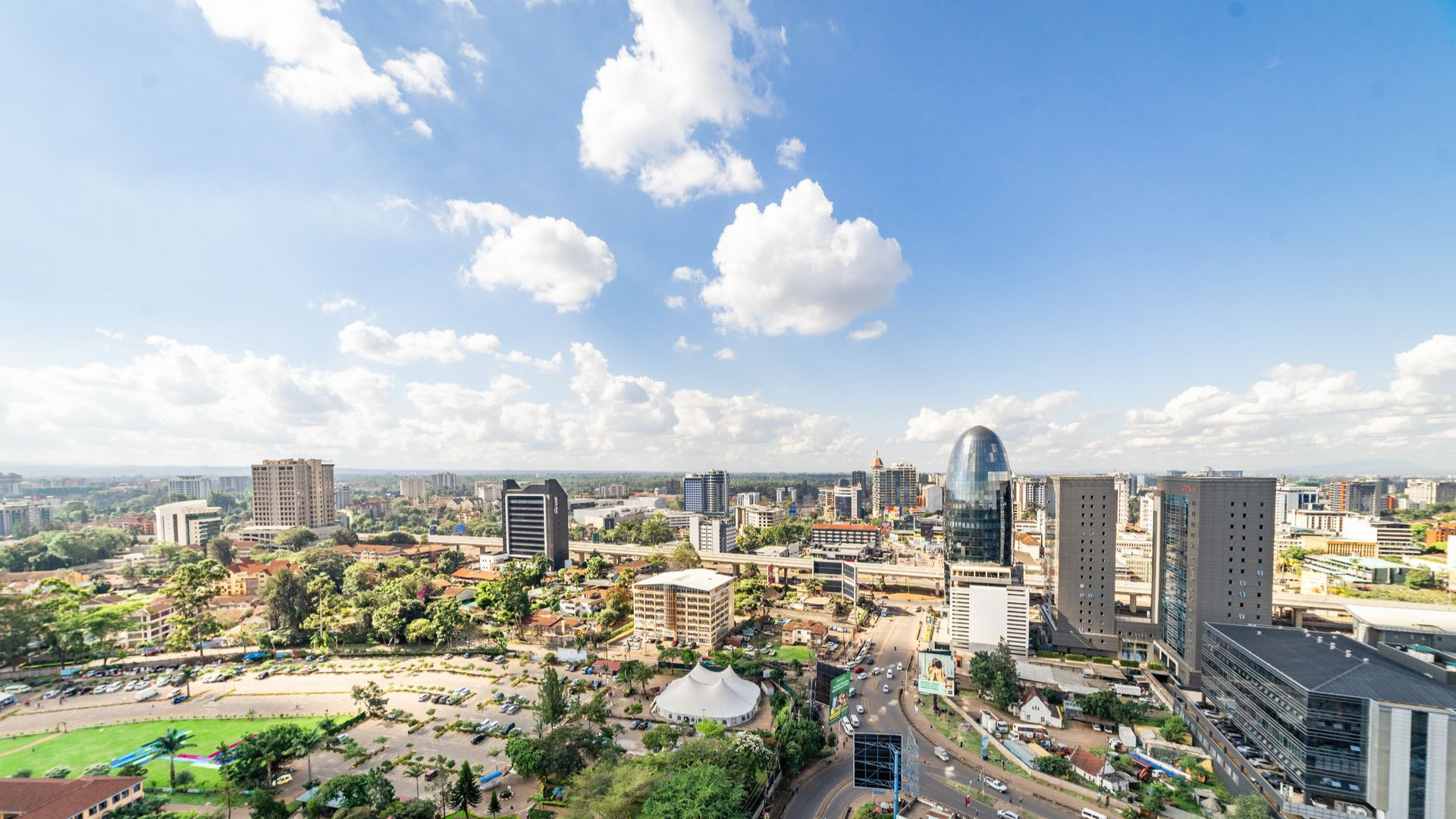
Land in 12 of the 14 satellite towns around Nairobi returned less over two years than rolling 91 day Treasury bills, according to the HassConsult Land Price Index for the third quarter of 2026. Only Ruiru and Juja beat the benchmark.
Only Ruiru and Juja beat the Treasury bill benchmark
The 91 day bill cleared at 8.75 percent at the Central Bank of Kenya auction on November 5, according to the CBK weekly bulletin. Over the 12 months to September, land prices fell in six of the 14 towns and rose between 0.2 and 6.2 percent in six more. Ruiru (11.5 percent) and Thika (9.3 percent) were the only towns above the bill rate on that one year measure.

HassConsult Co-CEO Sakina Hassanali said that as returns from passive landholding lose ground to other investments, the case for buying land may rest more on how the buyer plans to use it. She tied the shift to maturing markets.
Quarterly growth halves
Land prices in the 14 towns grew 0.65 percent in the quarter to an average of Sh33.7 million an acre, from 1.4 percent in the second quarter. Nine towns recorded gains, against seven in the previous quarter. Ngong led with 2.19 percent. Mlolongo fell 2.2 percent, the largest drop. Kiambu, Kiserian, Ongata Rongai and Tigoni also declined.
The second quarter leaders slowed. Ruiru rose 4.1 percent to Sh42.2 million an acre, Thika 3.8 percent to Sh32.4 million and Ruaka 2.8 percent to Sh115.7 million in that period. In the third quarter Ruiru rose 0.8 percent, Thika 2.0 percent and Ruaka 1.9 percent.
Land values still sit well above 2007
The index shows land values in the 14 towns up 13.8 times since December 2007, with the average acre rising from Sh2.4 million to Sh33.7 million. HassConsult calculates that Sh1 million put into satellite town land at the end of 2007 would now be worth Sh13.8 million. The same sum would be worth Sh5.15 million in bonds, Sh1.76 million in savings and Sh0.79 million in equities.
The pace has changed. Satellite town land prices grew 4.3 percent in the year to March 2026, down from 9.93 percent a year earlier. In Ngong, annualised growth reached 21.4 percent in December 2023 and turned into a 2.3 percent contraction in the year to March 2026. The third quarter index puts annual growth at 4.3 percent.
Ruaka remains the costliest satellite town
An acre in Ruaka averages Sh117.9 million, above Runda at Sh106.5 million and Kitisuru at Sh105.2 million. Kiserian is the cheapest of the 14 at Sh13.3 million. Khusoko reported in October 2024 that Ruaka land prices had passed those of Karen, Runda, Ridgeways, Kitisuru and Langata.
House prices and rents weaken in satellite towns
Satellite town house asking prices fell 0.6 percent in the quarter to an average of Sh14,433,355, the second consecutive quarterly decline.
Ngong dropped 1.2 percent to Sh19.1 million, Ongata Rongai 1 percent to Sh15.4 million, Juja 0.6 percent to Sh12.8 million and Kitengela 0.5 percent to Sh13.2 million. Rental asking prices rose 0.4 percent, from 1.1 percent in the second quarter. The sales index for the towns is down 2.0 percent over the year.
HassConsult said buyers in satellite towns react more to affordability and to competing housing options.
Established suburbs move the other way
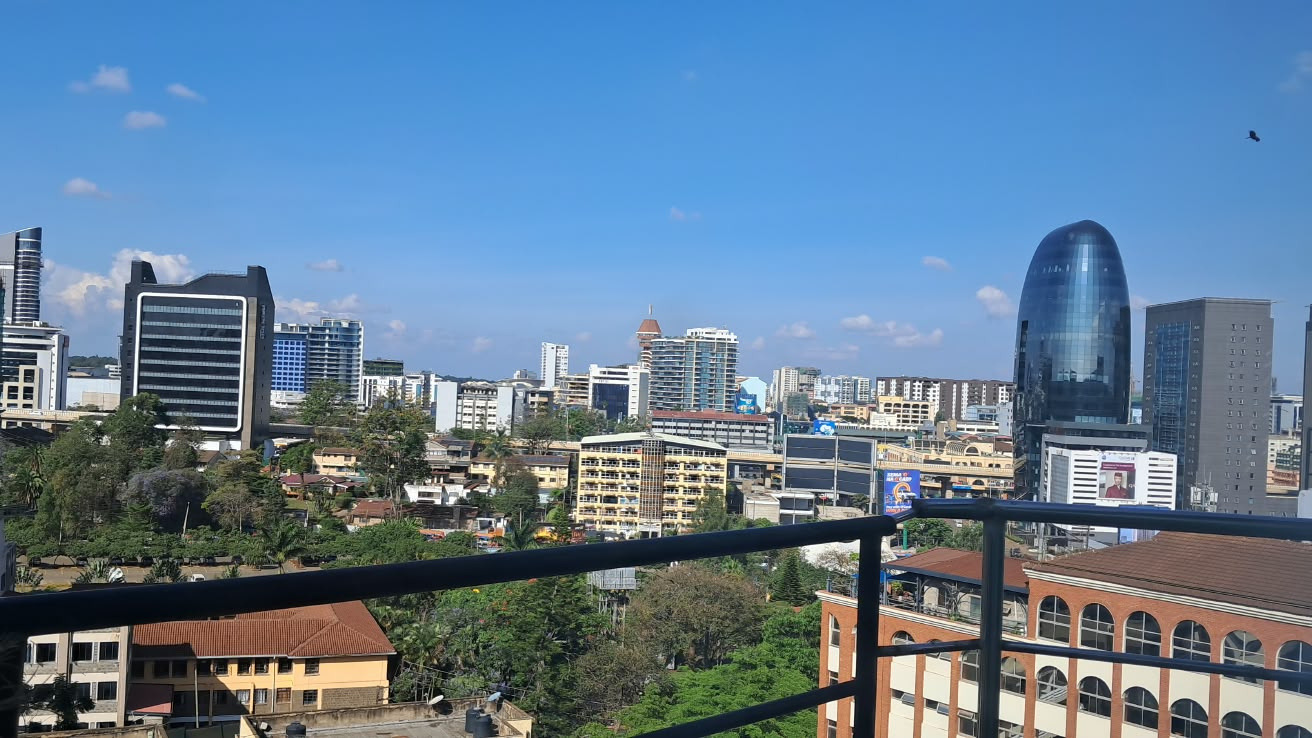
Nairobi’s 18 suburbs split. Land prices rose 0.7 percent to Sh233.5 million an acre, from 1.4 percent, the slowest quarterly rise in three years. Thirteen suburbs gained, led by Karen at 3.0 percent and Westlands at 2.7 percent. Five fell, including Muthangari at 3.1 percent and Gigiri at 2.2 percent. Langata slowed from 4.1 percent to 0.2 percent.
House prices rose. Suburban asking prices climbed 2.3 percent to an average of Sh33,884,830, after 0.9 percent in the second quarter. Spring Valley gained 6.8 percent to Sh79.4 million, Westlands 5.9 percent to Sh64.5 million and Muthaiga 5.5 percent to Sh118.1 million. Karen and Loresho each rose 5.2 percent. Rents rose 2.7 percent, from 1.4 percent, led by Loresho at 6.2 percent to Sh338,100 a month. Hassanali said United Nations operations and staff relocating to Nairobi add rental demand in the diplomatic neighbourhoods.
HassConsult linked the gains to lower borrowing costs and limited housing supply. Average bank lending rates stood at 14.4 percent in September, against 17.2 percent in November 2024, and private sector credit growth rose to 10.6 percent in September from 10.3 percent in August.
Banks lent a record Sh99.4 billion in September, the most in at least five years. The Central Bank Rate stayed at 8.75 percent at the October 7 meeting. Khusoko reported that private sector credit stock reached a record Sh3.96 trillion in September 2025, in its credit report.
