


Motorists and transporters have something to cheer this month. The Energy and Petroleum Regulatory Authority has cut the price of diesel by Sh5 a litre for the pricing cycle running from August 15 to September 14, 2026, while leaving petrol and kerosene untouched.
In Nairobi, diesel now retails at Sh217.86, down from Sh222.86 in the previous cycle. Super petrol stays at Sh214.03 a litre and kerosene remains at Sh191.38. The new prices took effect at midnight on August 14 and will hold until the next review in mid September.
EPRA credited the price freeze on petrol and kerosene to fresh government support, saying the two products would have gone up without it. The regulator’s press release put it simply: petrol and kerosene prices “remain unchanged due to additional Government Stabilisation Support Measures” worth Sh938 million.
Why Diesel Fell While Petrol Held
The gap in outcomes comes down to what happened in the international market last month. Landed costs, the price Kenya pays to bring fuel into the country, moved in three different directions between June and July.
Super petrol’s landed cost climbed nearly 7 percent, from $836.92 to $948.92 per cubic metre. Left alone, that increase would have pushed pump prices higher. Diesel told the opposite story, falling over 13 percent from $984.37 to $855.59 per cubic metre, a drop large enough to flow straight through to the pump. Kerosene’s landed cost also eased, down 11 percent to $915.01 per cubic metre, but government support kept its retail price frozen rather than let it fall.
The shilling held broadly steady against the dollar through the review period, trading close to Sh129.7, so exchange rate swings played little part in this month’s outcome.
A Look at Fuel Prices Since January
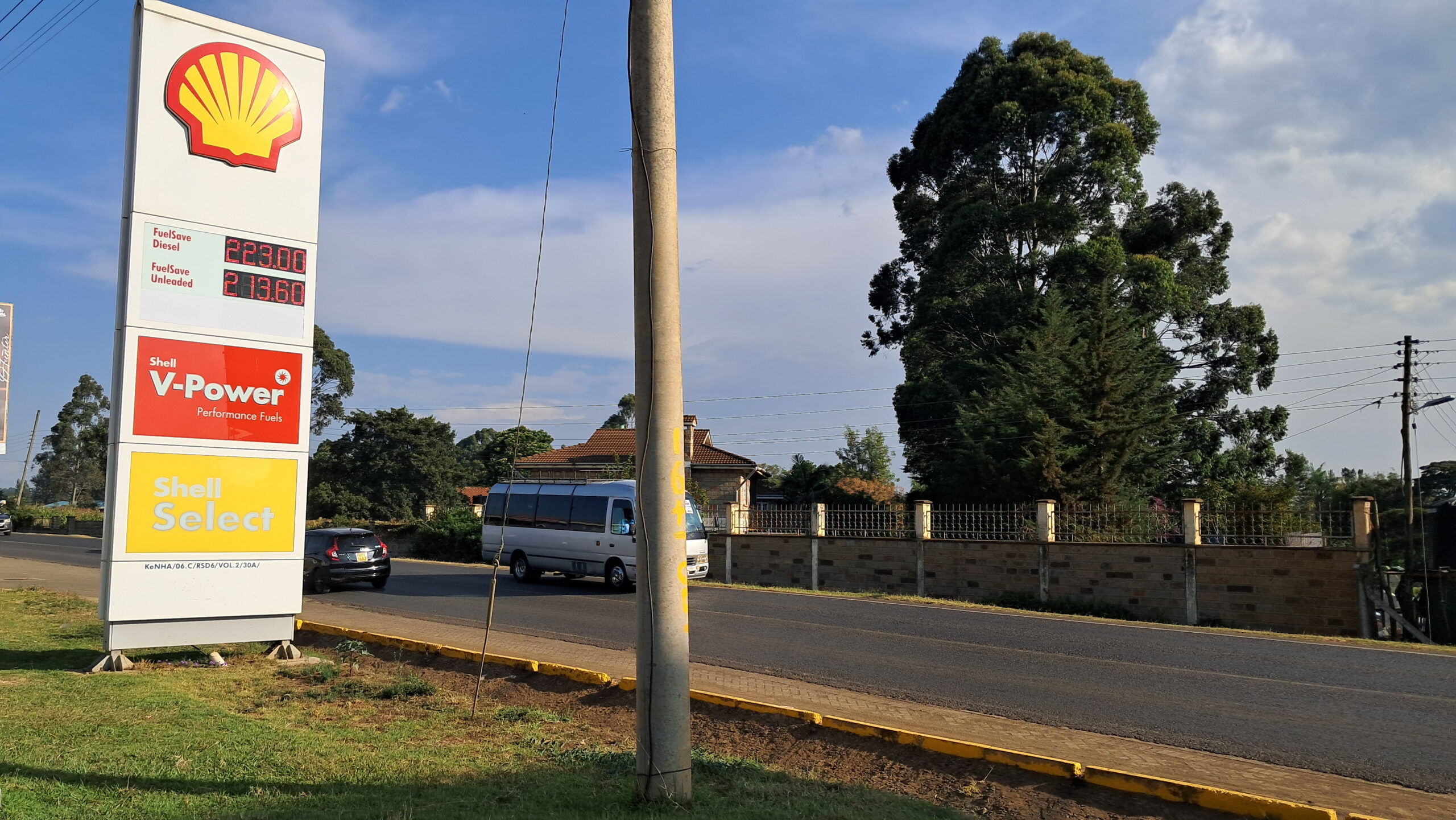
Kenyan motorists have been on a rough ride this year. Prices stayed low and steady through the first quarter, then surged sharply in April and May as the Middle East conflict disrupted global oil supply chains, before easing back over the past two months. The table below tracks the maximum retail prices in Nairobi across every pricing cycle since January.
| Pricing Cycle | Super Petrol (Sh/litre) | Diesel (Sh/litre) | Kerosene (Sh/litre) |
|---|---|---|---|
| Jan 15 – Feb 14 | 182.52 | 170.47 | 153.78 |
| Feb 15 – Mar 14 | 178.28 | 166.54 | 152.78 |
| Mar 15 – Apr 14 | 178.28 | 166.54 | 152.78 |
| Apr 15 – May 14 | 206.97 | 206.84 | 152.78 |
| May 15 – May 18 | 214.25 | 242.92 | 152.78 |
| May 19 – Jun 14* | 214.25 | 232.86 | 191.38 |
| Jun 15 – Jul 14 | 214.03 | 222.86 | 191.38 |
| Jul 15 – Aug 14 | 214.03 | 222.86 | 191.38 |
| Aug 15 – Sep 14 | 214.03 | 217.86 | 191.38 |
*EPRA made a rare mid cycle revision on May 19 after transport operators staged a nationwide matatu strike over the April and May price hikes, cutting diesel and raising kerosene to narrow the gap between the two products and curb adulteration.
Since January, diesel has climbed a net Sh47.39 a litre and petrol Sh31.51, even after the recent relief. Kerosene has risen Sh37.60. The April to May spike, driven by the escalation in the Middle East, remains the sharpest move of the year, and government interventions, including a temporary VAT cut to 8 percent and repeated draws from the Petroleum Development Levy Fund, have done much of the work of pulling prices back down since. Khusoko’s coverage of the July to August freeze traces how that VAT relief and a Sh945 million subsidy kept prices flat even as global markets stayed volatile.
What the Central Bank Sees in the Numbers
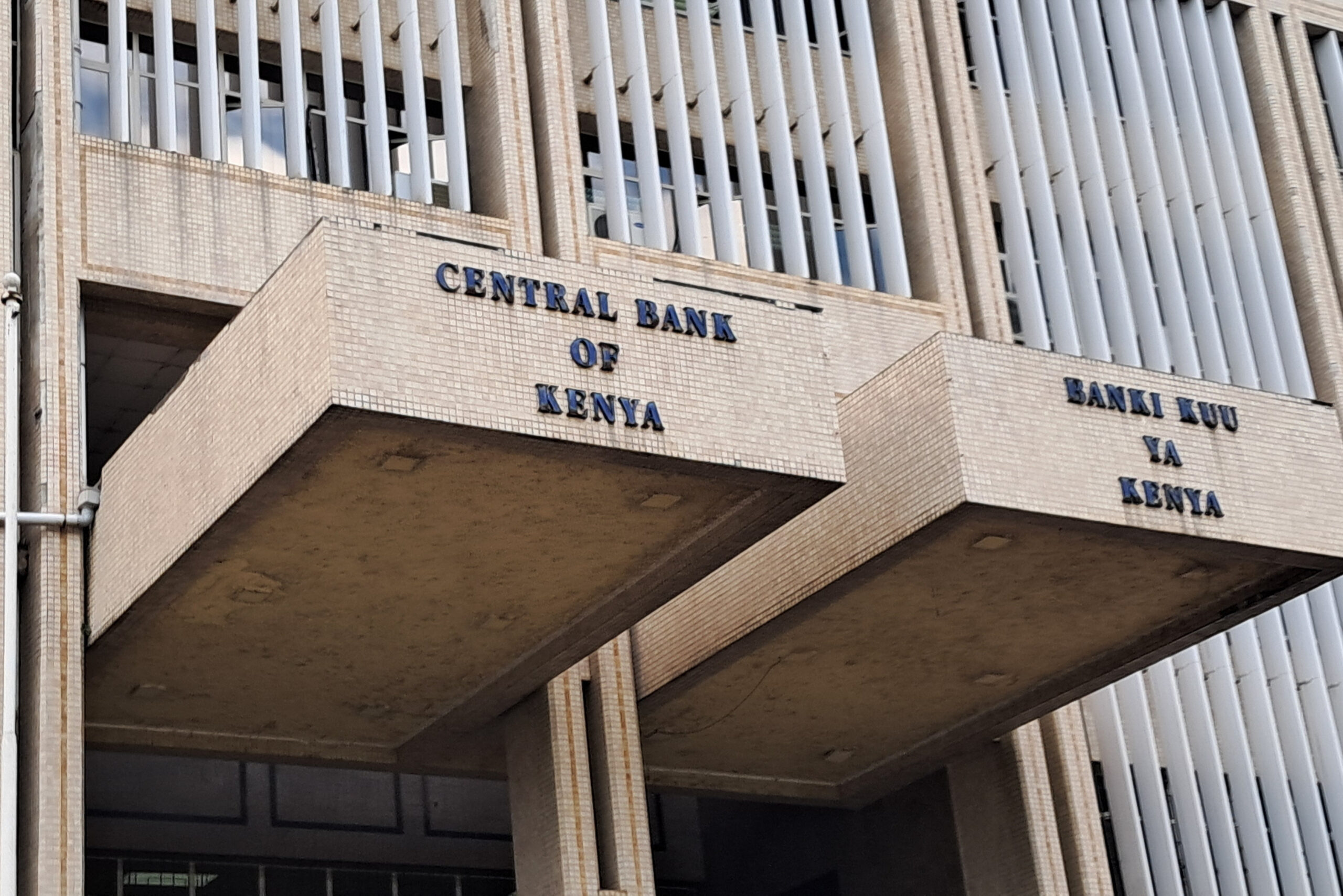
The Central Bank of Kenya’s Monetary Policy Committee met on August 11, three days before this fuel price review, and chose to hold the Central Bank Rate at 8.75 percent for a third straight sitting. Governor Kamau Thugge, who chairs the committee, said the current stance remains appropriate “to ensure that inflation expectations remain anchored within the target range.”
Energy costs featured heavily in the committee’s thinking. Non-core inflation, which captures volatile items like fuel and food, eased to 15.0 percent in July from 15.1 percent in June. The MPC linked that improvement directly to government support in the fuel market, alongside a stable exchange rate. Overall inflation held at 6.5 percent in July, comfortably within the target band, though the committee flagged the Middle East conflict as an ongoing risk to watch.
NCBA’s research team in its post meeting note, the bank observed that support from government interventions in the fuel market helped keep inflation anchored, adding that a durable easing of global energy pressure “would help anchor inflation expectations” and support steadier credit growth. The bank also pointed to improving private sector credit, up 10.2 percent in July, and a falling non-performing loan ratio as signs the broader economy is holding up despite the external noise.
What It Means for Households and Businesses
For transporters and manufacturers who rely heavily on diesel, this cycle brings genuine relief after months of pressure. Public transport operators, who forced a mid cycle price revision back in May through strike action, will welcome the Sh5 cut even if diesel still sits well above where it started the year.
Petrol users and households that depend on kerosene for cooking will notice no change at all this month. With EPRA explicit that both prices were only held flat because of a Sh938 million government intervention, the underlying market pressure has not gone away. Whether that support continues will depend largely on how Middle East tensions and global oil markets move over the coming weeks, a risk both EPRA and the Central Bank are watching closely heading into the next review on September 14.
For readers who want to track how these prices evolve, Khusoko’s ongoing fuel price coverage offers a running record of each monthly review and the reasoning behind it.
