



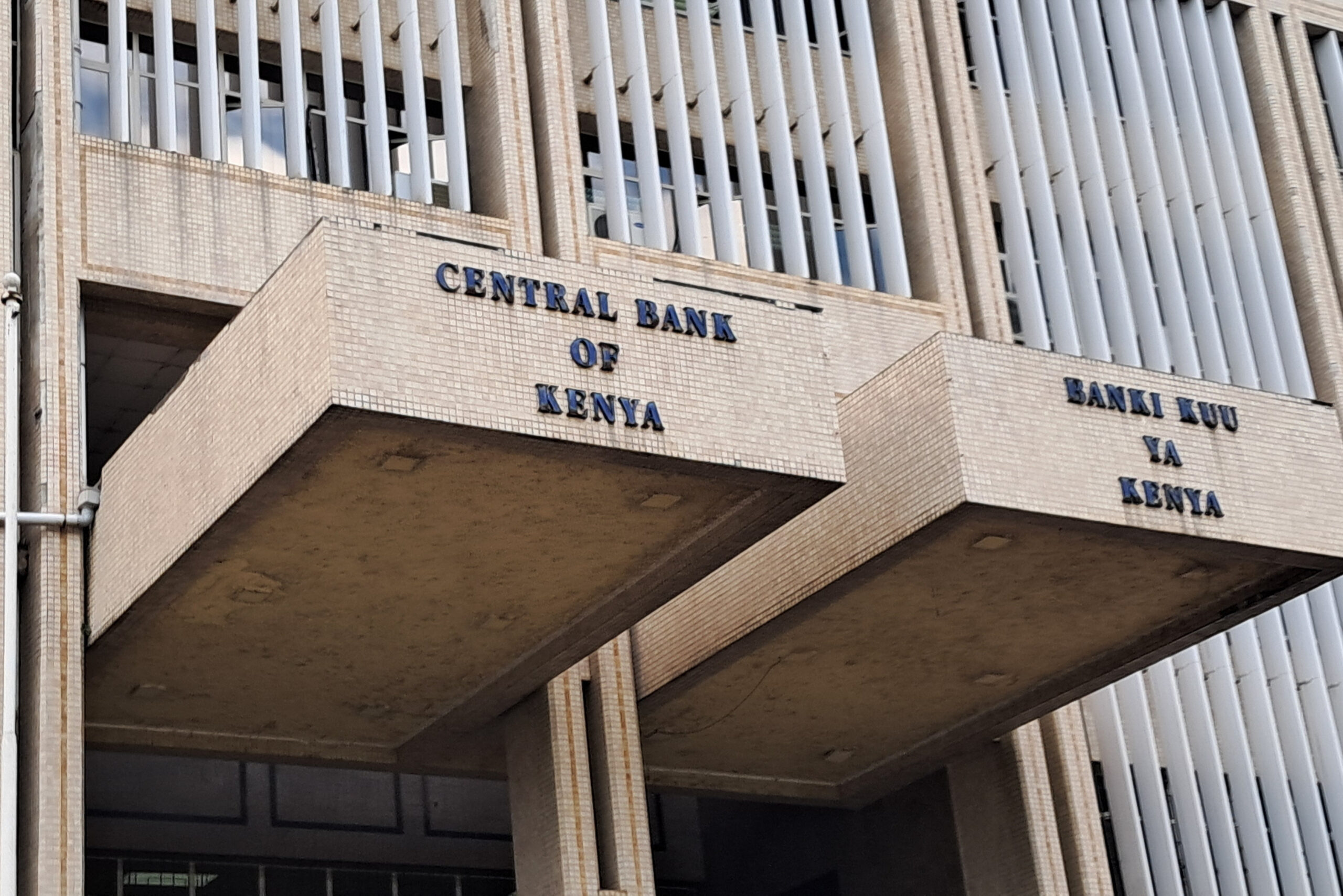
The Central Bank of Kenya has kept its benchmark lending rate unchanged, betting that steady prices and a resilient economy give policymakers room to keep supporting growth rather than tightening the screws on borrowing costs.
The Monetary Policy Committee (MPC) voted to maintain the Central Bank Rate (CBR) at 8.75% during its meeting on August 11, 2026, marking the third consecutive hold since the committee shifted its stance earlier in the year. The decision keeps borrowing costs steady for businesses and households even as global oil prices continue to ripple through the domestic economy.
“The current monetary policy stance, with the Central Bank Rate unchanged at 8.75 percent, remains appropriate to ensure that inflation expectations remain anchored within the target range, and the exchange rate remains stable,” the committee said in its statement, chaired by CBK Governor Dr. Kamau Thugge.

Inflation Holds Steady Despite Oil Price Pressure
Kenya’s headline inflation crept up to 6.5% in July from 6.4% in June, staying comfortably within the government’s target band of 2.5% to 7.5%, as Khusoko reported at the start of the month. Core inflation, the measure that strips out volatile food and fuel costs and best reflects demand pressure in the economy, edged up slightly to 3.2% from 3.1% the previous month.
Non-core inflation told a more encouraging story, easing to 15.0% in July from 15.1% in June. The committee credited the improvement to lower energy prices, supported by government interventions including fuel subsidies and a temporary cut to value added tax on petroleum products, a measure the Treasury extended to keep the levy at 8% instead of the standard 16% through mid October.
That fuel relief has held pump prices flat for a third straight month, giving households and transport operators some breathing room even as Middle East supply risks keep global oil markets on edge.
Food prices remain the main irritant. Vegetable costs, particularly Irish potatoes, tomatoes, kales, cabbages and onions, kept pushing food inflation higher even as the broader picture stabilized.
Looking ahead, the MPC expects inflation to stay within target, provided the conflict in the Middle East does not escalate further. The committee pointed to a combination of factors likely to keep prices in check: careful monetary policy, continued government support measures, stable food supplies and a steady shilling.
Economy Grows Faster Than Expected
Kenya’s economy expanded by 5.3% in the first quarter of 2026, up from 4.9% in the same period last year, with growth spread broadly across industry, services and agriculture. Manufacturing benefited from stronger output of sugar, soft drinks, vehicles and cement, while tourism and hospitality drove a solid services sector performance.
The central bank now projects full year growth of 4.9% in 2026, rising to 5.3% in 2027, up from 4.6% recorded in 2025. Officials cautioned that a prolonged Middle East conflict and rising trade tensions globally could still weigh on that outlook, alongside the potential impact of El Niño weather patterns on agriculture.
Business sentiment offered a further sign of momentum. Kenya’s private sector returned to growth in July, with new orders and employment picking up after a soft patch earlier in the year.
Banking Sector Strengthens as Credit Growth Accelerates
Kenya’s banks are in noticeably better shape than a year ago. The ratio of non performing loans to total loans fell to 14.6% in July, down from 15.4% in April and a much higher 17.6% in August 2025, as lenders cleaned up bad debt across manufacturing, construction, trade and real estate.
At the same time, private sector credit growth surged to 10.2% in July and 10.6% in June, a sharp turnaround from the negative 2.9% recorded in January 2025. Cheaper borrowing appears to be feeding through to real economic activity, with trade, construction, agriculture and consumer lending all picking up pace.
Average commercial bank lending rates fell to 14.3% in July, down from 14.4% in June and well below the 17.2% recorded in November 2024, evidence that earlier rate cuts are finally working their way through the banking system.

Currency Stays Firm, Current Account Deficit Widens
Kenya’s foreign exchange reserves stood at $15.249 billion as of the meeting date, providing 6.3 months of import cover and a solid buffer against external shocks, according to the central bank.
The current account deficit widened to an estimated 3.0% of GDP in the twelve months to June 2026, up from 1.9% a year earlier, as import costs outpaced export earnings. Goods imports climbed 13.1%, driven by higher purchases of food, fuel and capital equipment, while goods exports rose a more modest 8.9% on stronger horticulture, tea and machinery sales. Diaspora remittances slipped 2.4% over the period.
Despite the wider deficit, the central bank expects capital and financial inflows to more than cover the gap, projecting an overall balance of payments surplus of $2.485 billion for 2026.
Analysts Had Called the Hold Correctly
Ahead of the meeting, most market watchers expected the committee to stay the course. In its half year 2026 market outlook, NCBA projected headline inflation would average between 6.0% and 6.5% in the third quarter as the earlier oil price shock fades, and forecast the CBR settling between 8.50% and 8.75% by December.
In a pre MPC note published this month, NCBA Bank Kenya’s research team argued that a hold would promote interest rate stability just as banks begin rolling out the new Risk Based Credit Pricing Model, while giving the committee room to keep supporting growth without stoking inflation.
“On growth, first quarter real GDP came in at a surprising 5.3 percent, relative to 4.9 percent in 2025. Therefore, to continue supporting growth into the second half of 2026, policy need not be restrictive,” the NCBA note read.
The Centre for Research on Financial Markets and Policy reached a similar conclusion in its own research note published August 6, pointing to four factors that made a hold the sensible choice: inflation sitting comfortably within target, resilient domestic growth, effective transmission of earlier rate cuts through the banking system, and a stable shilling.
“With inflation within the target range, and exchange rate stability achieved, there is merit in sustaining the current stance of monetary policy, to support the recovery in private sector credit and economic activity,” the centre said.
What Comes Next
The MPC said it will keep a close watch on global oil prices and any knock on effects for domestic inflation, alongside other developments in the local and global economy. The committee is scheduled to meet again in October 2026, when it will next decide whether current conditions still warrant holding rates steady or shifting course.
