



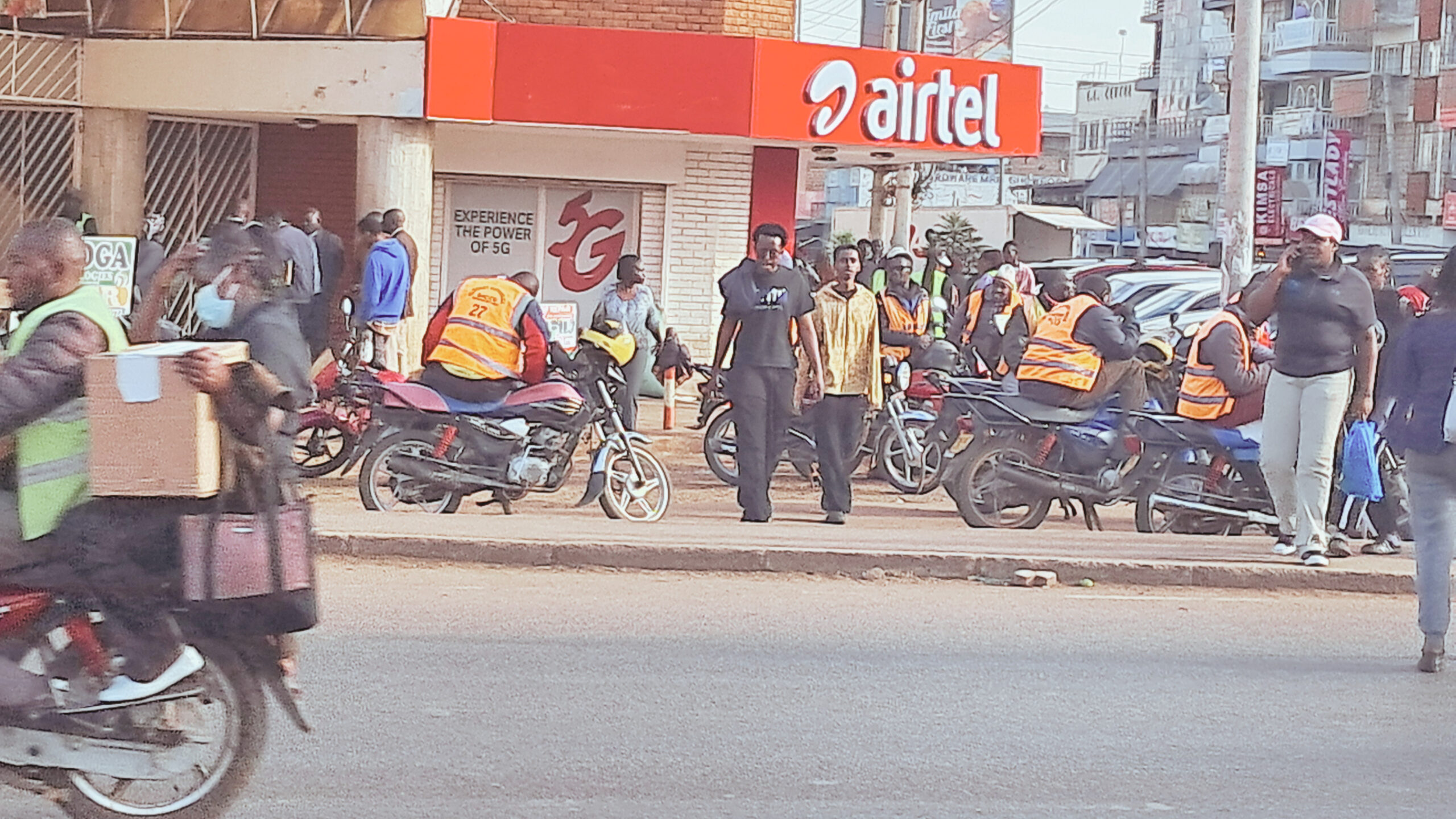
Airtel Africa Plc has delivered its strongest first quarter start to a financial year yet, reporting revenue of $1,853 million for the quarter ended 30 June 2026, up 31.0% in reported currency. The telecom and fintech group credited the jump to double digit constant currency growth across every segment it operates, with mobile services climbing 19.1% and mobile money surging 25.8%.
The results paint a picture of a company riding two parallel growth stories at once: a traditional telecom business adding customers and data usage at pace, and a fintech arm scaling into one of Africa’s largest digital payment platforms.
Customer Growth Accelerates Across the Board
Airtel Africa’s total customer base grew 11.6% to reach 189 million, with data customers rising even faster, up 15.5% to 87.3 million. That shift toward data users matters, because it signals a customer base moving from basic voice services toward smartphone-driven digital habits.
Smartphone penetration reached 51.0%, a gain of 5.2 percentage points over the past year. As more customers switched to smartphones, data usage followed suit. The average customer now consumes 10.6 GB per month, up from 7.8 GB a year earlier, driving a 56.3% increase in data traffic across the network and lifting constant currency data ARPU by 10.3%.
East Africa Delivers Steady, Broad Based Growth
East Africa remained a consistent performer, with constant currency revenue up 14.4%, powered by a 9.3% rise in the customer base and 5.3% ARPU growth. In reported currency, the region’s revenue climbed 21.9% to $607 million. Voice revenue in the region grew 8.0% in constant currency, tracking closely with customer additions.
Group wide, the numbers tell a similar story of broad based strength. Constant currency revenue across Airtel Africa rose 21.1%, with East Africa up 17.8% and Francophone Africa up 18.0%. Nigeria stood out with 29.8% growth, though the company noted this partly reflects easier comparisons following tariff adjustments made in the fourth quarter of the 2025 financial year.
Airtel Money Cements Its Fintech Ambitions
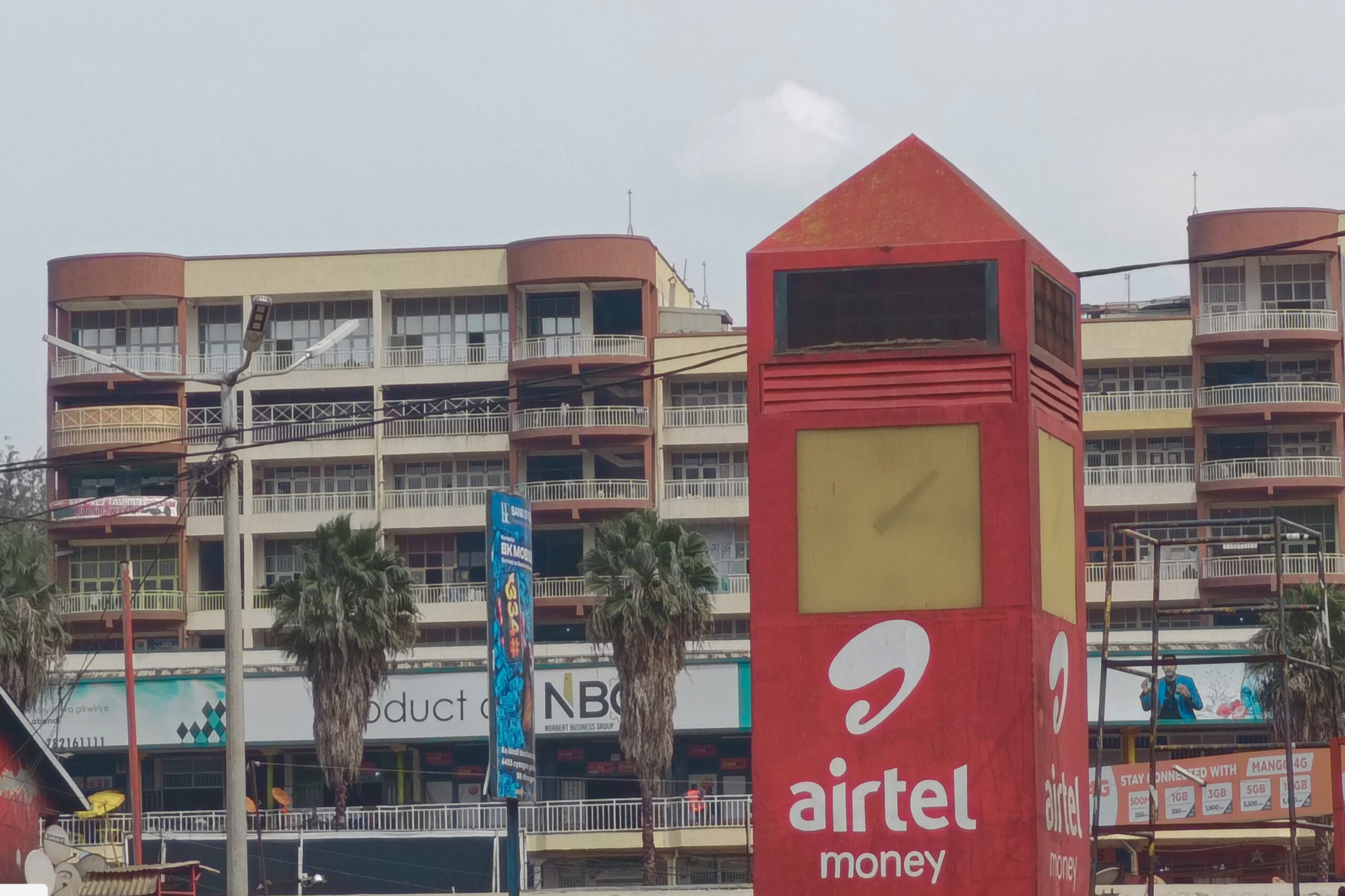
Airtel Money, the group’s mobile financial services arm, continued its rapid expansion. Annualised total processed value on the platform passed $245 billion, up 51.5% year on year, while its customer base grew 23.3% to 56.5 million.
The mobile money business is no longer just a side venture. It now represents one of the clearest growth engines in Airtel Africa’s portfolio, and the company used its results announcement to confirm a major strategic decision: London will serve as the preferred listing venue for Airtel Money in 2026.
Airtel Africa confirmed on Thursday that it has chosen the London Stock Exchange for the mobile money unit’s listing, with the offering targeted for the second half of 2026. That timeline sits later than the company’s original plan, a delay Reuters attributes to cost pressures linked to the war in Ukraine.
Chief Executive Officer Sunil Taldar tied the choice of London to the promise of reaching a wide base of international investors, framing it as a way to unlock the long term value sitting inside what he described as one of Africa’s leading fintech platforms. Airtel Money currently ranks as the group’s third largest business unit.
Profitability Holds Up Despite Rising Energy Costs
EBITDA reached $928 million, up 36.6% in reported currency and 24.4% in constant currency. The EBITDA margin improved to 50.1%, a rise of 206 basis points year on year, a result the company attributes to its ongoing cost efficiency programme.
That said, management flagged a headwind ahead. Higher energy costs, linked to recent geopolitical developments, are expected to add inflationary pressure and squeeze margins in the near term. The company said it plans to offset part of this impact over the remainder of the year, though it stopped short of promising full mitigation.
Profit after tax rose to $198 million from $156 million a year earlier. The improvement came despite a swing in derivative and foreign exchange positions, which produced a $6 million loss this quarter compared with a $22 million gain in the prior period. Profit was also dented by a one off exceptional finance cost of $37 million, tied to an in principle settlement reached during the quarter over a commercial dispute at one of the group’s subsidiaries.
Basic earnings per share rose to 4.4 cents from 3.4 cents. Stripping out exceptional items, EPS climbed further still, from 3.4 cents to 5.4 cents.
Capital Spending Ramps Up as Network Investment Accelerates
Airtel Africa poured significantly more capital into its network this quarter, with capex reaching $389 million, up sharply from $121 million a year earlier. The spending funded more than 920 new sites, the company’s highest first quarter rollout on record, alongside an expansion of its fibre network to 82,100 kilometres.
Rather than reacting to demand, the company said it is investing ahead of it, positioning the network to absorb Africa’s ongoing digital transformation before competitors catch up.
Leverage improved meaningfully over the year, falling from 2.2x to 1.7x. Lease adjusted leverage improved as well, dropping to 0.5x from 0.9x, a shift the company attributes largely to stronger EBITDA.
The Board also approved a share buyback programme covering up to 1% of issued share capital. By 30 June 2026, Airtel Africa had repurchased roughly 10.2 million shares for a total of $46.6 million.
Key Financial Metrics at a Glance
| Metric | Q1 FY27 | Q1 FY26 | Reported Currency Change |
|---|---|---|---|
| Revenue | $1,853m | $1,415m | 31.0% |
| Operating profit | $627m | $446m | 40.7% |
| Profit after tax | $198m | $156m | 27.0% |
| Basic EPS | 4.4 cents | 3.4 cents | 27.3% |
| Net cash from operating activities | $786m | $568m | 38.3% |
| EBITDA | $928m | $679m | 36.6% |
| EBITDA margin | 50.1% | 48.0% | 206 bps |
What the Results Signal
Airtel Africa’s first quarter results show a business firing on multiple fronts at once: steady telecom growth, a fintech arm scaling toward a London listing, and disciplined cost management holding margins up even as energy costs threaten to bite. The bigger test will come later in the year, when the company has to prove it can absorb those cost pressures without losing the margin gains it has built.
