


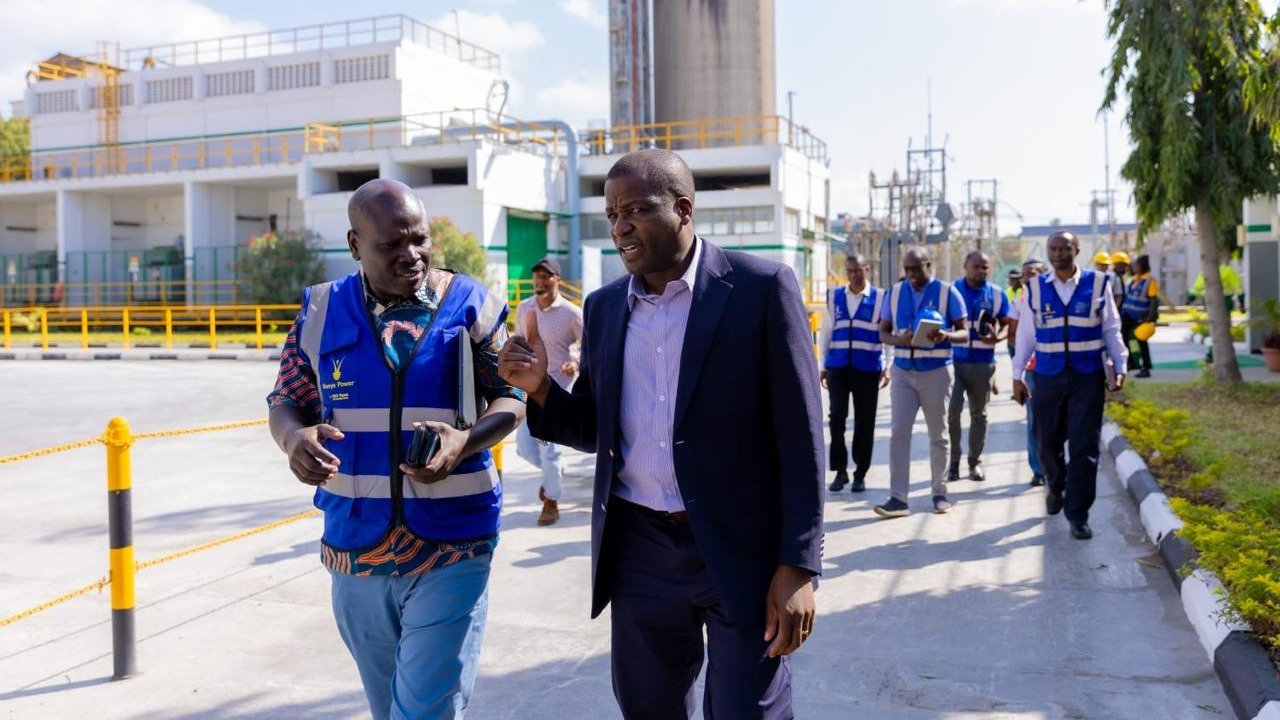
Bamburi Cement has reaffirmed its commitment to working more closely with the Kenya Power and Lighting Company (KPLC) to strengthen electricity reliability and back sustainable industrial growth along the Coast.
The two companies sealed that commitment at a high level meeting held at Bamburi’s Mombasa Plant. Bamburi’s leadership team, headed by CEO Geoffrey Ndugwa, sat down with KPLC’s team, led by Managing Director and CEO Dr. Eng. Joseph Siror, to map out ways to improve power stability and operational resilience for Kenya’s manufacturing sector.
Why Reliable Power Matters To Bamburi
Bamburi Cement ranks among Kenya’s largest industrial power consumers, and a steady electricity supply keeps its plants running and its manufacturing output on schedule. The Mombasa meeting gave both organisations room to discuss practical steps and pinpoint areas where tighter collaboration could sharpen power reliability and boost operational efficiency.
Ndugwa framed the stakes plainly. Reliable energy infrastructure, he said, underpins the competitiveness and long term sustainability of Kenya’s manufacturing sector.
“A reliable and stable power supply is fundamental to the growth and competitiveness of industry,” Ndugwa said. “Our engagement with KPLC provides an important platform to explore practical solutions that can strengthen power reliability, improve operational resilience and support sustainable industrial growth, particularly in the Coast region. We value this partnership and look forward to deepening our collaboration.”
Both sides agreed to keep the conversation going, with a shared goal of unlocking more reliable power for manufacturers and other industries expanding across the Coast.
KPLC Points To Growing Industrial Demand
Siror echoed that view from the utility’s side, pointing to the Coast region’s rising pull on investment and industrial capacity.
“Strong partnerships with major industrial customers such as Bamburi Cement are critical to strengthening the reliability and quality of electricity supply,” Siror said. “As the Coast region continues to attract investment and expand its industrial base, we recognise the importance of ensuring that our network is able to support this growth.”
Power supply has long shaped Bamburi’s operations in the region. The company has already leaned on renewable sources near its plants, including solar installations built with power producer MOMNAI Energy, to cut costs and reduce its exposure to grid disruptions. The renewed engagement with KPLC builds on that same push for a steadier and more resilient energy base.
A Business On The Rebound
The partnership lands as Bamburi Cement posts a strong financial half. The company’s H1 2026 results, released for the period ending in June, show turnover climbing 20.2 percent year on year to KES 13.72 billion, while operating profit surged 72.5 percent to a record KES 2.05 billion as revenue growth outran rising costs.
Profit after tax rose 58.7 percent to KES 1.37 billion, and earnings per share grew at a similar pace to KES 3.78. Finance income nearly tripled, up 193.8 percent to KES 141.0 million, pushing profit before tax up 77.2 percent to KES 2.19 billion. Total comprehensive income climbed 75.8 percent to KES 1.62 billion.
The balance sheet strengthened too. Total assets grew 5.7 percent to KES 33.76 billion, and equity attributable to owners rose 5.6 percent to KES 30.34 billion. Cash and short term deposits jumped 18.5 percent to KES 9.50 billion, reflecting improved profitability and tighter working capital management. The board did not declare an interim dividend.
Bamburi’s improved performance follows a leadership transition earlier in 2026, when Ndugwa took over as CEO from Mohit Kapoor and the company pressed ahead with a major clinkerisation project in Kwale County aimed at doubling production capacity. That expansion, backed by parent company Amsons Group, makes a dependable power supply along the Coast even more important to Bamburi’s plans.
For now, both Bamburi and KPLC say they intend to keep talking, betting that closer coordination between one of the country’s biggest cement makers and its national utility can help steady the grid for the industries the Coast region is trying to attract.
