


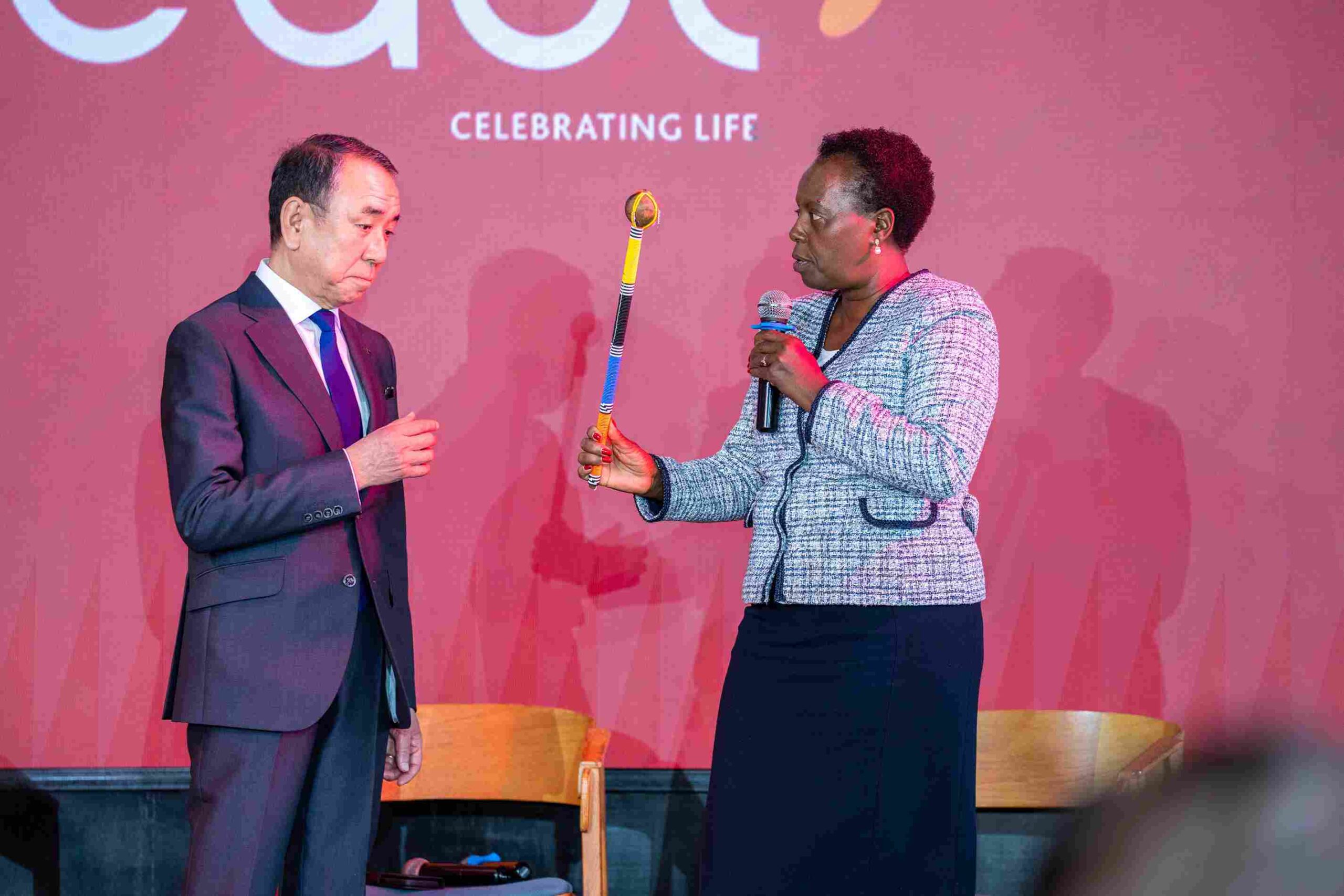
Kenya’s High Court has thrown out a third attempt to derail Diageo’s sale of its East African Breweries stake, leaving the $2.3 billion deal with only one regulatory hurdle left to clear.
Justice Gregory Mutai refused to grant conservatory orders sought by JILK Construction Limited, which wanted the court to stop, restrain or preserve the transaction between Diageo PLC and Japan’s Asahi Group Holdings for the transfer of majority shareholding in EABL. The ruling lands roughly six months after Asahi agreed in December to buy Diageo’s entire 65 percent stake in EABL for KES296.4 billion, a deal that will end Diageo’s last direct beer business on the continent and stands as the largest African investment ever made by a Japanese brewer.
A Contractor’s Old Grievance, Not a Shareholder’s Claim
JILK’s fight stems from a payment dispute with EABL subsidiary Kenya Breweries Limited that dates back to 2019, when JILK sought payment for construction work at the Kisumu Brewery.
That dispute went to arbitration, but KBL pulled the plug after alleging it uncovered collusion between the arbitrator and JILK. According to the company, this collusion inflated the disputed amount from KSh163 million to KSh2.4 billion, a fact Justice Mutai weighed heavily when assessing whether JILK had any real stake in the share transaction it wanted frozen.
The judge found that JILK’s claims could still be heard even if the Diageo Asahi deal proceeds, so there was no need to halt the sale to protect them. He also noted a simple but decisive point: JILK does not claim ownership of the EABL shares being sold, nor does it seek payment out of the sale proceeds. Diageo, the judge added, had not been shown to be disappearing or becoming unreachable once the transaction closes. EABL and KBL will remain in existence regardless of the outcome, and should Asahi become the majority shareholder, it will answer to the same Kenyan regulatory and legal processes as Diageo does now.
Human Rights Argument Falls Flat
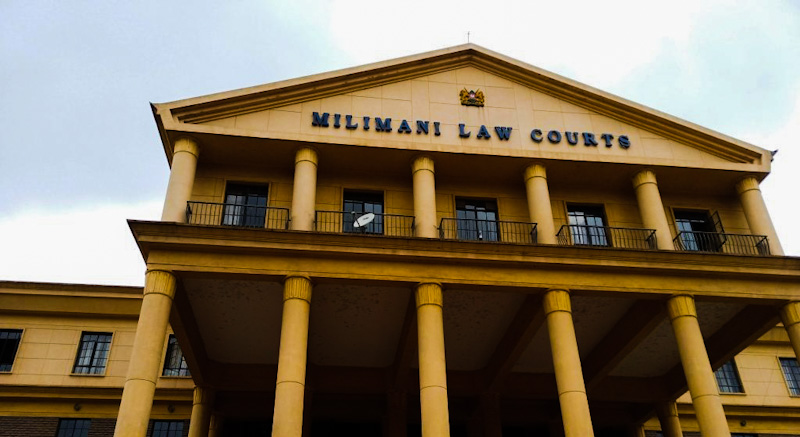
JILK also leaned on the United Nations Guiding Principles on Business and Human Rights to argue the deal should be paused. Justice Mutai while he acknowledged the principles carry importance, he ruled that the court was not persuaded they qualify as binding rules of international law or as a ratified treaty, and so they could not anchor an order to freeze the transaction.
The judge went further, finding that the public interest actually favours letting the deal close, given its significant impact on public finances.
The Bia Tosha Case
Justice Mutai’s reasoning leaned directly on an earlier ruling involving distributor Bia Tosha Distributors Limited, the first party to challenge the deal in court. He agreed with that earlier finding that no sufficient connection had been shown between Bia Tosha’s historical dispute and the share transaction itself, a principle that applied just as cleanly to JILK’s case.
Bia Tosha’s own campaign against the deal has since collapsed. After the High Court dismissed its bid for conservatory orders in April, the distributor withdrew the core of its case entirely in May. Senior Counsel Kiragu Kimani, acting for Bia Tosha, told the court his client was prepared to abandon its Further Amended Petition dated 30 January 2026, along with the expert reports and affidavits built around it. The judge marked that petition as withdrawn and ordered the related documents struck from the record.
That move stripped away Bia Tosha’s attempt to block the sale of Diageo’s 65 percent stake, a transaction that changes EABL’s majority shareholder rather than the company itself. What remains is a far narrower fight: a petition originally filed in June 2016 over the termination of exclusive distribution routes in Nairobi and a claim to recover about KSh38.3 million paid as goodwill. Lawyers for EABL and Diageo, Senior Counsels Kamau Karori and George Oraro, welcomed the retreat, saying their clients wanted to finally close out the longest running matter on the Constitutional Division’s docket.
The court set a tight schedule to keep the case moving. Respondents have 14 days to file responses limited strictly to the 2016 petition, after which Bia Tosha gets 10 days to reply. Several pending applications, including contempt motions, will sit on hold so they do not slow the main hearing. A mention is set for July 2, with the substantive hearing locked in for July 20.

EABL Welcomes the Ruling
EABL issued a statement on the day of the judgment, framing the outcome as vindication of a process it says it has followed properly throughout.
“As a responsible listed company, EABL has at all times respected the Court process,” the company said. “We have defended, and will continue to defend, these matters through lawful channels.”
The brewer also pointed to the judge’s own comments on the stakes involved, noting that the court had reiterated the deal’s significant public interest and public finance implications, given EABL’s role as a major contributor to Kenya’s economy and a leading taxpayer and employer.
The transaction has received full and unconditional approvals in Uganda and Tanzania, leaving the Competition Authority of Kenya as the last outstanding regulator still to sign off. EABL was direct about what it makes of the latest court defeat for its challengers: in light of the ruling, the company said, it is clear that unrelated historical disputes should not be used to delay or derail a transaction of such significant public and economic interest.
Where the Three Cases Stand
| Petitioner | Filed | Latest outcome |
|---|---|---|
| Bia Tosha Distributors | January 2026 | Conservatory orders dismissed in April; core petition withdrawn in May, leaving only a narrow 2016 distribution dispute |
| JILK Construction (with three petitioners) | May 2026 | Conservatory orders declined |
| JILK Construction | June 2026 | Conservatory orders declined |
What Happens Next
With three separate legal challenges now turned back and regional regulators in Uganda, Tanzania and the East African capital markets space already on board, the deal’s path runs through a single remaining checkpoint: merger clearance from the Competition Authority of Kenya. The transaction announced in December is expected to close in the second half of 2026.
For a deal of this size, the courts have sent a consistent signal. Old commercial disputes, however serious, do not automatically earn the power to freeze a separate corporate transaction, particularly one the judge himself called a matter of significant public finance interest. Diageo and Asahi now head into the final stretch with the legal noise largely cleared, and Kenya’s brewing industry watches to see what a Japanese controlled EABL looks like.
