



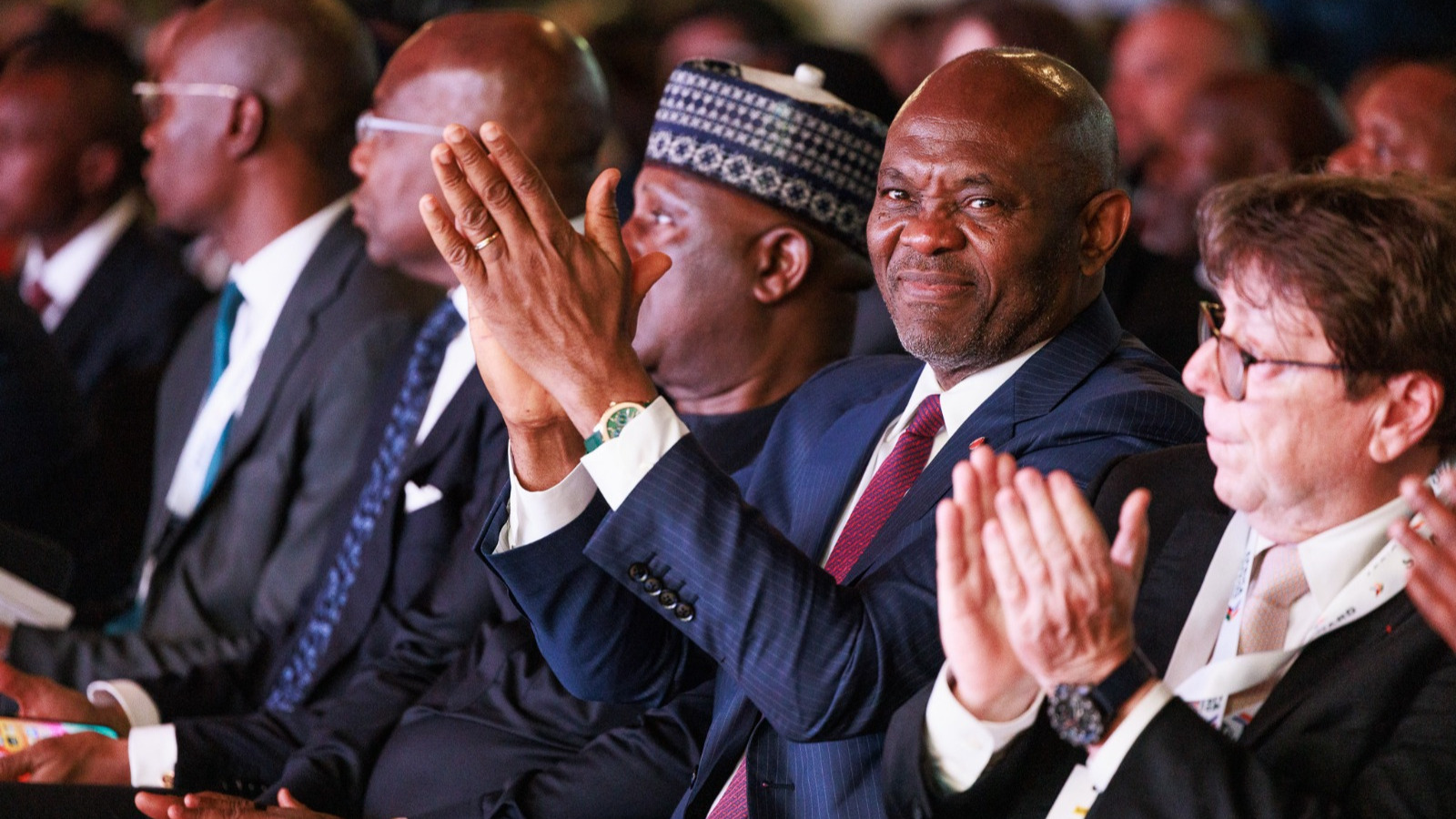
United Bank for Africa (UBA) took a prominent seat at the Africa Forward Summit 2026 in Nairobi, using the platform to advance its vision of a continent built on enterprise, trade and purposeful global partnerships.
The summit, themed “Africa–France Partnerships for Innovation and Growth” and co-hosted by Kenyan President William Ruto and French President Emmanuel Macron on 11 and 12 May 2026, drew approximately 30 African heads of state, more than 3,000 delegates, investors and business leaders from across Africa and Europe. Macron used the occasion to announce €23 billion ($27 billion) in combined investment commitments directed at energy transition, agriculture and artificial intelligence, pledging that the packages would create 250,000 jobs across France and Africa.
Against that backdrop, Tony O. Elumelu, Chairman of UBA Group, delivered a message that cut through the diplomatic register.
“Africa’s future will not be built by aid, but by entrepreneurship, investment, and bold partnerships,” Elumelu said.
He pressed the case for the private sector as the primary driver of continental development, arguing that durable economic growth depends on coalitions between governments, financial institutions, development partners and business — coalitions capable of unlocking capital, strengthening infrastructure and expanding trade at scale.
The summit marked France’s first major gathering co-hosted with an English-speaking African country, a signal that the Africa-France relationship is reorienting toward a broader set of partners and a different model of engagement. Macron described sovereignty as central to the new partnership France seeks to build with Africa. Elumelu’s framing complemented that shift: less aid dependency, more investment architecture.
A bank built for the continent’s scale
The summit gave UBA a platform to reinforce what it already does operationally. The bank runs across 20 African countries and maintains an international presence in the United Kingdom, France, the United States and the United Arab Emirates, connecting African businesses to global capital while providing international investors with structured access to the continent’s expanding markets.
Its trade finance operations, cross-border payment infrastructure and digital banking platforms make it a working part of the machinery that the African Continental Free Trade Area (AfCFTA) depends on. UBA’s footprint means it does not just attend conversations about intra-African trade — it processes it.
The bank also pressed the summit on the wider agenda: industrialisation, infrastructure, youth employment and digital transformation all require African and international institutions to operate in closer alignment than they currently do. That alignment, UBA argued, is where the real bottleneck lies.
What the summit signals for African finance
The Africa Forward Summit confirmed what practitioners in African finance have long argued: the continent’s growth story will be financed privately, not publicly. France’s total development aid is projected to fall to 0.38% of gross national income in 2026, well below the 0.7% target it set in 2021 and has since effectively abandoned. The investment commitments announced in Nairobi are largely private sector pledges, which moves both the credit and the execution risk away from the state.
For UBA, that shift represents an opportunity, not a challenge. A bank with 45 million customers, operations across 20 African markets and the infrastructure to move money across borders is precisely what entrepreneurs and investors need when aid recedes and private capital steps forward.
The next generation of African entrepreneurs will need financial partners who understand the terrain. UBA’s case, made plainly in Nairobi, is that it already does.
United Bank for Africa (UBA) Plc is a pan-African financial institution serving more than 45 million customers across 20 African countries and international financial centres in the United Kingdom, the United States, France and the United Arab Emirates. The bank provides retail, commercial and institutional banking services, supporting financial inclusion, trade and economic development across the continent.
