


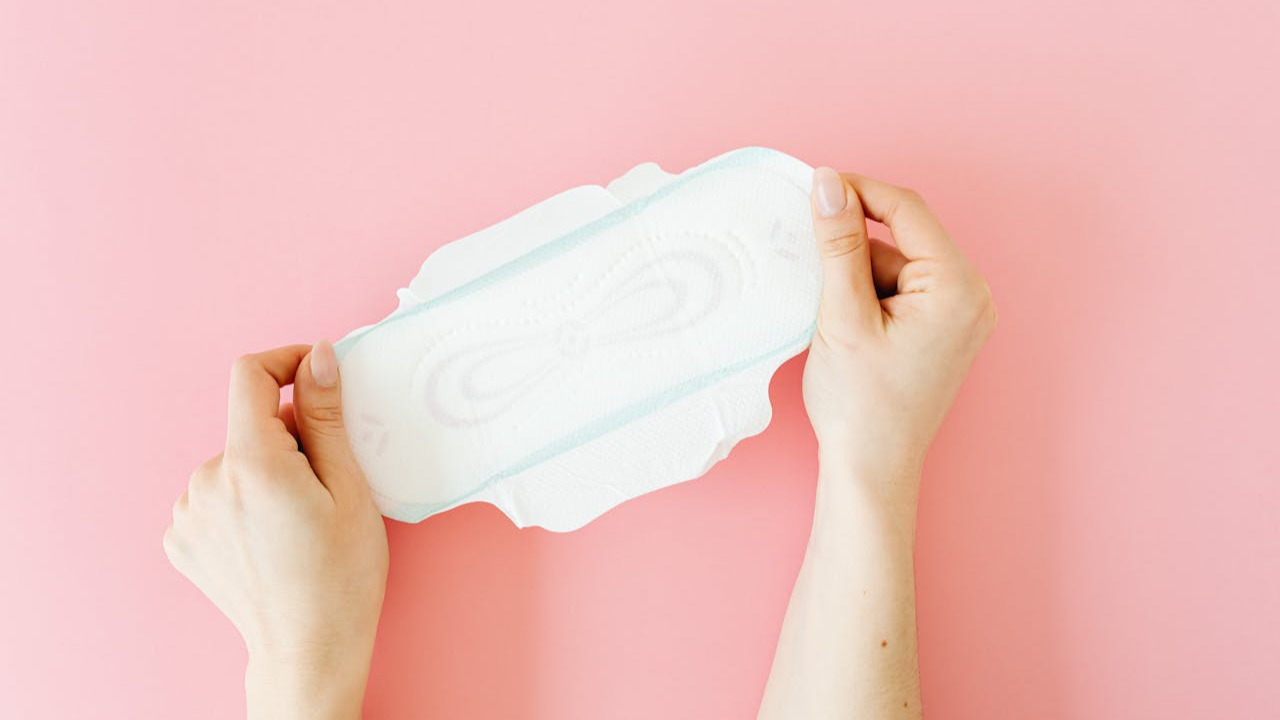
Three major corporations are joining forces to manufacture and sell feminine hygiene products in Kenya, building on sales that have already outpaced their own expectations and targeting a market where only three in ten women currently use sanitary pads.
Toyota Tsusho Corporation, CFAO Kenya Limited and Japan’s Unicharm Corporation have formally notified the COMESA Competition Commission of their intention to establish Sofy East Africa Limited, a joint venture company to be incorporated in Nairobi. The new company will manufacture and sell feminine hygiene absorbent products, including disposable sanitary pads, tampons, pantyliners and reusable pads, with an eye on export to neighbouring countries. The venture carries a planned capital of 2 billion Kenyan shillings — approximately 15.44 million US dollars.
The Commission published its inquiry notice on 28 March 2026 under Article 26 of the COMESA Competition Regulations.
How the Partnership Began
The relationship between Toyota Tsusho and Unicharm in Kenya did not start with this announcement. In 2023, CFAO Kenya and Unicharm began importing and selling SOFY Deep Absorb, a premium sanitary napkin produced at Unicharm’s Egypt plant, targeting hiher-income consumers. That was followed by a more significant step: in January 2025, the two companies commenced local production and sales of SOFY Long Lasting, a product designed to combine reliable quality with an affordable price point.
The results exceeded their projections. Strong sales of the Sofy Long Lasting napkin convinced Unicharm that Kenya warranted a permanent, locally rooted structure — one capable of integrating product development, production, sales and marketing under a single company rather than managing each function separately.
The Market Opportunity
The business case rests on a striking gap. Sanitary pad penetration across Africa remains low, standing at around 30 percent in Kenya. That figure means roughly seven in ten Kenyan women do not currently use sanitary pads — a public health and social reality that the joint venture aims to address through affordable, locally produced products.
A Unicharm official said the company hopes to contribute to the advancement of women in society across Africa, framing the venture as both a commercial opportunity and a social commitment.
What the Joint Venture Will Do
Sofy East Africa Limited will operate across four areas. On the production side, the company plans to optimise production efficiency with a view to introducing in-house production facilities in the future, while maintaining a stable supply system through outsourced production. It also intends to expand trials by reducing the unit purchase price per pack through the use of sachet products.
For distribution, the venture will expand sales channels in both general trade and modern trade by utilising CFAO Kenya’s distribution network.
On marketing, the focus falls on storefront brand visibility and local talent development, with plans to strengthen training of marketing personnel in Kenya and increase brand awareness through advertising development.
The longer ambition reaches beyond Kenya’s borders. The companies promote a regional strategy with a view to export to Kenya’s neighbouring countries, with the Sofy East Africa name chosen deliberately to signal that intent.
Who Owns the New Company
Unicharm holds a 75 percent stake in Sofy East Africa Limited, with Toyota Tsusho holding the remaining 25 percent. The company is headquartered in Nairobi, with the two partners targeting a December 2025 launch date.
Who the Three Companies Are
Toyota Tsusho operates across East Africa as a general trading company with roots in automotive logistics, industrial equipment, agricultural supplies and chemicals. It also pursues growth in energy, infrastructure and information technology. Within the Common Market, it operates in the DRC, Kenya, Madagascar, Malawi, Mauritius, Rwanda, Uganda, Zambia and Zimbabwe.
Unicharm, incorporated under Japanese law, manufactures hygiene and personal care products for people across every stage of life. Its core ranges cover feminine hygiene absorbents, baby hygiene products, wellness products for older people and commercial food packaging materials. The company operates in the Common Market across the DRC, Egypt, Kenya, Libya, Rwanda and Sudan.
CFAO Kenya forms part of the Toyota Tsusho group and works across agriculture, consumer goods, infrastructure and energy in Kenya.
The Social Case Behind the Business
Both companies frame the venture in terms that go beyond commercial returns. Unicharm President and CEO Takahisa Takahara said the goal is to realise a society in which all people can live with peace of mind through the popularisation of sanitary products in the African market, adding that the joint venture would combine Toyota Tsusho’s network with Unicharm’s technological capabilities to build a more locally rooted business.
Toyota Tsusho President and CEO Toshimitsu Imai said the venture fits within the company’s “With Africa for Africa” philosophy, which targets development across all 54 African countries through mobility, green infrastructure, healthcare and consumer goods. He said formalising the joint venture would contribute to the improvement of the sanitary environment, support for women’s social advancement, and the revitalisation of local economies.
The COMESA Competition Commission now proceeds with its inquiry under Article 26 of the Regulations.
