


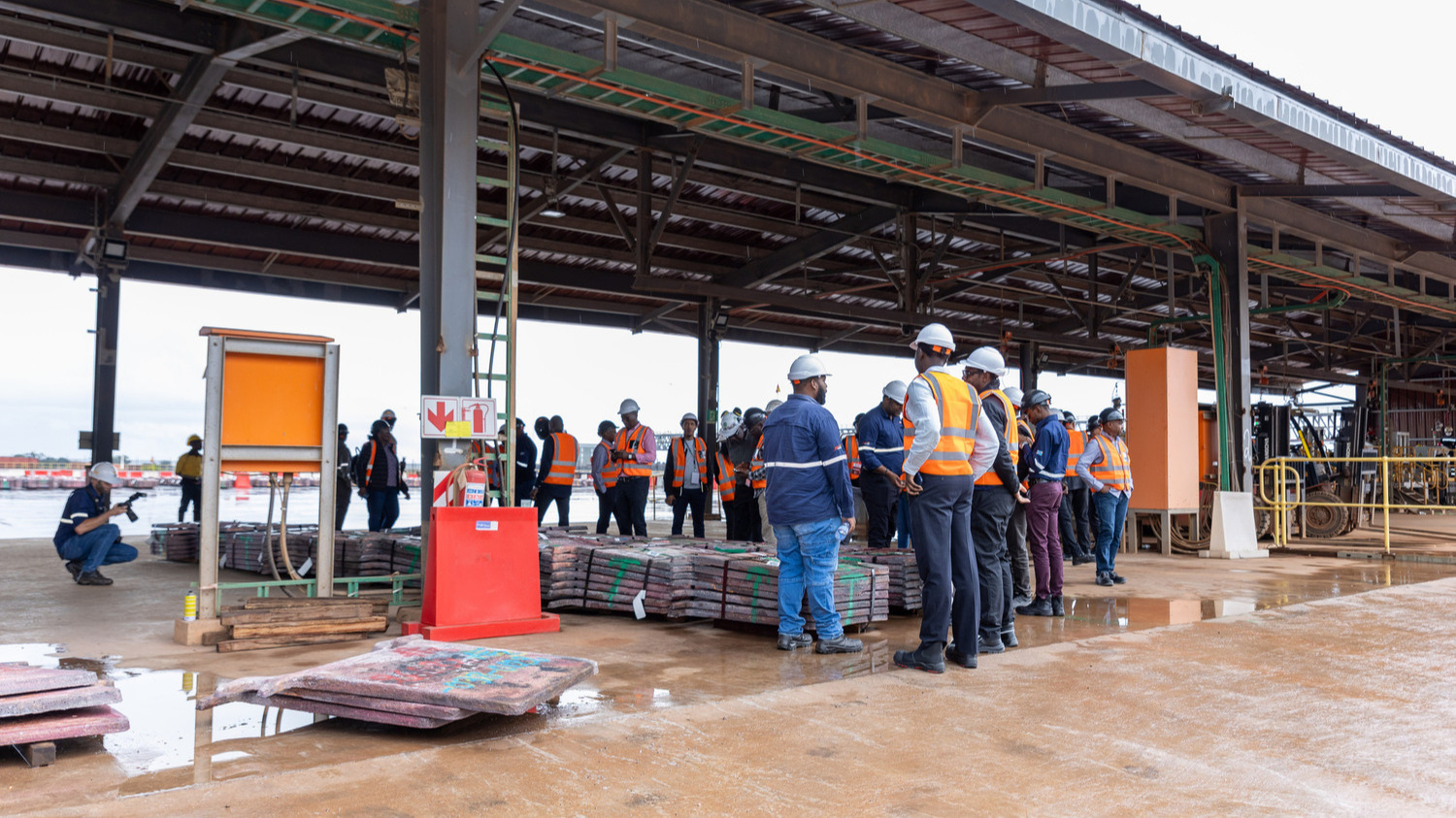
More than 50 executives from 16 countries spent seven days on the ground in southern Democratic Republic of Congo and came back with something concrete: named contacts, confirmed meetings, and deals moving toward signature.
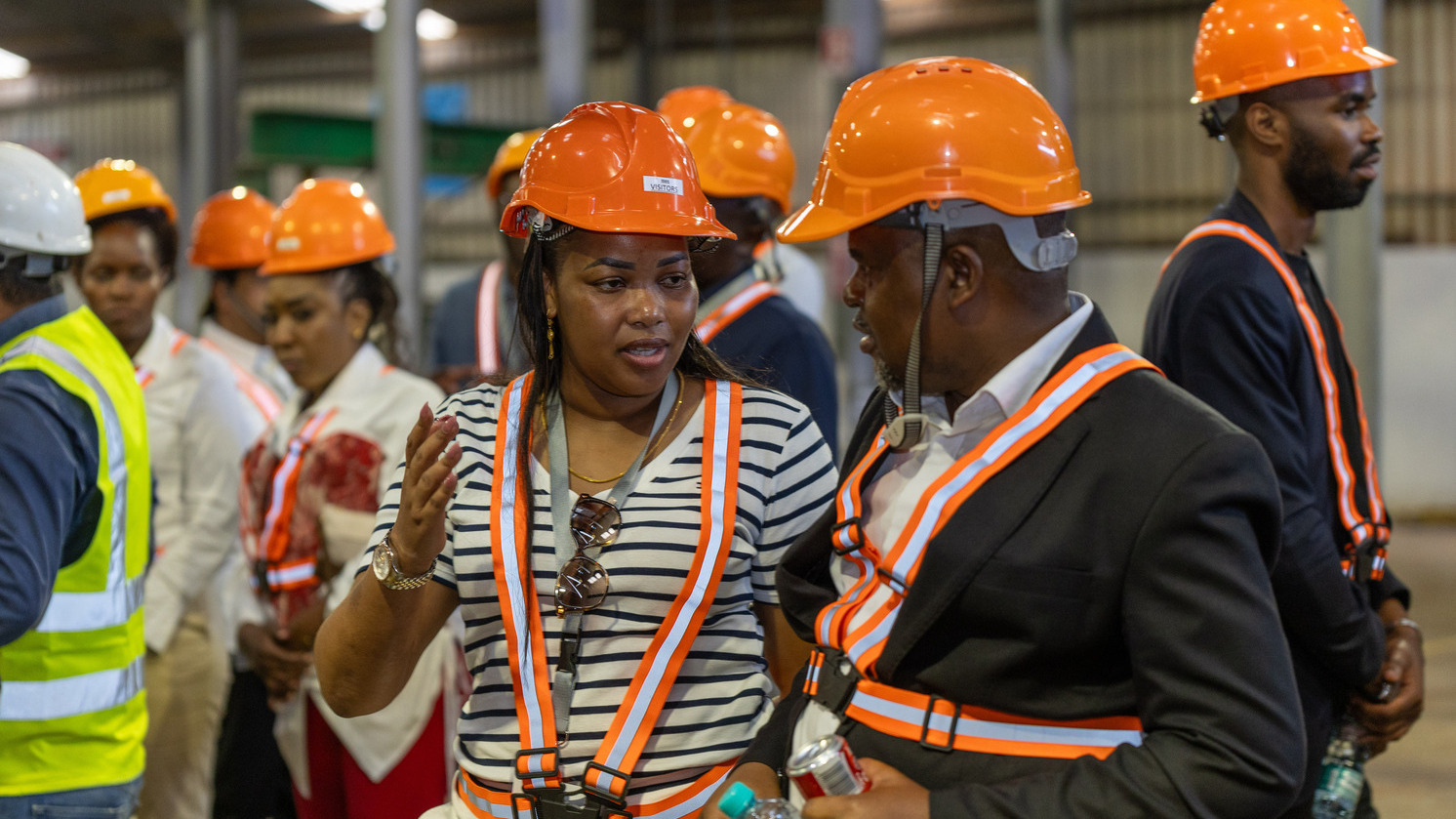
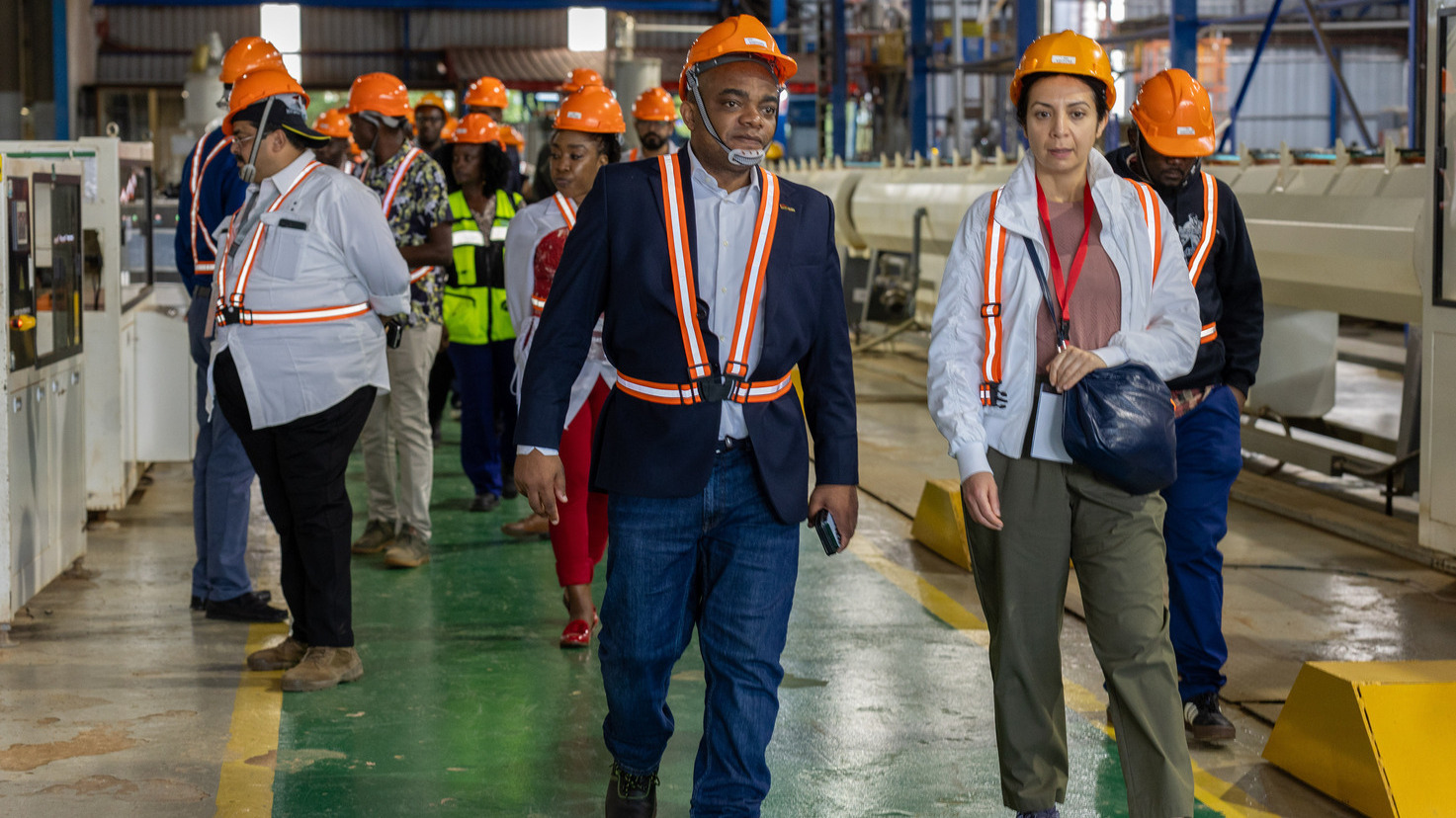
The delegation, organised by Equity Group, travelled through Kolwezi, Lubumbashi and Likasi. Participants came from Kenya, Uganda, Tanzania, South Sudan, Burundi, South Africa, Zimbabwe, Congo Brazzaville, Eritrea, Lebanon, the UAE, India, Pakistan, Sri Lanka, Poland, Germany and the United Kingdom. Site visits covered the Kamoa-Kakula Copper Complex, CMOC Group’s DRC operations, the Agro-industrial Development hub in Kolwezi (DAGRIL) and the newly built Lualaba International Airport.
Two Infrastructure Shifts Rewrite the Logistics Math
Two developments drew the most attention from logistics and supply chain players. The Lualaba International Airport and the Lobito Corridor, which connects the copper belt to Atlantic ports through Angola and Namibia, together cut the time and cost of moving goods into one of Africa’s most supply-constrained regions.
Klaus Buttner, who leads EMEA operations at the Alberta United Kingdom Office, High Commission of Canada, called the combination a turning point. Better air and corridor links will reduce turnaround times for critical shipments and bring more reliability to perishables and medical supplies, he said.
The Energy Gap Is the Biggest Opening
At Kamoa-Kakula, delegates toured an underground mine, a concentrator and a newly commissioned smelter with capacity exceeding 500,000 tonnes of copper anodes per year. CMOC Group, one of the world’s leading copper and cobalt producers, runs large complexes in the DRC that consume fuel, parts and services at industrial scale. That volume drives demand for depots, cross docking, warehousing and fleet services across Kolwezi and its feeder roads.
But energy remains the binding constraint. Fuel distribution across Katanga and Lualaba has not kept pace with demand from mines, transport operators and construction firms.
“Katanga and Lualaba continue to experience an unsteady fuel supply chain, coupled with rapidly growing demand,” said Ambrose Mwachilumo, CEO of Pyxida OLAM.
Elda Shaidi, Sales and Business Development Manager at Epson Energy Tanzania, put it plainly: “The region’s energy gap is relatively huge. We see opportunities in fuel depots, last mile distribution, storage infrastructure and lubricants, and we are planning to expand into the DRC.”
The Regulatory Environment Has Improved
Lualaba’s investment framework now includes duty and VAT exemptions on eligible equipment under the enhanced Mining Code, and a ten-year fiscal stability clause covering taxes, royalties and duties. That certainty improves cash flow forecasting and makes it easier to finance storage, handling and fleet assets over the long term.
Healthcare and Food Are Following the Population
As mining towns grow, essential services are drawing capital. Catherine Otieno, Director of Pharmacy at Prodigy Healthcare, visited Mupanja Hospital during the mission and came away with a clear view. “Given the growth around Kolwezi, investing in medical equipment and supplies is worth considering,” she said.
On the food side, bulk demand from industrial camps and retail outlets is attracting suppliers. Fridah Gichobi, Export Development Manager at Brookside Dairy, identified the copper belt as a key expansion market for long-life milk. “Bulk buyers such as large mines, supermarkets and wholesalers require reliable warehousing and route to market,” she said.
DAGRIL is expanding its agri-processing operations, covering maize and animal feeds, and is inviting partners to co-invest in storage and distribution hubs around Kolwezi as faster cargo routes cut lead times further.
Manufacturing Capacity Takes Centre Stage
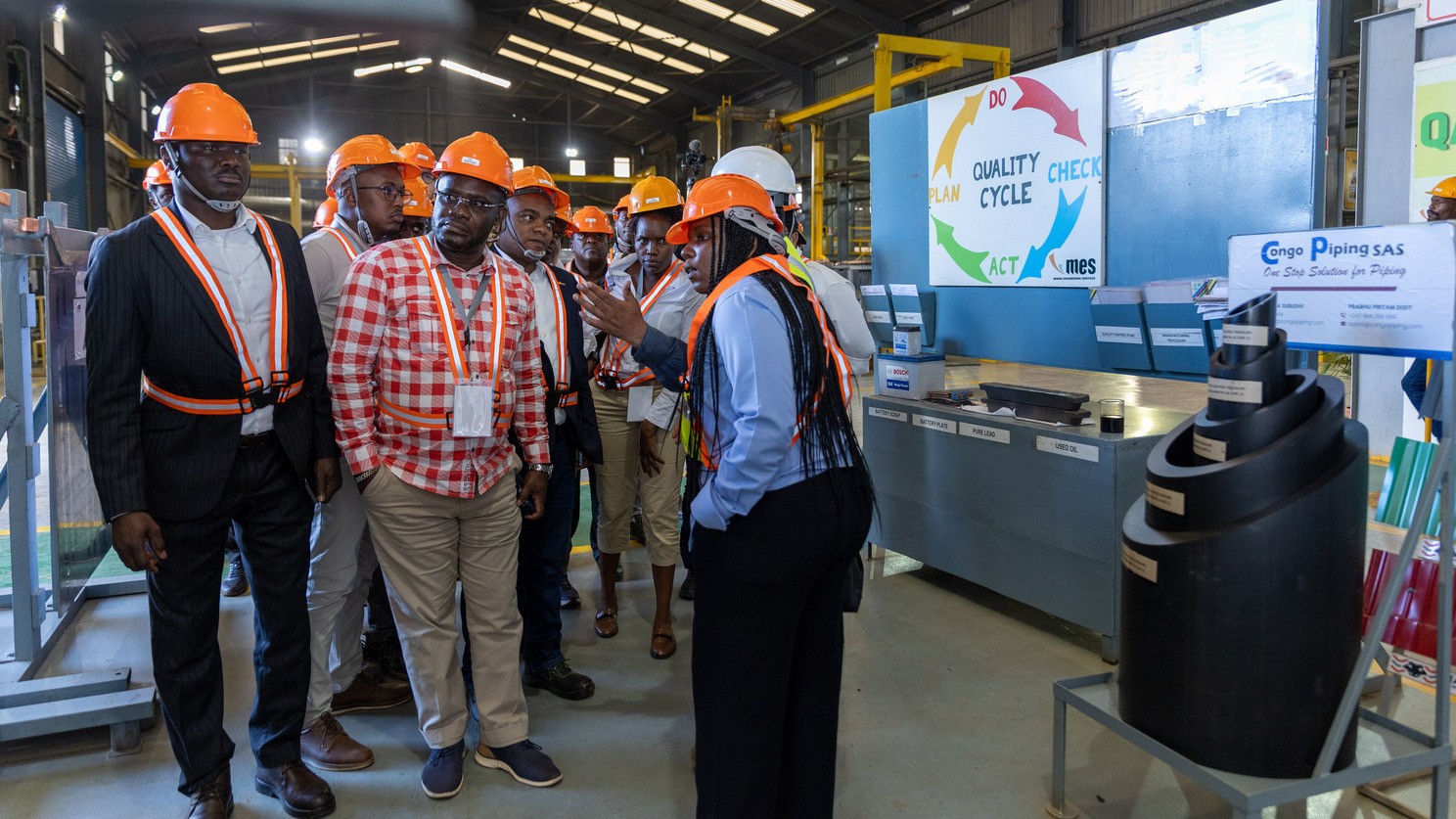
At MES Holdings, an industrial complex under the Vinmart Group in Lubumbashi, delegates reviewed a full range of services: project management, power generation, civil construction, manufacturing, waste management, equipment rental and underground mining support. The complex includes a cathode refurbishment plant, a high-density polyethylene pipe manufacturer, a cables and transformers business and a roofing sheets company.
CFO Sanjeev Jha said the group owns ten major mining sites and provides skilled labour across mining operations and maintenance. Chairman Chetan Chug pointed to sustainability: MES runs recycling plants for copper and lead scrap, used batteries and oil.
Hyper Psaro Group presented its footprint across fuel and lubricants, commodity trading, farming, transport and fast-moving consumer goods. The company holds distribution licences from Unilever, Nestlé and Coca-Cola, manufactures its own consumer products and is converting six supermarkets in Kinshasa and Lubumbashi into Carrefour-branded outlets.
Equity BCDC Structured the Finance
Equity BCDC laid out funding options for market entry, covering trade finance, foreign exchange and cash management. “We are showing investors a complete ecosystem, from mining to manufacturing, agriculture, logistics and infrastructure, and we will back working capital and asset needs,” said Paty Paterne Mushagalusa, Associate Director for Commercial Projects at Equity BCDC.
Mpofu Vusi, Equity Group Director for Mining and Extractives, framed the mission’s purpose simply: “Our goal as Equity is to connect capital to opportunity. When you visit the mines, the farms, the factories and the roads, you begin to see the real opportunity.”
The National Agency for Investment Promotion (ANAPI), the Fédération des Entreprises du Congo (FEC) and local chambers briefed delegates on registration, incentives and repatriation guarantees, helping convert interest into formal business pipelines.
Participants Left With Pipelines, Not Just Impressions
Dimitry Ohou, Country Manager for Congo Brazzaville at Petropipe Oil and Gas, summed up what separated this trip from a standard conference. “I have built some business bridges from this mission, with more than four promising opportunities after B2B meetings facilitated during the visit,” he said.
For most of the delegation, the week produced the one thing that makes follow-up worth doing: specific people, specific problems and a clear next step.
