


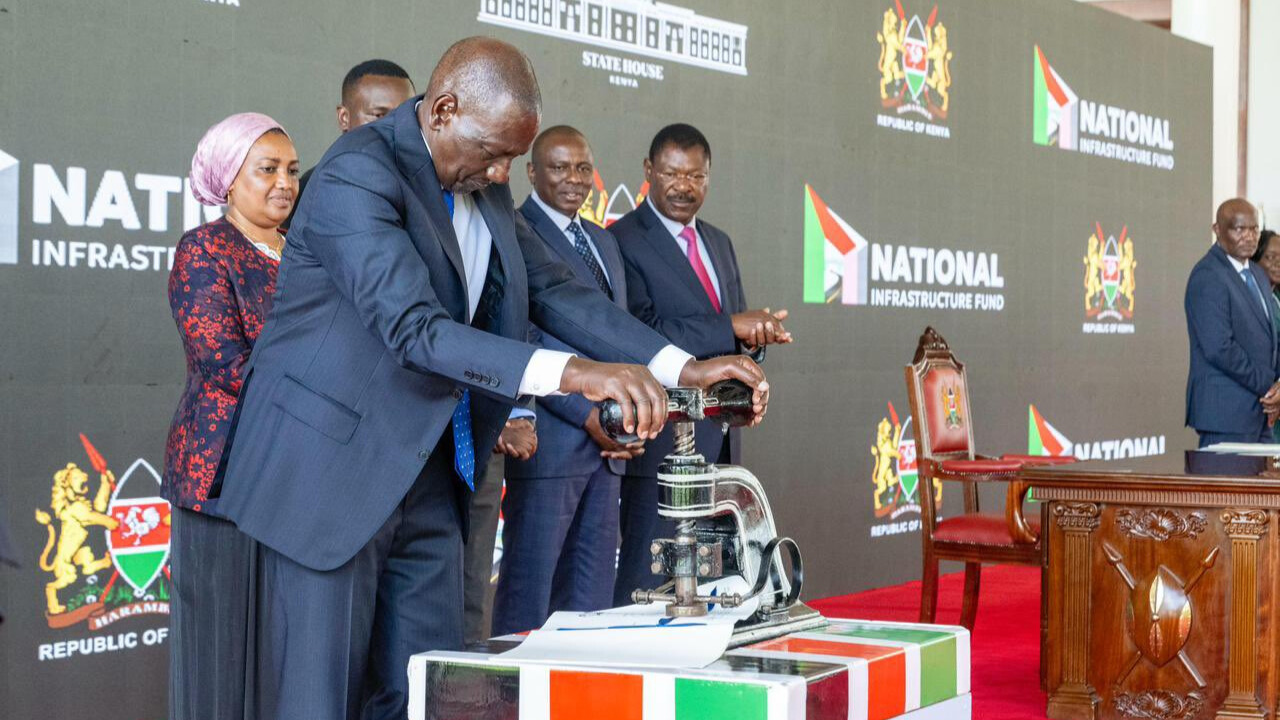
President William Ruto has signed the National Infrastructure Fund (NIF) Act into law, opening the door to Ksh.5 trillion in infrastructure spending on roads, railways, ports, airports, irrigation, and energy over the next decade.
The legislation, sponsored by National Assembly Majority Leader Kimani Ichung’wah, moves Kenya away from debt-dependent, budget-cycle financing toward a consolidated fund structured to pull in private capital alongside public money.
JKIA Gets First Call on the Money
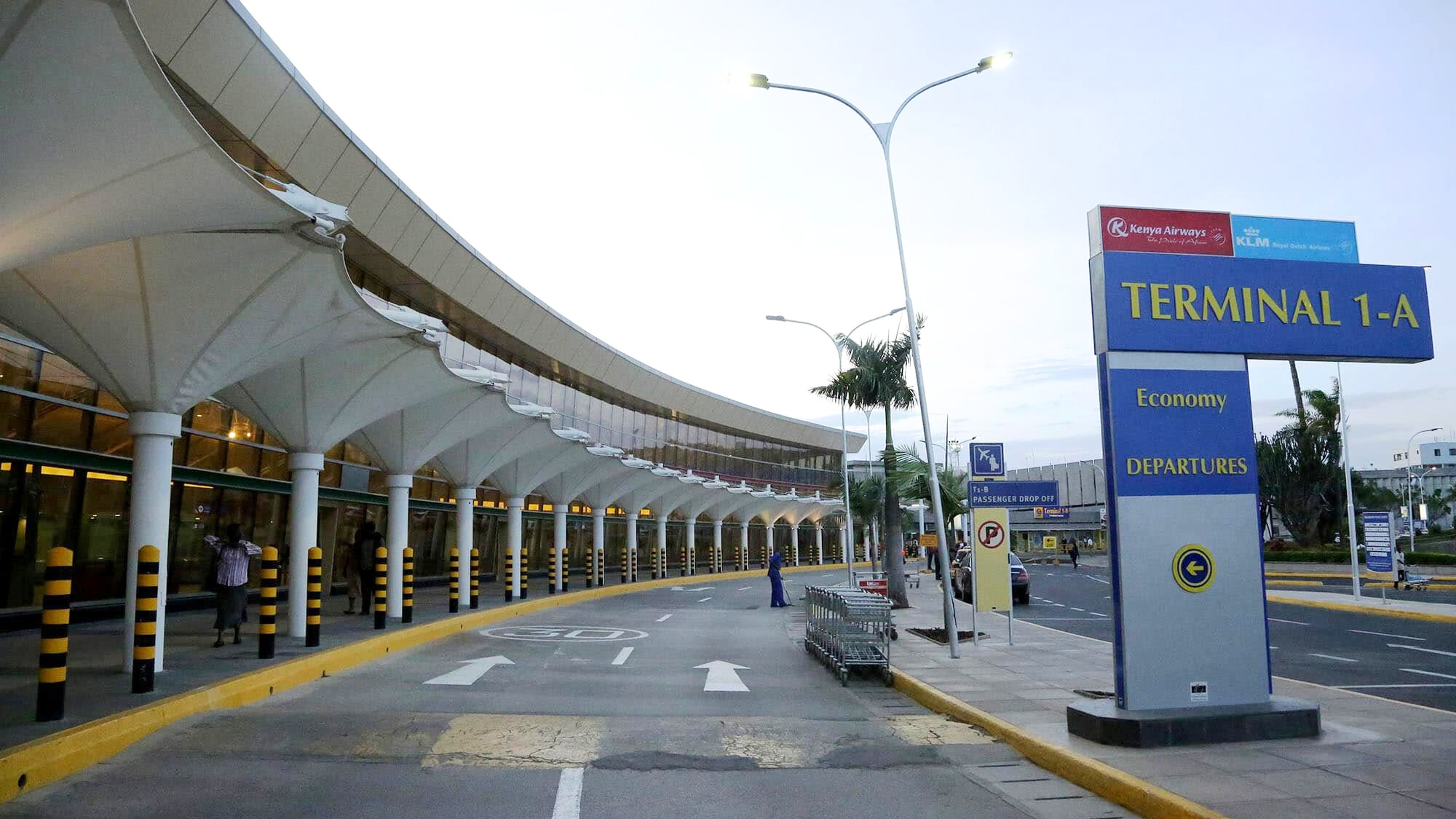
The Jomo Kenyatta International Airport expansion lands first in the queue. Between Ksh.15 billion and Ksh.20 billion — up to $155 million — will come from proceeds of the Kenya Pipeline Company (KPC) IPO, which raised Ksh.106.3 billion through the sale of a 65% government stake.
“The expansion of the Jomo Kenyatta International Airport will be the first major project financed through this new model of financing under the National Infrastructure Fund,” Ruto said.
The numbers explain why. JKIA handled an estimated nine million passengers in 2025, already past its original design capacity of 7.5 million. Traffic is projected to hit 22 million by 2045.
That pressure follows a false start. In November 2024, the government cancelled a proposed $1.85 billion expansion deal with India’s Adani Group, which had sought a 30-year lease in exchange for a second runway and upgraded terminal. The deal fell apart under public opposition, court challenges, and the U.S. indictment of Adani Group founder Gautam Adani on alleged bribery charges. The Kenya Airports Authority issued a fresh, open tender on March 3 under a design-and-build model.
The Fund’s Structure
The NIF functions as a corporate investment vehicle, not a government spending line. It can enter contracts, acquire property, and take or defend legal action independently. Money comes from government appropriations, bond issuances, investment returns, external financing, and private sector participation.
Ruto cited comparable funds as precedent — Nigeria (2011), Ghana (2014), India (2015), Canada (2017), the UK’s National Wealth Fund, and South Africa’s Infrastructure Fund.
Pension fund assets grew by Ksh.700 billion last year, a 25% rise, bringing the total pool to Ksh.2.81 trillion. The Fund is structured to channel a portion of that capital into infrastructure.
Who Runs It
The NIF board seats eight members: four competitively recruited independent directors, three public officers, and a CEO. A governing council sits above the board, led by Treasury CS John Mbadi and including Central Bank Governor Dr. Kamau Thugge and the Attorney General, plus six non-public members. The council sets investment policy and handles board appointments.
What Else Is in the Pipeline
Beyond JKIA, projects earmarked under the Fund include the Loosuk–Lessos power transmission line, the Galana-Kulalu irrigation scheme, the Rironi–Naivasha–Mau Summit highway, and the Standard Gauge Railway extension to Malaba.
Critics have raised legitimate questions. The Fund’s definition of “infrastructure” is wide, with no clear project selection criteria, which leaves room for political influence over what gets funded and when. Regional equity, ensuring money reaches counties beyond major urban centres, also needs sharper provisions in the law.
This is the most consequential infrastructure financing law Kenya has passed since the Affordable Housing Act of 2023. The KPC IPO proceeds give the Fund real money to start with. The JKIA tender, now open for competitive bids, is the first hard test of whether the model works or whether the gap between legislation and delivery, a familiar story in Kenyan infrastructure, reasserts itself.
