


Kenya has switched on its first Digital Sound Broadcasting (DSB) trial in Nairobi, marking a bold step into the future of radio.
The launch coincided with World Radio Day 2026, underscoring the enduring importance of radio as a medium that reaches nearly every household in the country.
Why Digital, Why Now
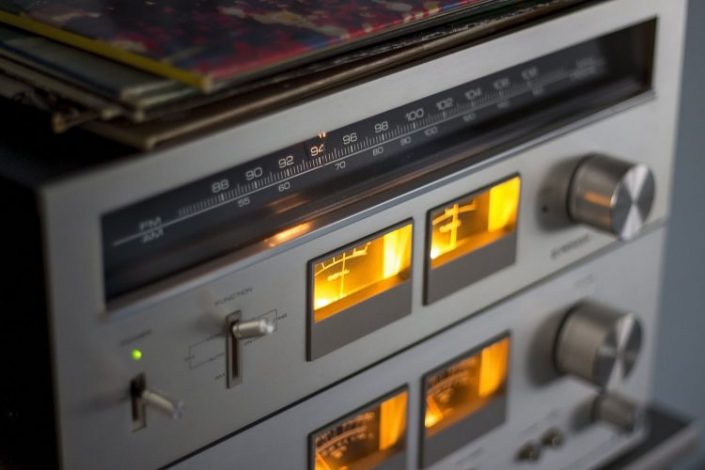
Radio remains Kenya’s most accessible platform, with 98% of homes tuning in and more than 300 licensed broadcasters on air. But FM frequencies in the VHF Band II (87.5–108.0 MHz) are overcrowded. This saturation has led to interference, limited space for new entrants, and compromised audio quality.
Digital Sound Broadcasting offers a solution. By moving into VHF Band III (174–230 MHz) and the HF band (30 MHz) through Digital Audio Broadcasting (DAB+) and Digital Radio Mondiale (DRM), Kenya can expand capacity, improve sound quality, and open the door to more diverse programming.
No Need to Replace Your Radio
According to the Communications Authority of Kenya (CA), listeners do not need to buy new radios to continue enjoying FM broadcasts. Existing sets already operate on the FM band between 87.5 and 108 MHz, which remains the standard frequency range for analogue FM broadcasting in most countries, including Kenya. This assurance means households can keep their current radios while digital services roll out gradually.
Building the Framework
The CA began laying the groundwork in 2023, developing a DSB framework after extensive consultations with broadcasters, distributors, equipment vendors, and government agencies. In 2025, CA authorized two licensees—Signet Signal Distributors Ltd and Mast Rental Services Ltd—to deploy trial networks.
By January 2026, Mast Rental Services had already launched a DAB+ trial network in Nairobi, carrying 14 radio programs. This activation represents a turning point for Kenya’s broadcasting sector.
Benefits for Broadcasters and Investors
Digital radio reshapes the economics of broadcasting. Multiple stations can share a single channel, dramatically lowering transmission costs. This model reduces barriers to entry and creates space for community broadcasters, who will gain reserved capacity at affordable carriage rates.
Separating content creation from signal distribution also allows broadcasters to focus on what matters most: producing compelling programming for diverse audiences. Investors, meanwhile, can tap into new revenue streams and wider coverage areas.
What Listeners Can Expect
For consumers, the upgrade means clearer sound, fewer interruptions, and more choice. Digital platforms can carry niche, regional, and thematic stations that were previously squeezed out of FM. Listeners may also enjoy value‑added features such as program guides and station information delivered directly to their receivers.
