


 A look at oral health reports from Kenya reveals the need for collective action by a wide range of stakeholders. These include the government, private sector, professional associations and communities.
If we are to address oral health issues sustainably, these stakeholders need to work together.
Mars Wrigley and Kenya’s First Oral Health Survey
In 2015, Mars Wrigley Kenya sponsored the country’s first National Oral Health Survey. The Ministry of Health, in partnership with the University of Nairobi, led the study. There was also support from other institutions such as KEMRI and WHO.
The survey provided the most comprehensive baseline data on oral health in Kenya. The findings helped highlight the scale of dental disease and, consequently, the shaping of national strategies for prevention and treatment.
Simple Habits, Big Impact on Public Well-being
Why should this be of significant concern, worthy of elevating oral health to a national priority? Simple really. Good oral health instils in people much more than just a beautiful smile. It leads to higher self-confidence and overall well-being.
It starts with early interventions to avoid more complex and, of course, costlier treatments later. And it gets better—simple habits such as regular brushing, flossing, and even chewing sugar-free gum can go a long way in achieving better oral health.
Vision 2030 and UHC: Time to Integrate Oral Health
To give credit where it’s due, Kenya has made great strides under the Vision 2030 health policy. The same applies to the Universal Health Coverage agenda. However, oral health needs to have more visibility in the same way other health priorities do.
This presents a fantastic opportunity for other players to step in and lend a hand in strengthening the existing strategies. This push will help make oral health a national conversation. It also creates room for innovation, outreach, collaborations and sustainable partnerships.
Public-Private Partnerships Deliver Tangible Results
We can already see the impact of such collaborations or partnerships. For instance, the Kenya Dental Association, in partnership with Mars Wrigley, has delivered tangible results. In 2023, over 1,000 Lamu residents in Faza, Mpeketoni, Shela and Shungwaya received free dental services.
The same happened during this year’s World Oral Health Day, when over 3,500 people across Narok, Makueni, and Nairobi Counties benefited from the collaboration.
Scaling Preventive Care Through Community Engagement
These are just examples of how public-private collaborations can help drive real change. Opportunities are plentiful—including awareness campaigns, product innovations, school outreach, or even funding for community programs.
The combined impact would be transformative. Such collective engagement would expand access to preventive care. Beyond that, it would help normalise conversations around oral health everywhere. Think classrooms, households, workplaces, policy tables, and so much more.
Oral Health as a Developmental and Economic Issue
Tackling oral health issues in Kenya needs a paradigm shift. It should no longer be just about the dental aspect of it. Rather, it is a larger developmental issue. Time away from class or work due to oral issues has a significant social and economic impact.
Untreated oral diseases have ripple effects in that they not only limit livelihoods but also strain family finances. With the multi-stakeholder approach, resources, networks and expertise can be pooled together to create scalable models. This would make it easier to reach millions of Kenyans, resulting in a healthier, more productive citizenry.
Multi-Stakeholder Action for Scalable Health Solutions
As a country, we can build momentum by integrating oral health into the broader health agenda. The same applies to education programs to teach young children its importance from an early age. Relevant stakeholders, including private companies and professional associations, need to give the government a helping hand.
And that means complementing the government’s efforts in expanding access, raising awareness and providing preventive care. Such actions will help align oral health with the goals of Vision 2030 and Universal Health Coverage.
Embedding Oral Health in Education and Policy
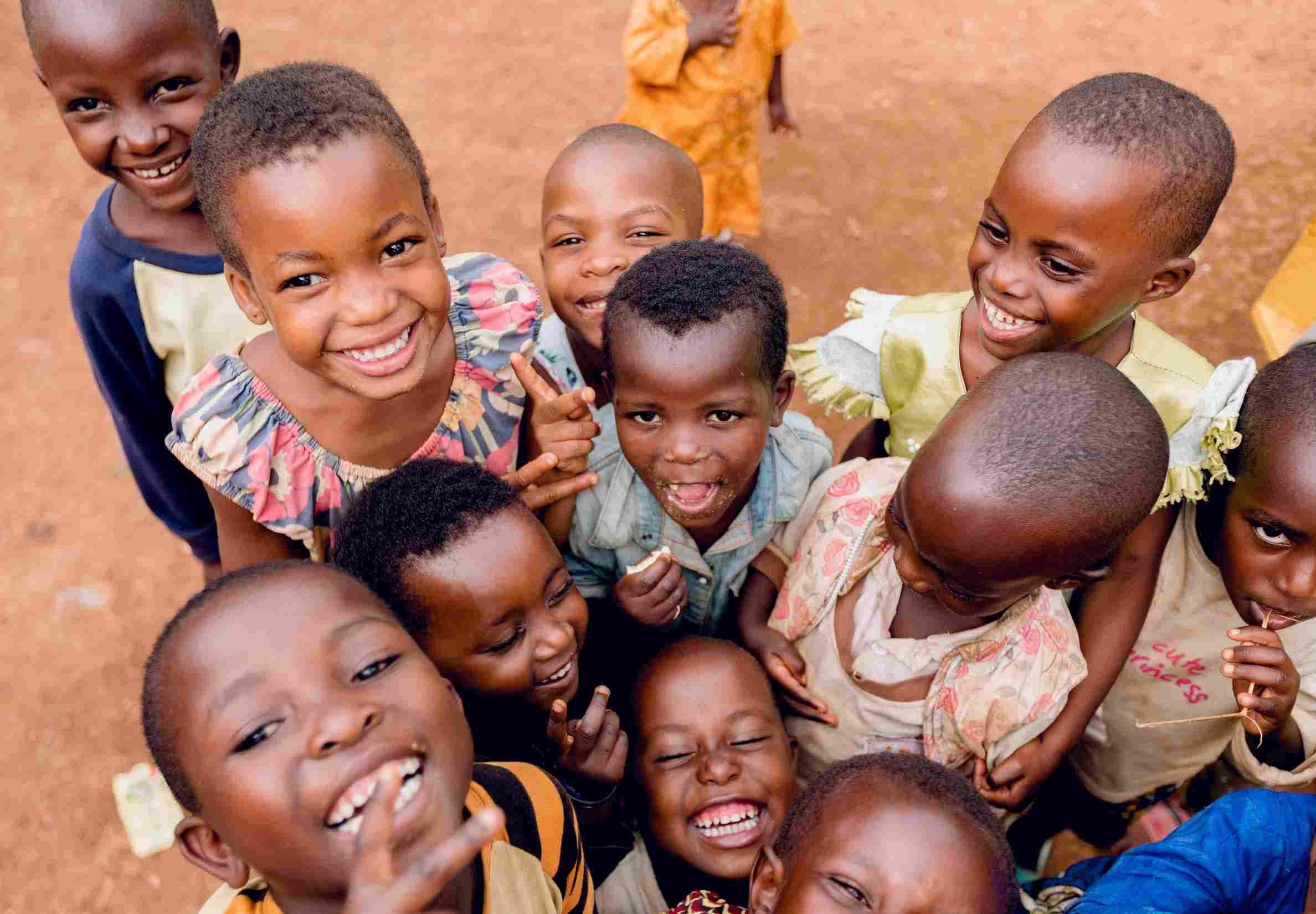
By elevating oral health to a national priority through multi-stakeholder collaborations, our children will thrive in school. There will also be a more productive workforce and less expenditure on preventable oral diseases.
A healthy smile must become a national right, not a privilege for the lucky few.
The writer is Victoria Macharia, Corporate Affairs Manager, Sub-Saharan Africa, Mars Wrigley
