


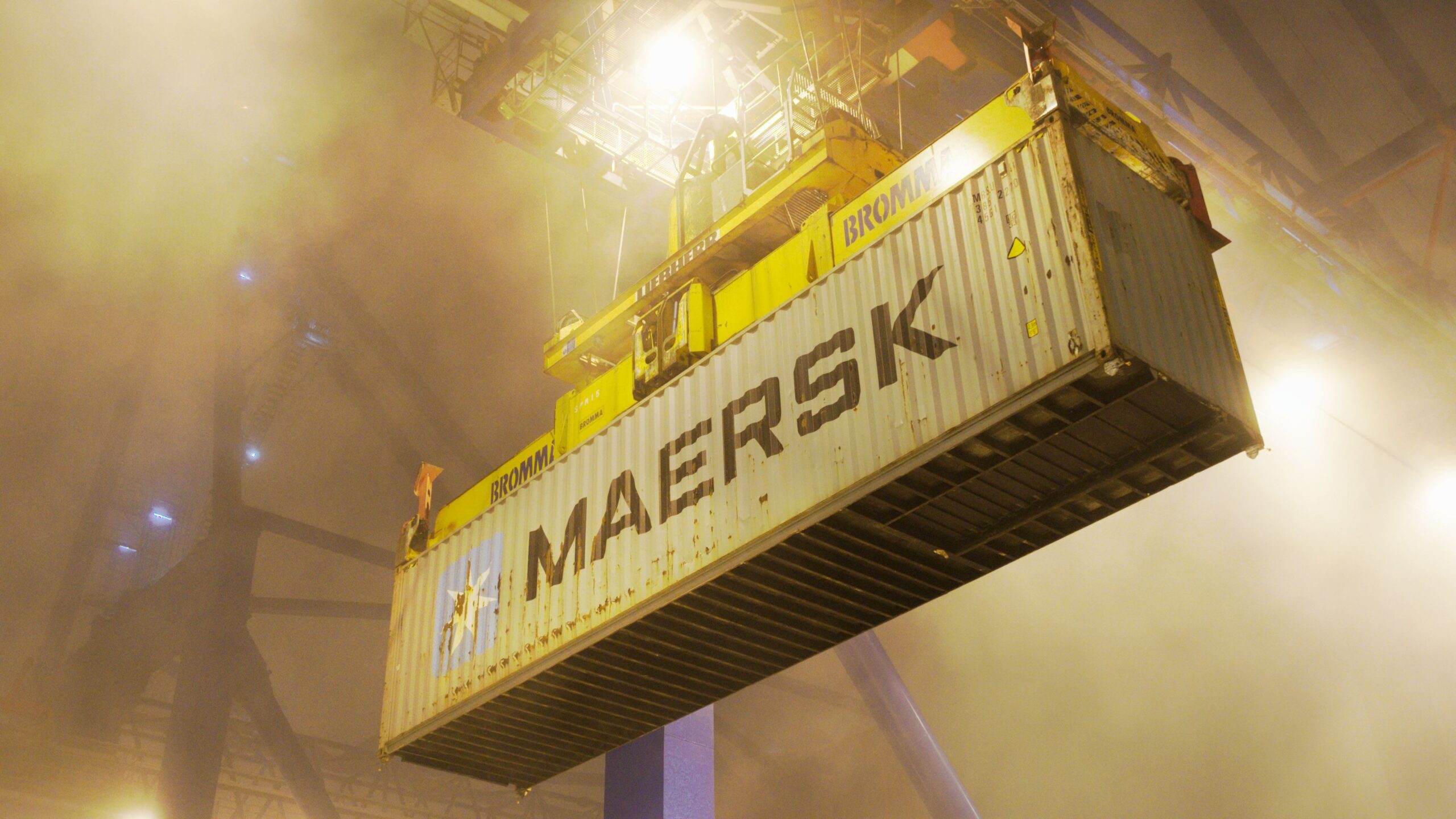
Maersk has told exporters in East Africa to book containers early as pulses shipments build in Tanzania, Kenya’s mango season opens in November and El Niño rains threaten the roads and terminals that feed the region’s ports.
The shipping line gave the guidance in its October market update for India, the Middle East and Africa, published on 13 October. It asked customers to “confirm bookings early” and meet cargo cut off deadlines. It also asked them to share forecasts, cargo ready dates and capacity needs with their Maersk representative ahead of the fourth quarter.
Tanzania pulses and Kenya mangoes drive container demand
Tanzania’s pulses exports are gaining momentum after a slower start to the season, Maersk said, and the shift is raising demand for 20ft containers. In Kenya, avocado exports are winding down as exporters prepare for mangoes in November. Demand for tea, coffee, animal fodder and garments stayed stable across the region.
Tanzania exported more than 350,000 tonnes of pigeon peas in 2024, up from 188,405 tonnes in 2023, according to International Trade Centre data reported by Daily News. Zirack Andrew, national coordinator of the Tanzania Pulses Network, said India took 99.6 per cent of Tanzania’s pigeon peas in 2023, up from 85 per cent a few years earlier. “This level of dependency is risky and unsustainable,” he said.
The pattern reaches beyond pulses. DHL’s October Globalization Tracker found that global goods trade had become more diversified across partner countries from 2016 to 2022, but the trend reversed afterwards. The decline appeared to speed up in the first five months of 2026. Exporters that rely on a single market therefore have company worldwide.
Mangoes are a smaller export with more room to grow. Less than 5 per cent of Kenya’s mango output is exported, according to Ecofin. Khusoko reported in December that Kenya shipped its first Apple mangoes to the United Kingdom and plans commercial exports from 2026.
Floice Mukabana, chief executive of the Kenya Export Promotion and Branding Agency, called the shipment “a defining moment in Kenya’s export transformation story”. Apple mangoes make up more than 80 per cent of Kenya’s mango production.
Avocados set the pace earlier in the year. Exports fell 23 per cent to 121,000 tonnes in 2025 after the Red Sea crisis and an export suspension over immature fruit, Food Business Middle East & Africa reported. Exports are forecast at 130,000 to 140,000 tonnes in 2026. In August, the avocado season had already lifted demand for refrigerated containers, trucking and vessel space, and that Maersk was preparing capacity for Tanzania’s cashew campaign later in the year.

DHL data shows trade growing despite war and tariffs
The regional demand sits inside a global upswing. DHL found that world goods trade grew faster in the first half of 2026 than in any half year since 2011, apart from the rebound after Covid. Growth came despite the closure of the Strait of Hormuz and shifts in United States tariffs. The tracker’s authors, Steven Altman and Caroline Bastian, describe a market “pulled in opposing directions”. Trade in goods linked to artificial intelligence, such as semiconductors, pushes growth up. Conflict and trade restrictions push it down.
Africa south of the Sahara gained from the upswing. Trade value in Sub Saharan Africa rose 11 per cent in the first five months of 2026 from a year earlier, against 24 per cent in East Asia and Pacific and 12 per cent in Europe. DHL measured trade value in current United States dollars.
The Middle East and Africa region fared worse on volumes. They fell sharply after the Iran war began in late February. DHL said the effects of conflict have been severe but concentrated, particularly in economies that depend on the Strait of Hormuz and in oil, gas and fertiliser. Its composite forecast shows Middle East and North Africa trade volumes falling 4 per cent in 2026 and rising 12 per cent in 2027, if hostilities end. DHL calls that outlook especially uncertain.
Global forecasts point up. DHL expects trade volumes to grow 3.4 per cent a year from 2026 to 2029, against 2.7 per cent over the past decade. It sees growth easing from 5.3 per cent in 2025 to 4.6 per cent in 2026 and 3.6 per cent in 2027. DHL names a risk in its own outlook: growth leans on AI related goods, and a slowdown there would cut it.
El Niño rains threaten roads, rail links and terminals
Maersk expects El Niño to affect East Africa between October and December. Container News reported the warning on 7 October. Flooding could cut access to ports, terminals, depots and inland delivery points. That could mean longer transit times, slower truck turnarounds, missed cut offs and paused terminal work. Delayed cargo collection would raise terminal occupancy and container dwell times. Maersk said timing and severity remain uncertain.
It advised shippers to allow extra transit time, deliver export cargo well before cut offs and submit shipping instructions and customs documents on schedule.
Forecasters back the warning. The Kenya Meteorological Service Authority expects above average rain over about 80 per cent of Kenya from October to December. The Kenya Meteorological Department puts the probability of a very strong El Niño at 81 per cent and the chance it lasts into early 2027 at 97 per cent. The regional climate centre ICPAC says the October to December season supplies up to 70 per cent of annual rain in parts of Ethiopia, Kenya and Somalia, and up to 40 per cent in parts of Rwanda, Burundi, Tanzania and Uganda. It sees a high chance of seasonal totals above 400mm in central Kenya, the Lake Victoria basin and western Tanzania.
Mombasa is already exposed. The National Disaster Operations Centre lists it among high risk urban areas and expects El Niño to peak in December. Overnight rain flooded parts of the city on 10 October. Governor Abdulswamad Shariff Nassir ordered drains unclogged and said the 2023 rains, which affected nearly 3,900 households in Mombasa, showed the need to “move from reacting to disasters to anticipating and preventing them”.
The 2023 rains also reached cargo. Kenya Railways said floods and landslides caused an “unexpected delay” in deliveries to the Port of Mombasa and along the cargo line to Nairobi. The port and rail line also serve Uganda, South Sudan and Rwanda.
Mombasa handles more cargo while delays persist
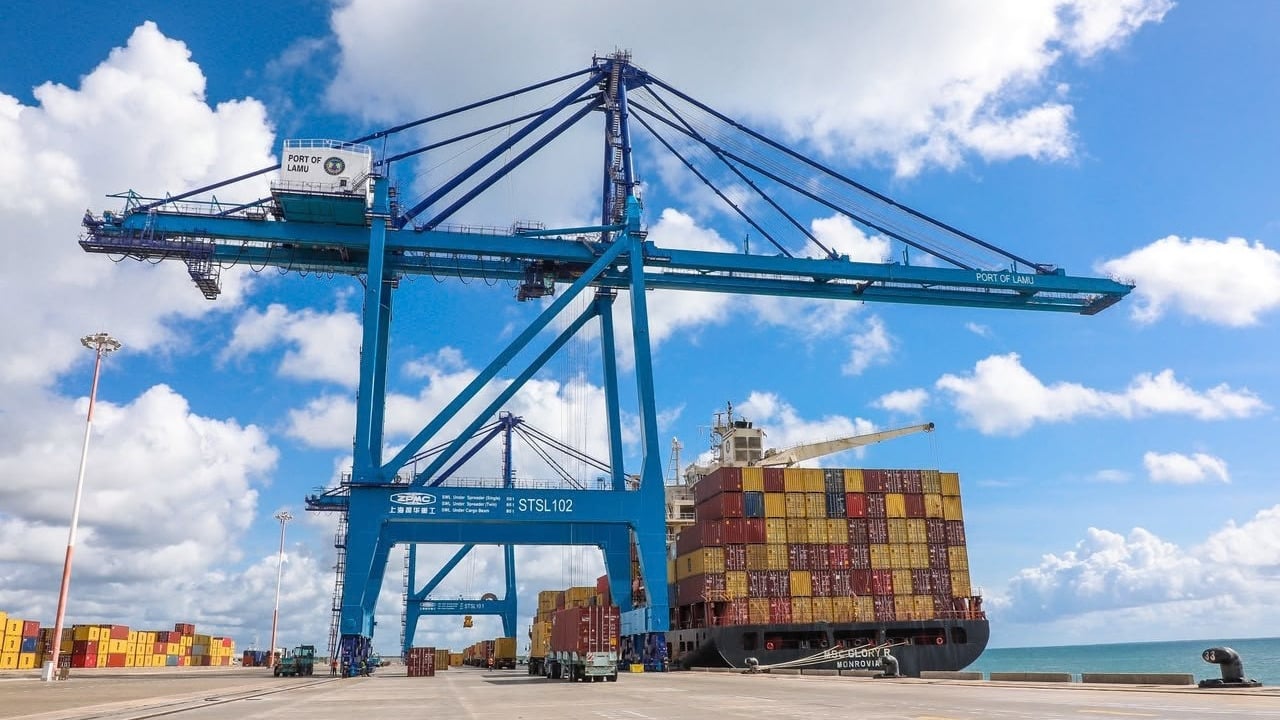
The Port of Mombasa handled 45.45 million tonnes in 2025, up 10.9 per cent from 40.99 million tonnes in 2024, according to the Kenya Ports Authority. Delays have followed the growth. The Kenya Ships Agents Association said in February that a ship waiting outside Mombasa costs operators about $60,000 a day, and each container held in the system costs $100 a day in lost opportunity, The Star reported.
The authorities are responding. The Kenya Revenue Authority and the Kenya Ports Authority announced a Smart Gate pilot and proposed round the clock operations at container freight stations on 7 August. The Kenya Ports Authority expects completed sections of its expansion to be handed over before year end to handle December cargo. Khusoko reported that the government committed KSh41 billion to the port to lift throughput and cut dwell time.
Middle East disruption keeps routing and costs uncertain
Maersk said the Middle East situation continues to affect cargo flows. Changes to services, ports and inland links may alter routings, transit times and delivery arrangements, and Maersk is assessing alternatives subject to safety and capacity.
Costs have risen. From 15 August, Maersk raised its emergency contingency surcharge by US$500 on selected Middle East to Africa services. For East Africa, a 20ft dry container from Sohar, Fujairah or Khor Fakkan now carries US$3,300 and a 40ft unit US$4,500, Food Business Middle East & Africa reported.
DHL’s findings point to the same pressure from a different angle. Trade restrictions have increased and United States tariffs have reached their highest levels in decades. Even so, DHL found that 72 per cent of world goods trade still moves on most favoured nation terms, down from 80 per cent in 2022. DHL advises companies to test their exposure to disruption, and it warns that withdrawing from foreign markets while rivals stay could cost competitiveness.
Tito Okuku has led Maersk’s East Africa business since May 2025. Khusoko reported his appointment, and he said then: “East Africa is a dynamic and diverse region full of potential.”
Maersk said it is monitoring weather conditions and will issue further updates if operations or services face significant disruption.
