



The Uganda Tourism Board (UTB) says visitors do not need a yellow fever vaccination certificate to enter Uganda.
In a press release, the board said the certificate “is not currently a mandatory requirement for entry into the country.”
It added that tourists are not required to present one as a condition of entry. UTB urged travellers and tourism stakeholders to rely on official Government of Uganda channels, including @GovUganda, for current immigration and entry information.
The immigration clarification behind the notice
The board’s statement follows a clarification from Uganda’s Ministry of Internal Affairs, issued through the Directorate of Citizenship and Immigration Control. The directorate wrote to UTB in a letter dated 27 August 2026, after the board asked whether proof of vaccination was still required. The directorate said, “Travellers to Uganda do not require a Yellow Fever vaccination certificate for entry.”
The directorate also said the certificate does not appear on Uganda’s e-visa application portal or on the National Citizenship and Immigration Control website. It published an official notice on 2 October. Travellers who need more detail can contact the directorate’s Public Relations office.
What yellow fever is, according to WHO
The World Health Organization (WHO) describes yellow fever as a mosquito borne viral disease, spread mainly by day biting mosquitoes. It lists 27 African countries and 13 Latin American countries as high risk for outbreaks.
Early symptoms include fever, headache, body aches, nausea, vomiting and weakness. They usually pass within three to four days, and the incubation period runs three to six days. About 15% of infected people develop severe illness, with high fever, jaundice, bleeding, organ failure and shock. WHO says about half of the patients in that phase die within seven to ten days.
Vaccination is the main protection. WHO says a single dose gives lifelong immunity and no booster is needed. Immunity develops in 80% to 100% of people within 10 days and in over 99% within 30 days. WHO calls the vaccine “safe, affordable” and lifelong in effect.
Why travellers needed the card
Governments use the card to keep the virus out. Under the International Health Regulations, WHO says, countries may require proof of vaccination from travellers, and medical exemptions must be certified. The proof is the International Certificate of Vaccination or Prophylaxis, known as the yellow card. Each country decides whether to ask for it, and from whom.
Some countries ask only travellers who arrive from, or pass through, a country with transmission risk. Others ask everyone. The United States Centers for Disease Control and Prevention listed Uganda among countries that require proof from all arriving travellers.
Since 2016, a completed certificate stays valid for the life of the person vaccinated, and officials cannot reject it because 10 years have passed.
What the East African Community says
No public statement from the East African Community (EAC) on Uganda’s change was available at the time of writing. The bloc does not set a common yellow fever rule for entry. Each partner state decides its own requirements under the International Health Regulations.
Rules across the region differ in practice. Travel industry guides say Kenya and Tanzania ask for the certificate from travellers who arrive from, or spend 12 hours or more in transit through, countries on WHO’s risk list.
The Uganda immigration website’s East African Tourist Visa page, which covers Kenya, Uganda and Rwanda, still lists a yellow fever certificate among its required documents, even as its notice board carries the 2 October announcement.
Why the clarification mattered
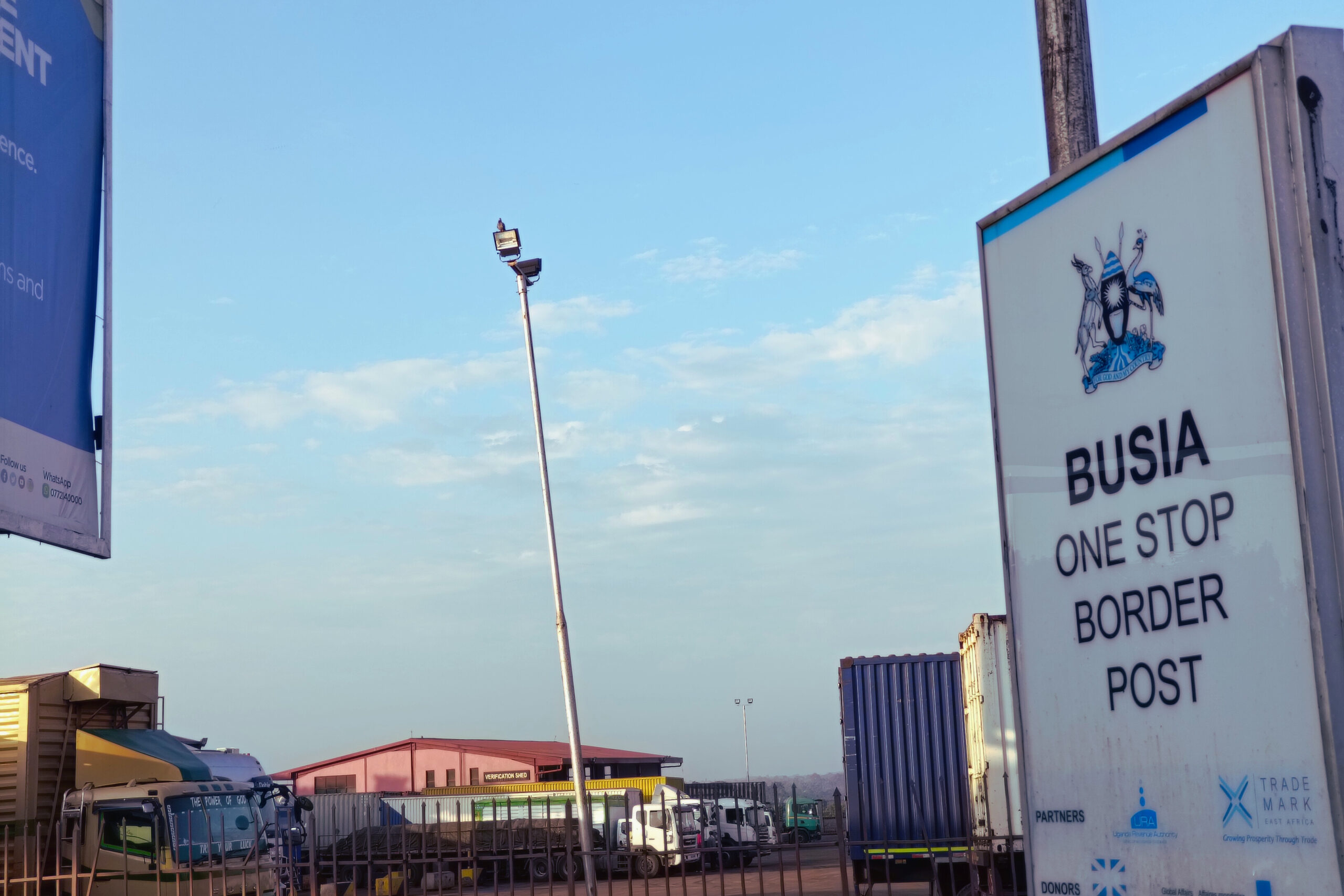
Kenyan travellers had reported being asked for the certificate at the border. Uganda Radio Network reported complaints from travellers and tourism stakeholders about enforcement at some border points, where people without cards were allegedly asked to pay money to avoid delays.
The Uganda Civil Aviation Authority suspended a dedicated yellow fever verification desk at Entebbe International Airport in 2023 after concerns about abuse of the system, the same report said.
Where official guidance still differs
Not every government page has caught up. The EastAfrican reported that the UK government’s travel advice for Uganda still lists the certificate among entry requirements.
Travellers may meet different requirements depending on which official page they read.
What travellers should do
The change removes the entry document. It does not remove the health risk. WHO classifies Uganda as high risk for yellow fever, and the country has recorded repeated outbreaks. Vaccination remains advisable for travellers.
Other countries set their own rules. India, for example, applies checks to arrivals from yellow fever endemic countries, including Uganda, according to Travel and Tour World. Visitors should confirm the requirements of their home country and of any other stop on their route, including Kenya and Tanzania.
