


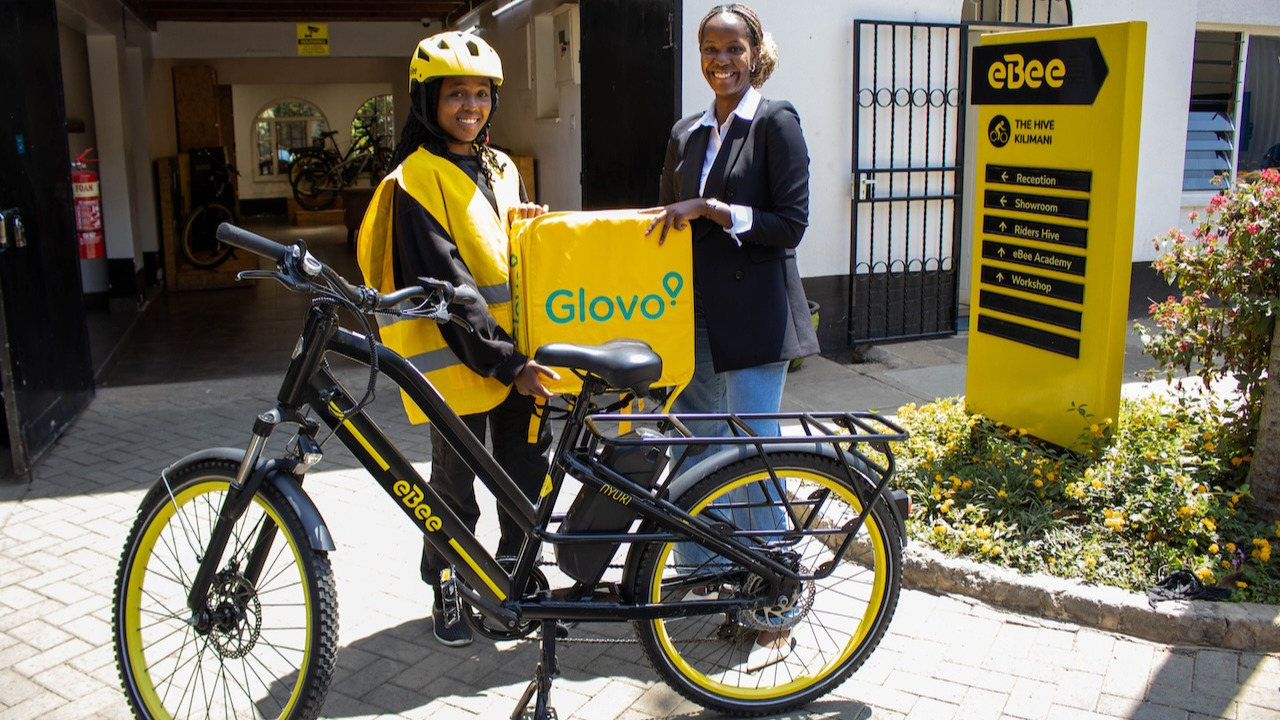
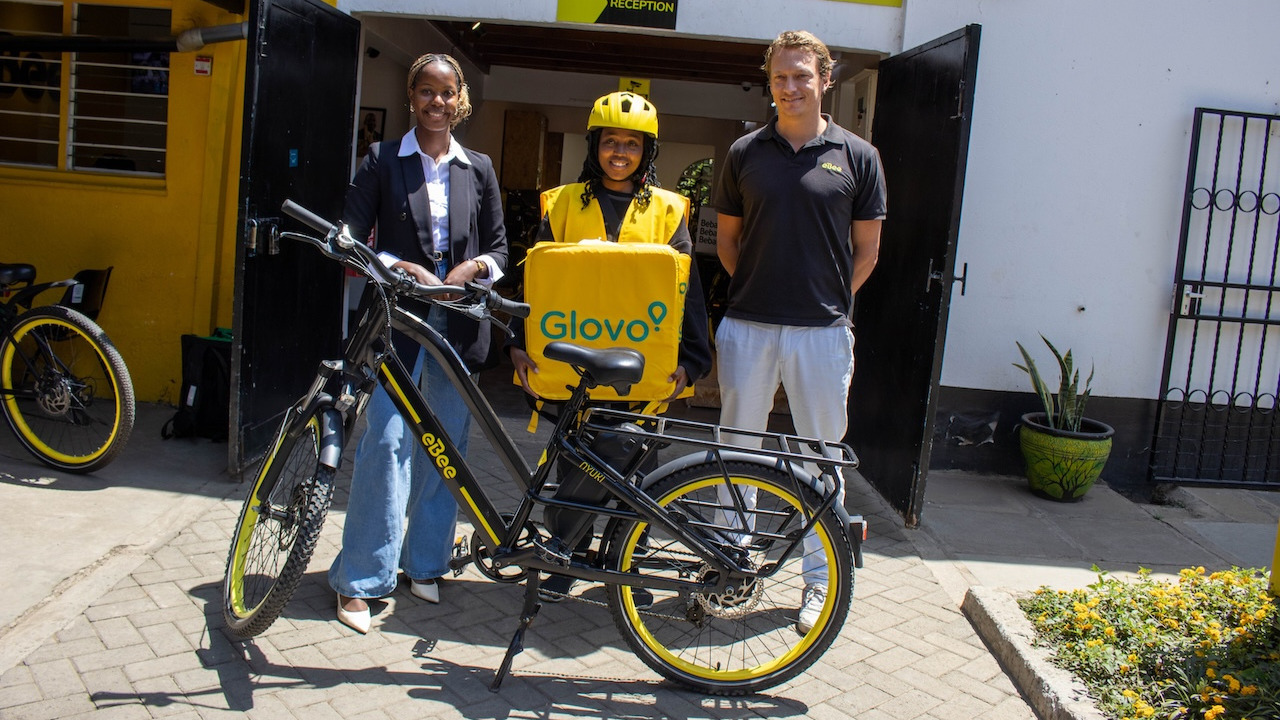
Glovo Kenya has teamed up with African e-mobility company eBee to bring more women into the country’s last-mile delivery economy, launching a programme called She Delivers that aims to lift the share of female couriers on its platform from 1 percent to 5 percent within a year.
The first cohort includes 16 women, who will complete rider training with eBee before joining the Glovo app as couriers. Glovo says more than 2,500 couriers work on its Kenyan platform daily; if women currently make up 1 percent of that group, roughly 25 are active today. Hitting the 5 percent target would put that number near 125.
Why Women Are Missing From Delivery Work
Kenya’s gig economy has opened new income streams over the past several years, but delivery work has stayed heavily male. Glovo points to a familiar set of barriers: women often lack access to suitable vehicles, riding experience and the capital to cover upfront operating costs. Road safety concerns and a persistent perception that delivery work belongs to men add further friction.
“Unlocking the full potential of Kenya’s gig economy requires intentionally dismantling the structural and financial barriers facing female workers,” said Liz Wambua, Head of Operations at Glovo Kenya. “She Delivers is a core business strategy to build a more inclusive, resilient and sustainable logistics ecosystem. By pairing eBee’s clean mobility technology with Glovo’s platform reach, we are creating a scalable model for women to build independent incomes while setting a new benchmark for gender parity in urban last-mile delivery across the region.”
What the Training Covers
eBee will run the training component of the programme, walking participants through e-bike handling, defensive riding, basic maintenance, navigation and what the companies call platform readiness, the practical skills needed to accept orders, find addresses and complete deliveries on the Glovo app.
Electric bicycles sit at the center of the model rather than motorbikes, a choice both companies frame as addressing cost and physical demands at once.
“Electric bicycles remove heavy physical exertion and lower operating expenses, making last-mile delivery a genuinely viable, high-earning opportunity for women,” said Maarten Fonteijn, Managing Director of eBee Africa. “Partnering with Glovo allows us to advance gender equity while accelerating the shift toward clean, zero-emission urban transport.”
For Yvonne Muribi, one of the 16 women in the pilot cohort, the practical value of the training is immediate.
“Access to e-bikes and structured safety training removes the biggest hurdle to joining this sector,” she said. “It gives us the confidence to navigate traffic safely and build an independent income on our own terms.”
She Delivers at a Glance
| Detail | Figure |
|---|---|
| Current share of women couriers | 1 percent |
| One year target | 5 percent |
| Pilot cohort size | 16 women |
| Active daily couriers on Glovo Kenya | More than 2,500 |
| Approximate women couriers today | About 25 |
| Approximate women couriers at target | About 125 |
| Training partner | eBee Africa |
| Vehicle type | Electric bicycles |
A Platform in Transition
The initiative lands at a pivotal moment for Glovo in Kenya. Khusoko reported in July that Uber agreed to acquire Delivery Hero, Glovo’s parent company, in a deal covering 50 markets including Kenya, with the local business expected to keep running on its existing operations and technology once the acquisition closes.
Ahead of that deal, Glovo Kenya held a commanding position in the market, with the Competition Authority of Kenya putting its share of food delivery at 33 percent and grocery delivery at 46 percent, ahead of nearest rival Uber Eats. The company had also opened a new Nairobi headquarters and committed roughly KES 10 billion in additional investment in the country through 2030.
That scale gives She Delivers a wide base to build from, but it also means the programme’s real test will be whether Glovo sustains the push once ownership changes hands.
Testing a Model Before Scaling It
For now, Glovo and eBee are treating the 16-rider cohort as a pilot, a chance to work out what functions in practice before expanding, from onboarding and training logistics to vehicle access and ongoing rider support. The lessons from this first group are expected to shape how the companies pursue the broader 5 percent target over the coming year.
If the model holds up, She Delivers could offer a template for addressing two problems with one programme: widening economic opportunity for women while pushing more of Kenya’s urban delivery fleet toward zero-emission transport.
The ambition, both companies say, extends beyond a single platform’s rider count. It is a test of whether the right combination of vehicle access, training and support can turn last-mile delivery into a dependable income source for more women in Kenya, and eventually, across East Africa.
Kigali Crowns Africa’s Top Women Agripreneurs, Grand Prize Goes to Zambia-Based Seed Company
