


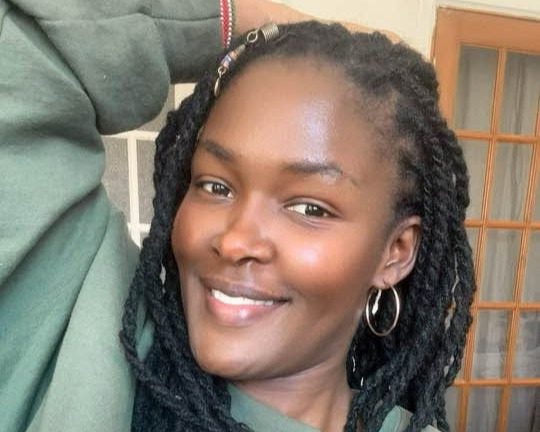
A Kenyan writer just landed on the shortlist for one of Africa’s most watched literary prizes, and she is not shy about naming everyone who helped get her there.
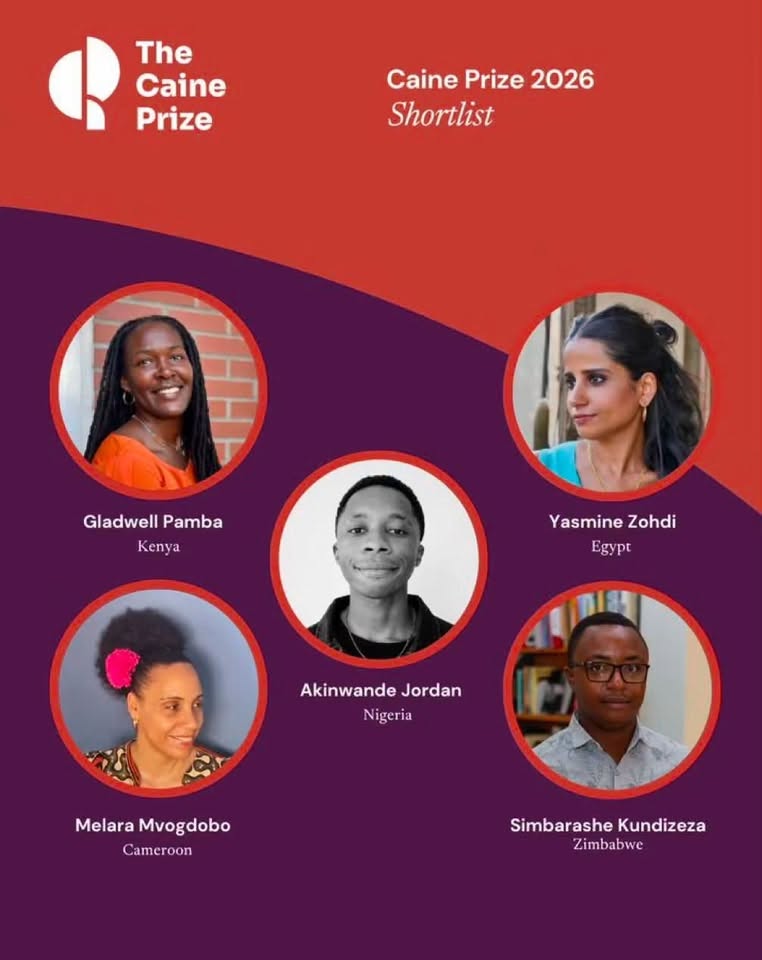
The Caine Prize for African Writing named its 2026 shortlist this week, and Gladwell Pamba’s story “The Last Shop” sits at the top of a list that spans five countries: Kenya, Cameroon, Nigeria, Egypt, and Zimbabwe. Judges pulled these five from a record 407 entries submitted from 27 African countries, the largest pool the prize has seen.
What the Caine Prize Actually Rewards
Founded in 2000 and named after Booker Prize chairman Sir Michael Caine, the award goes to the best short story written by an African author and published in English, whether that author lives on the continent or abroad. People often call it the African Booker.
The winner takes home £10,000; every shortlisted writer receives £500. Past winners include Leila Aboulela, Binyavanga Wainaina, NoViolet Bulawayo, and Kenya’s own Yvonne Adhiambo Owuor, so a shortlist spot carries real weight before a single ballot is cast.
Gladwell Pamba Traces Her Win to a Room Full of Mentors
Pamba is a PhD candidate at Concordia University in Canada, where she also completed her MA in Creative Writing. Before this shortlist, she had already picked up the Ibua Manuscript Prize and the Malahat Review’s Far Horizons Award for Short Fiction, plus fellowships at the Oxbelly Writers Retreat and International Literary Seminars. Her stories run through Bakwa, The Offing, The Rumpus, Waxwing Journal, and several other magazines and anthologies.
“The Last Shop” first appeared in Let’s Conspire and Other Stories, published by Jahazi Press in 2024. Ahmed Aidarus, the press’s founder, called the shortlisting deeply affirming for his small team.
When the news broke, Pamba turned to Facebook not to take a bow but to hand out credit. She wrote that “it is not my win; it is a whole ecosystem,” then spent several paragraphs naming names. She was bedridden during the 2022 workshop where the story began, so organizers Billy Kahora and Ahmed Aidarus let her join remotely while other writers met in Nairobi.
She credits Kahora with spotting something in her draft that she could not yet see herself. At Concordia, professor Mikhail Iossel pushed her to build characters who feel alive, advice she now treats as a guiding principle. She also pointed to novelist Peter Kimani, who told the workshop that every sentence must earn its place or get cut, and to Yvonne Adhiambo Owuor, whose questions left the group both humbled and sharper. It was fellow participant Ndegwa Nguru who talked her out of her original working title, “Freedom,” and pushed her toward the one that stuck: “The Last Shop.”
Melara Mvogdobo Brings a Life Split Across Continents
Mvogdobo was born in Lucerne in 1972 and trained as a teacher before raising three sons. Her adult life has moved through the Dominican Republic, Cameroon, Switzerland, and now Andalusia, where she settled with her family in 2022. Alongside writing, she has taught trauma survivors and run workshops on textile craft and tropical cooking.
Her shortlisted story, “Dieu Merci,” appeared in Literatur.Review in 2025. Her fiction has already found a wider readership: her debut novel came out through Edition 8 in 2023, and her second, Grandmothers, was published in German by Transit Verlag in 2025 and nominated for the Swiss Book Prize the same year.
Akinwande Jordan Writes Where Film Meets Politics
Jordan works across criticism, fiction, and poetry from his base in Nigeria, and his essays keep circling back to one question: how does art shape and get shaped by the society around it.
His byline has appeared in The 49th Street Magazine, Saharan Style, Screen in Transit, and Black Film Wire, where he also edits. His shortlisted story, “So Long It’s Starting to Look Like Eternity,” came out through Naira Books in February 2026, making it one of the freshest entries on this year’s list.
Yasmine Zohdi Moves Between the Page and the Screen
Zohdi writes, translates, and reviews film from Cairo. She earned an MFA in Fiction Writing from Sarah Lawrence College and later edited culture coverage at Mada Masr, Egypt’s independent news site.
Her shortlisted story, “The Absence of Stains,” reflects the same interest that runs through her criticism: how literature and cinema borrow from and inform each other. Her work has run in Words Without Borders, Asymptote, Bidoun, and The Republic, and she is now drafting her first novel.
Simbarashe Steyn Kundizeza Edits by Day, Writes Fiction by Night
Kundizeza lives in Harare and serves as Associate Editor at African Writer Magazine. His debut novel manuscript, Freelance, won the 2024 Island Prize for Debut African Fiction, and his shortlisted story, “The Blue Fighter,” extends a body of work that already includes Transition Magazine and the anthology The Wrong Patient and Other Stories from Africa.
Why This List Is Worth Watching
Five writers, five countries, one story each about people trying to hold their lives together. That is what the Caine Prize does well: it puts a spotlight on short fiction that might otherwise stay inside a small press run or a single national market. Pamba’s shortlisting matters beyond her own career too.
It points back to a workshop model, built by people like Kahora and Aidarus, that keeps turning unpublished drafts into prize contenders. The winner will be named later this year, but every one of these five stories is worth reading before that announcement lands.
For more coverage of African business, publishing, and the creative economy, visit Khusoko.
