



Kenyan households may soon feel the pinch of rising food prices again. Poor rainfall across key farming regions is threatening crop production, and the Central Bank of Kenya (CBK) says the strain is already showing up in supply forecasts and inflation expectations.
The warning comes from CBK’s July 2026 Agriculture Sector Survey, which found that respondents expect prices for several food commodities to climb over the coming month. Staples such as maize grain and maize flour buck that trend, with prices there expected to fall.
Which Foods Are Getting More Expensive
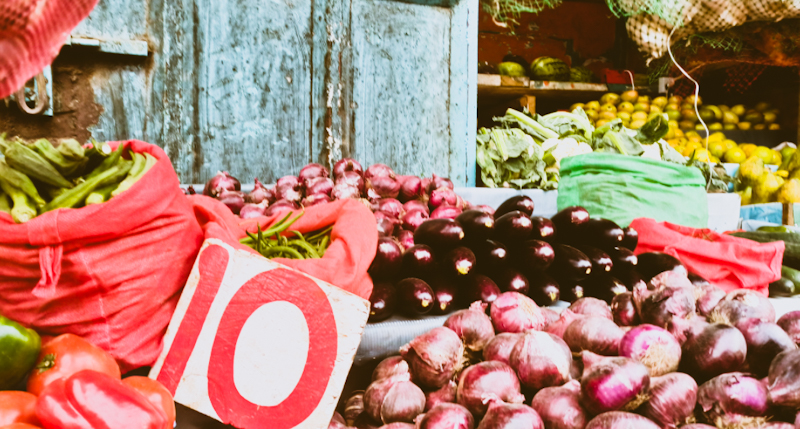
Potatoes topped the list for expected price increases, a notable shift from milder expectations in earlier months. Traditional vegetables, peas, spinach and fresh unpacketed milk also featured among the commodities respondents expect to cost more in the weeks ahead.
Not every item is heading in the same direction. Tomatoes, onions, carrots, maize grain and maize flour are all expected to get cheaper, according to the survey, a sign that price pressures remain uneven rather than sector wide.
CBK summed up the mood plainly, noting that expectations reflect “emerging supply side risks” building into the market.
Rainfall Failures Hit Maize Hardest
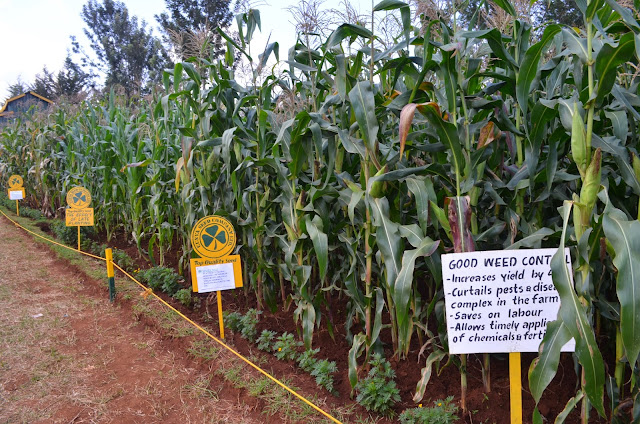
Behind the price expectations sits a harder problem: crops are failing in parts of the country that usually carry the food basket. Respondents in the North Rift and Western Kenya reported maize crop failures tied directly to poor rainfall, and it shows in the numbers.
CBK’s survey found expected maize output barely improved, with a balance of opinion of just two percent, a figure the bank linked squarely to depressed rainfall in the country’s main maize growing zones.
Maize was not alone. Farmers also expect lower output for rice, millet, wheat, onions, beans and potatoes, pointing to a broader strain on the season’s harvest rather than an isolated setback.
Inflation Expectations Are Rising Again
The production worries are feeding directly into how Kenyans expect prices to move economy wide. Nearly 57 percent of survey respondents now expect inflation to rise over the next month, up sharply from 47.9 percent in June.
Looking further ahead, 57.5 percent expect inflation to increase over the next three months, compared with 48.5 percent in the previous survey. Both figures mark a clear jump in a short space of time, and they suggest households are bracing for costlier shopping baskets well into the year.
What Is Really Driving Prices Up
Weather remains the dominant force shaping food costs. Ninety four percent of respondents pointed to rainfall and other weather patterns as a key driver of prices, while 93 percent cited transport costs as another major pressure point.
Global events are playing a role too. Seventy two percent of respondents said the conflict involving the United States, Israel and Iran had already affected retail prices, mainly through higher oil costs and disrupted supply chains. Labour costs followed at 71 percent, with input costs such as fertiliser and seeds cited by 62 percent of respondents.
Farmers Are Asking for Help
Farmers surveyed by CBK were clear about what they need to keep production steady. Requests included generators, irrigation pumps and piping networks to reduce dependence on rainfall, alongside higher agricultural subsidies and better feeder roads to move produce to market.
Farmers also called for stronger extension services to guide planting and harvesting decisions, along with lower fuel costs, which continue to weigh heavily on the cost of running farm machinery and transporting goods.
With rainfall patterns still uncertain and global tensions adding pressure on fuel prices, Kenya’s food supply chain faces a testing few months ahead. How quickly government support reaches farmers on the ground may determine whether these price pressures ease or deepen before the year is out.
Kenya To Import 25 Million Bags Of Maize As Drought Deepens Deficit
