



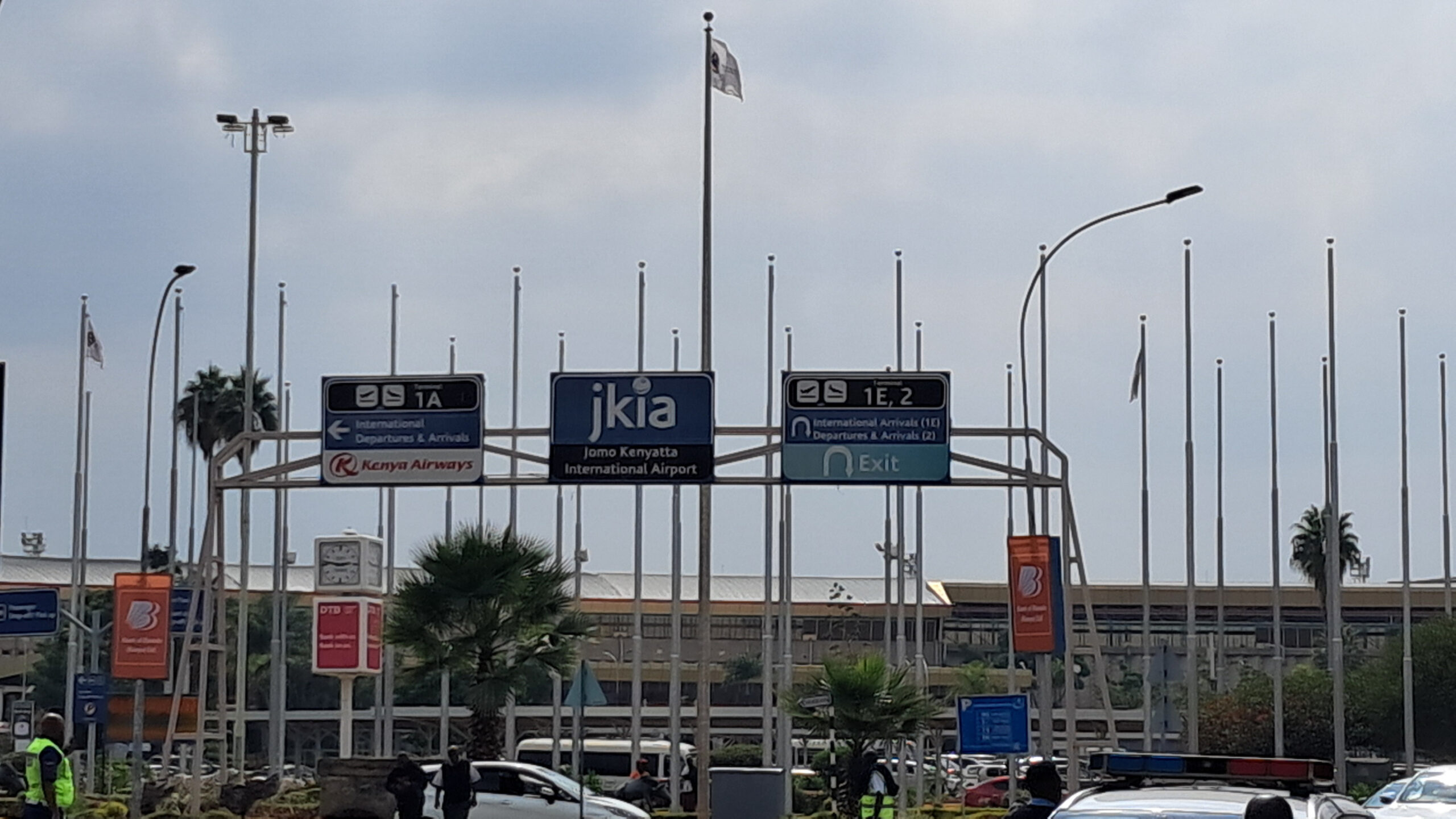
Kenya has settled on a plan to finance the expansion of Jomo Kenyatta International Airport, and most of the money will come from debt. The government intends to borrow Sh81 billion under a Sh116 billion package built to fund the upgrade of the country’s aviation gateway, according to Business Daily.
The remaining Sh35 billion will come from two sources: the National Infrastructure Fund and a bond secured against future collections from the airport passenger levy. That levy applies to every international and domestic ticket sold in Kenya, and Sh18.5 billion a year from the levy has already been earmarked to back debt tied to the airport.
How The Project Reached This Point
JKIA’s expansion has changed direction more than once before reaching this stage. The government first pursued a deal with India’s Adani Group to redevelop and operate the airport under a lease, but that plan collapsed after US prosecutors indicted Adani Group founder Gautam Adani and executives on bribery and fraud charges. Kenya then reopened procurement and awarded a contract to China Communications Construction Company.
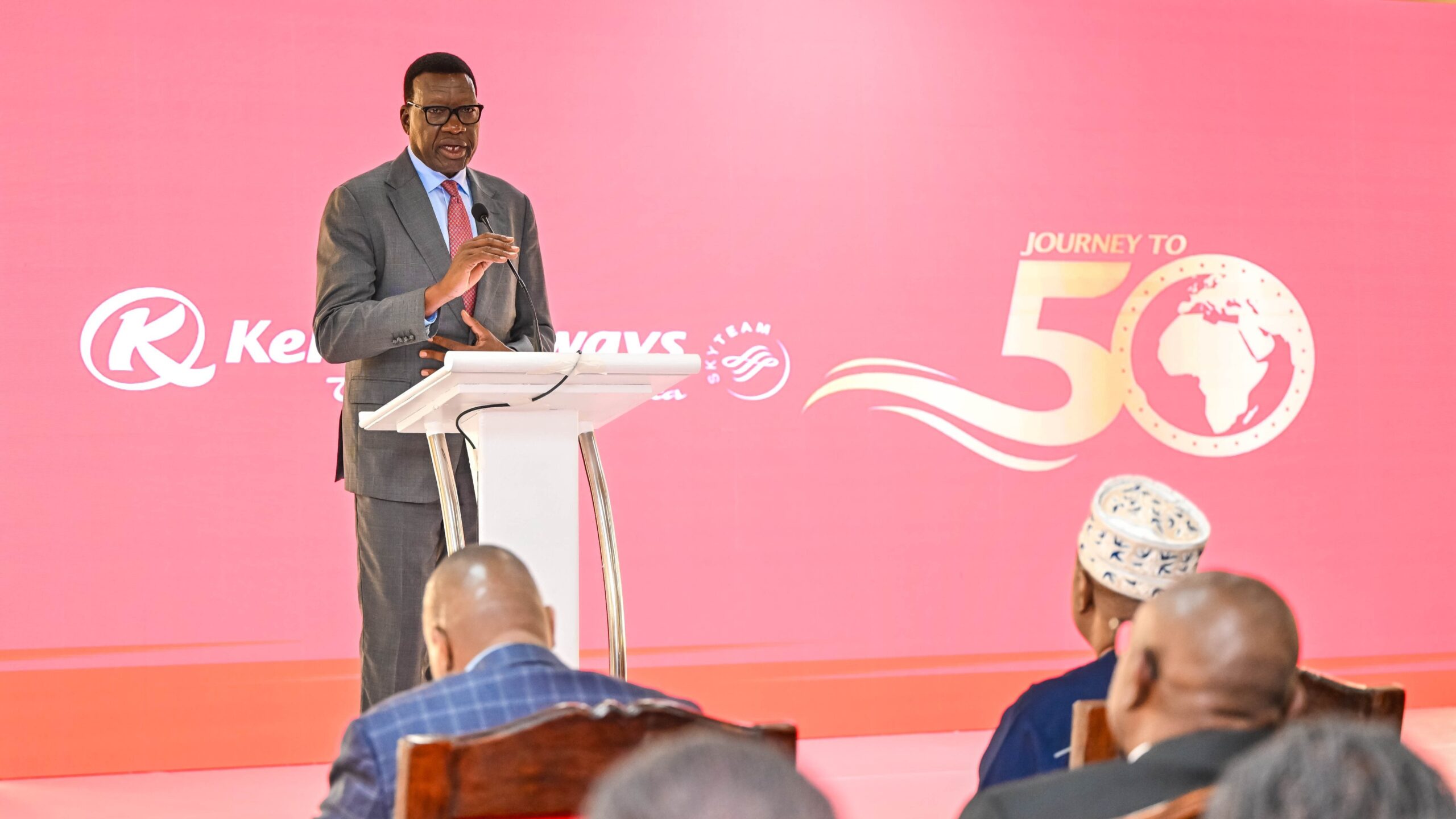
Cost estimates for the project have moved as the process has moved. An early contract value above Sh375 billion, a figure Treasury Cabinet Secretary John Mbadi disputed before the Senate, stating the cost stood at Sh155.3 billion. The Ministry of Roads and Transport put its own cap at Sh154.2 billion, and Transport Cabinet Secretary Davis Chirchir told Daily Nation that figure runs about 20 percent below comparable airport builds elsewhere in Africa. The Sh116 billion financing figure appears to cover one phase or component of the wider modernisation programme rather than its full scope, which explains why the numbers in circulation do not line up.
Why Kenya Wants To Move Now
Passenger numbers at JKIA have already passed what the airport was built to handle. Regional competitors are moving in parallel: Rwanda is building Bugesera International Airport with Qatar Airways as a partner, targeting 14 million passengers a year, while Ethiopia has broken ground on an airport near Bishoftu designed to process more than 100 million passengers annually. Nairobi’s position as East Africa’s busiest aviation hub depends on JKIA keeping pace.
How The Sh116 Billion Breaks Down
| Funding Source | Amount |
|---|---|
| Government borrowing | Sh81 billion |
| National Infrastructure Fund | Part of Sh35 billion |
| Bond backed by passenger levy | Part of Sh35 billion |
| Total financing package | Sh116 billion |
Debt And Transparency Under Scrutiny
Reliance on borrowing has drawn pushback from lawyers, civil society groups and members of parliament, who want visibility into who is financing the airport and on what terms. The Law Society of Kenya has called for independent verification that the project delivers value for money, per People Daily, while the Consumer Federation of Kenya filed a petition asking the court to pause further steps until financing arrangements and contractor details reach the public record. Reports have also linked Zimbabwean businessman Wicknell Chivayo to the deal, a claim Chirchir has denied on more than one occasion.
Money254 reported that Chirchir and Treasury Cabinet Secretary John Mbadi have given conflicting accounts of how the airport upgrade will be funded, with Chirchir confirming debt financing despite Mbadi’s earlier statement that the project would carry no new borrowing.
Supporters of the levy backed bond point to precedent: Kenya used a similar structure to fund an extension of the Standard Gauge Railway and argue the approach spares the general budget from carrying the full cost. Opponents counter that pledging future levy income still exposes taxpayers and travelers if passenger growth falls short of projections.
