


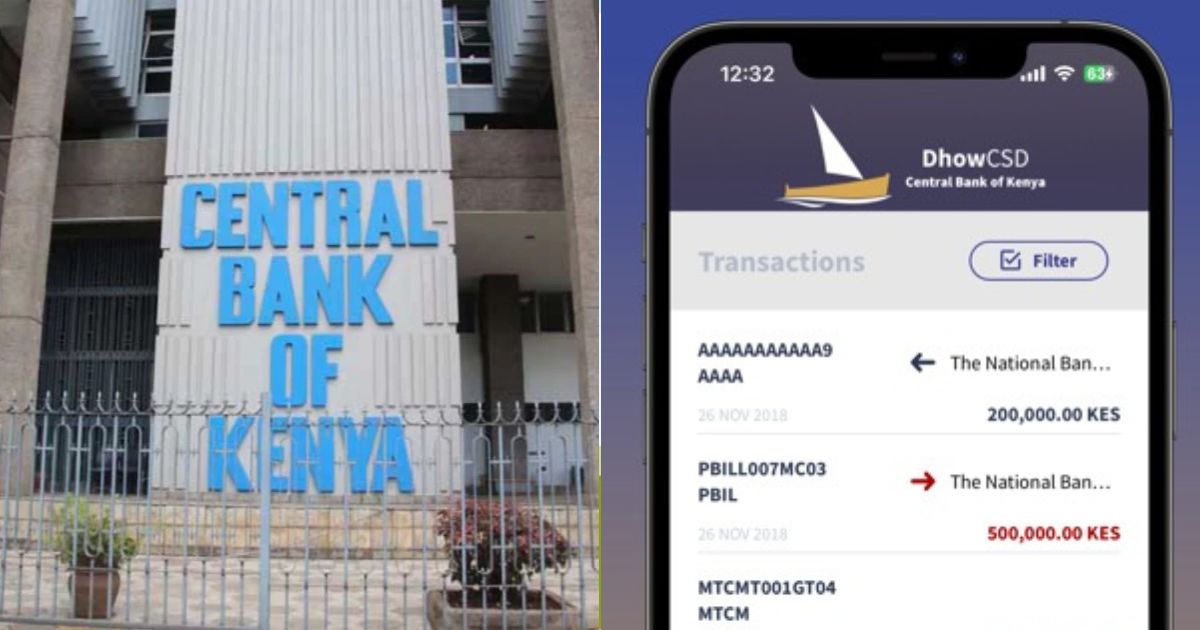
Kenya’s government securities market takes a decisive step toward global integration on June 29, 2026, when the Clearstream-Kenya Link goes live, connecting the Central Bank of Kenya’s DhowCSD platform to one of the world’s leading post-trade settlement networks.
The link makes Kenya the 60th domestic market within Clearstream’s global network and only the second in Africa, after South Africa. For international investors, it removes a longstanding barrier: accessing Kenyan government paper no longer requires local registration or account opening. Everything flows through a single point of access.
What the Link Actually Does
The connection provides institutional investors with access to the Kenyan market through a unique omnibus account structure, covering government bonds, infrastructure bonds and treasury bills. Through this single gateway, Clearstream clients can settle and safekeep Kenyan government debt securities, use those instruments in collateral management facilities, and conduct foreign exchange transactions in Kenyan shillings.
Standard Chartered Kenya serves as Clearstream’s cash correspondent bank for Kenyan shilling transactions and as the local custodian with the Central Bank of Kenya. Standard Chartered’s role matters because it bridges the operational gap between Clearstream’s global infrastructure and the local settlement mechanics of the DhowCSD platform.
Why This Matters for Kenya’s Debt Market
Kenya has been building toward this moment. The CBK launched DhowCSD in 2023 as a platform to modernise how investors access government securities, replacing manual processes with a digital portal and mobile app. Between July 2023 and August 2024, active accounts on the platform grew by 112 percent, rising from 45,000 to over 96,000. Individual investors now account for 79 percent of account holders, and the value held by non-institutional investors doubled from 7 percent to 13 percent of total holdings over that period. The Clearstream link builds on that foundation by targeting the institutional and international investor segment that DhowCSD alone could not reach.
David Luusa, Director of Financial Markets at the Central Bank of Kenya, pointed to the broader ambition behind the partnership. The link, he said, would deepen liquidity, broaden the investor base, and strengthen the resilience of the domestic debt market, while advancing Kenya’s position as a financial centre in Africa.
Kenya’s expected inclusion in global market indices reinforces the timing of this move, signalling to international capital that the country’s debt market now meets the infrastructure standards they require before committing funds.
What Changes for Investors
For international fund managers and institutional investors already operating within Clearstream’s network, the Kenya link removes the operational friction that previously made Kenyan paper difficult to hold. Settlement, safekeeping, collateral use and currency conversion now sit within the same workflow they use for 59 other markets.
For Kenya, the effect accumulates over time. Deeper foreign participation in the domestic bond market spreads the buyer base across more participants, which reduces the concentration risk that comes from relying heavily on local banks and pension funds to absorb government issuances. It also strengthens the shilling’s position in international collateral frameworks.
Jan Willems, Head of Global Markets at Clearstream, described the link as part of a deliberate strategy to direct investment flows toward growing markets, and expressed confidence in Kenya’s trajectory as an investment destination.
The CBK, for its part, frames this as one piece of a larger programme to build market infrastructure that supports financial inclusion, strengthens monetary policy transmission, and positions Kenya as East Africa’s financial gateway.
