



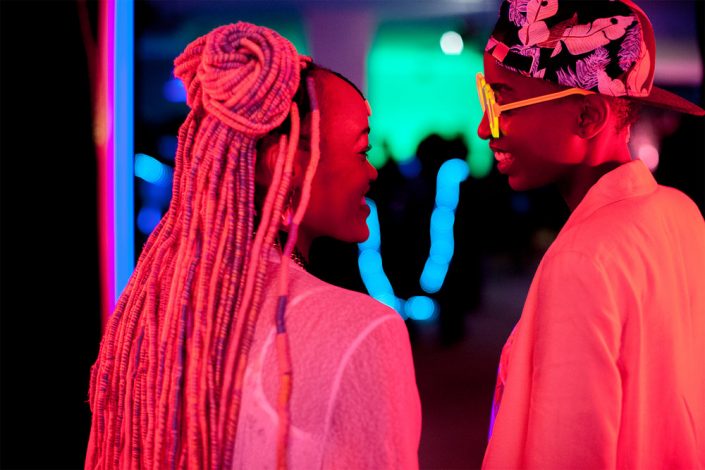
The Court of Appeal at Nairobi has delivered judgment in Civil Appeal No. E378 of 2020, partially overturning the High Court’s 2020 decision that upheld the controversial ban of Wanuri Kahiu’s film Rafiki.
Justices W. Karanja, Tuiyott, and Achode navigated the delicate balance between freedom of artistic expression and the state’s power to regulate public morality, reshaping the conversation around censorship in Kenya’s creative industry.
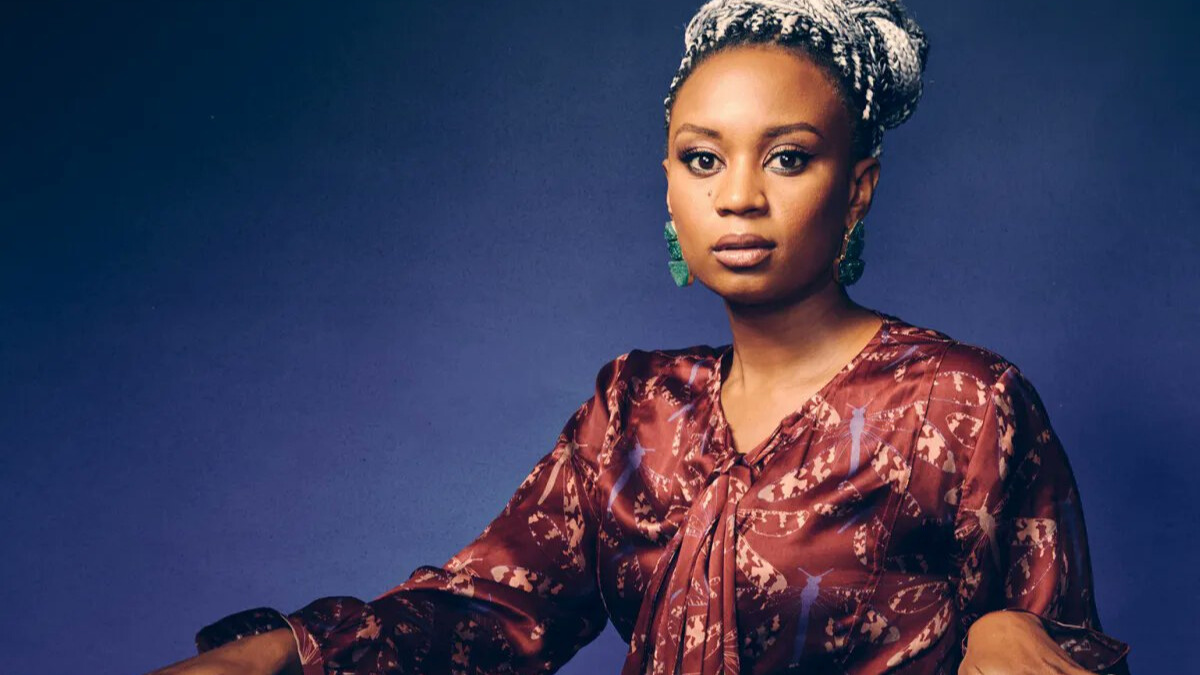
Rafiki: From Cannes Glory to Local Controversy
In April 2018, Rafiki made history as the first Kenyan feature film to screen at the Cannes Film Festival, inspired by the Caine Prize-winning short story Jambula Tree. Globally, it was hailed as a groundbreaking piece of African cinema.
Back home, however, the reception was starkly different. On April 27, 2018, the Kenya Film Classification Board (KFCB), led by CEO Ezekiel Mutua, banned the film, claiming it sought to “normalize homosexuality” and contained “offensive classifiable elements.”
According to KFCB, the film was altered to promote homosexuality contrary to the Films and Stage Plays Act Cap 222 of the Laws of Kenya, the Penal Code and the Constitution of Kenya (2010) which defines marriage as a “union between two people of the other gender.”
Despite the ban, Justice Wilfrida Okwany temporarily lifted restrictions in September 2018, allowing the film to screen for seven days so it could qualify for Oscar consideration. During that short window, Kenyans flocked to cinemas, generating Ksh. 3.3 million in ticket sales from over 6,500 viewers.
Court of Appeal’s Key Findings

1. Jurisdiction and the Doctrine of Exhaustion
The High Court had dismissed Kahiu’s petition, arguing she failed to exhaust statutory appeal mechanisms under Section 29 of the Films and Stage Plays Act. The Court of Appeal disagreed, ruling:
“The Minister has no power to declare any law as unconstitutional.”
The judges affirmed that the High Court was the proper forum for constitutional grievances, especially when fundamental rights are at stake.
2. Striking Down Unconstitutional Excesses
While upholding the State’s general right to regulate films, the Court of Appeal struck down two provisions of the Films and Stage Plays Act:
- Section 9(1): Nullified police powers to use force to stop film scenes unless there is immediate danger to safety or cruelty to animals.
- Section 16(3): Declared unconstitutional the Board’s authority to seize and retain excised parts of a film, calling it an unnecessary interference with property rights.
3. The Ban on Rafiki: Depiction vs. Promotion
The most nuanced part of the ruling addressed the outright ban. The Court distinguished between depicting a lifestyleand promoting illegal acts.
- Depiction: Showing a homosexual relationship in a film does not automatically amount to promoting criminalized conduct.
- Proportionality Test: A ban is disproportionate if a film merely depicts a lifestyle without glamorizing or advocating it.
- Verdict: The KFCB’s reasoning might justify an “Adults Only” rating, but not a total ban.
Global Recognition Despite Local Ban
Even as the legal battle raged, Rafiki continued to shine internationally:
- March 2019: Lead actress Samantha Mugatsia won Best Actress at FESPACO Film Festival in Burkina Faso.
- October 2019: The film won two Africa Movie Academy Awards (AMAA) — Best Achievement in Editing and Best Film in an African Language.
The Court of Appeal’s ruling is a watershed moment for Kenya’s creative industry. It reaffirms that artistic freedom is protected under the Constitution and that censorship must meet strict tests of necessity and proportionality.
For filmmakers, artists, and audiences, the judgment signals a shift towards a more open and rights-respecting cultural space in Kenya.
