


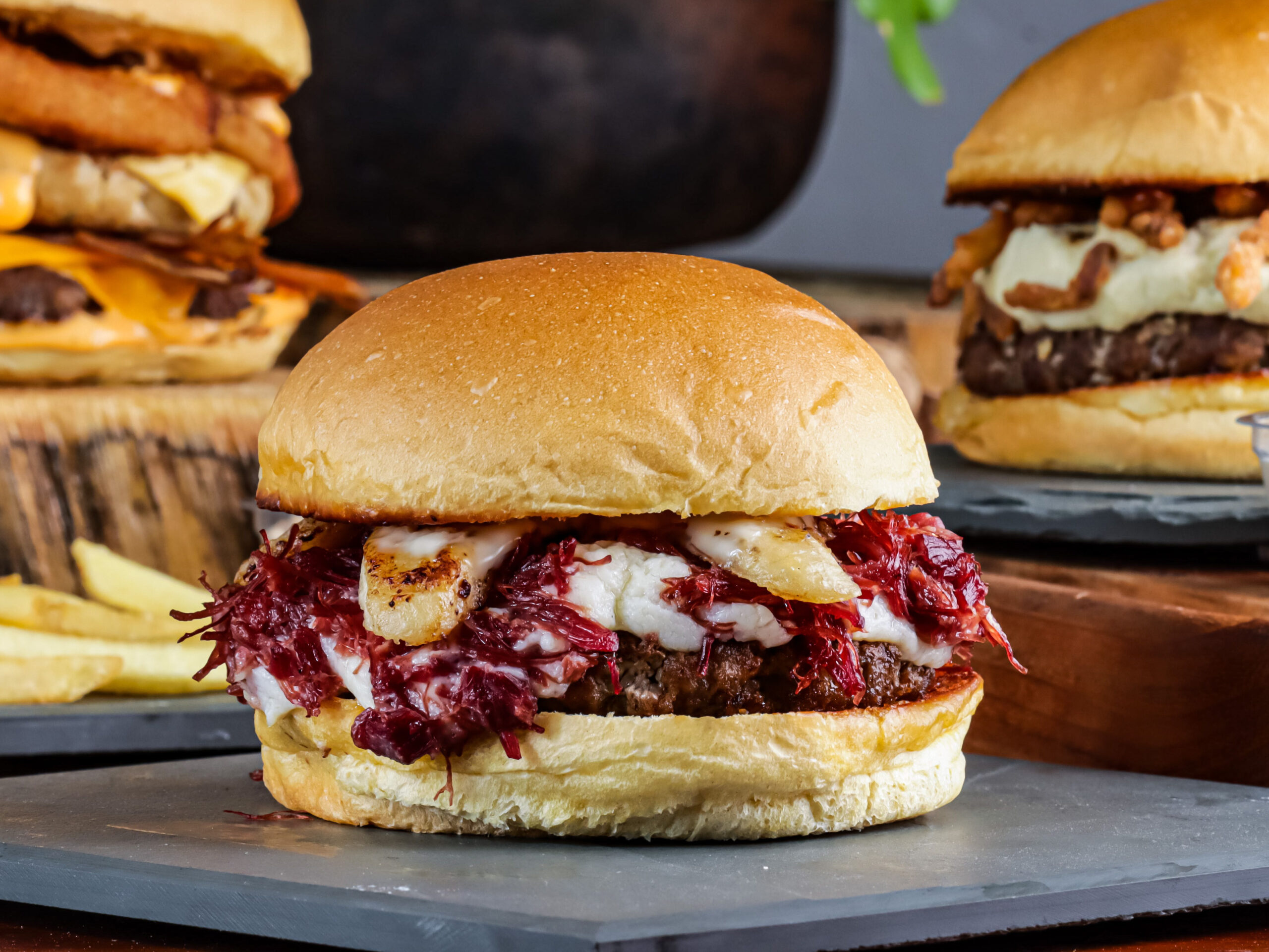
More than 400 restaurants across Nairobi have opened their kitchens to a shared campaign for the next ten days, as Nairobi Burger Week 2026 turns the city’s most familiar comfort food into a citywide exercise in restaurant discovery.
The campaign launched on August 26 and runs from August 27 to September 6, organized by dining platform Eat Out Kenya. Participating restaurants, ranging from fast food chains to fine dining rooftops, are running special burger offers throughout the period, giving diners a reason to try a new spot, return to an old favorite or finally visit the restaurant that keeps showing up in their feed.
A Campaign Built on How Nairobi Actually Finds Restaurants
Burger Week arrives at a moment when word of mouth has moved almost entirely online. Recommendations from friends, food creators and online communities now shape where Nairobians choose to eat as much as reviews or advertising once did.

“Food is increasingly becoming one of the ways people discover and experience Nairobi,” said Wendy Lorenze, General Manager at Eat Out Kenya. “We see people constantly sharing where they have eaten, recommending hidden gems and encouraging others to try new places.”
Lorenze added that the campaign gives diners a shared reason to visit restaurants they might otherwise skip, while showcasing the range of what the city’s food scene now offers.
Diners can track participating restaurants and their offers through the Eat Out website and Instagram page. Full details, including the complete restaurant list, are available at eatout.co.ke/nairobi-burger-week.
What Nairobi Actually Orders: The Data Behind the Campaign
Ordering data released by Glovo Kenya ahead of this year’s campaign gives a picture of the market Burger Week is tapping into, and it complicates the usual story that Nairobi’s dining scene is chasing novelty above all else.
Chicken burgers accounted for 83 percent of burger orders placed on the platform in the first half of 2026, according to Glovo, making Nairobi decidedly a chicken burger city. Beef burgers took 15 percent of orders, with vegetarian and paneer options making up the remaining 1.5 percent.
Established chains such as KFC, Chicken Inn and Galito’s continue to dominate delivery volumes, though newer gourmet entrants like Drip Burgers are gaining ground, a sign that curiosity for more specialized burger experiences is building even as familiar names hold their lead.
Value, not novelty, drove the single most ordered item on the platform during the period: Galito’s Juicy Value Burgers Deal, a buy one get one free offer priced at KES 299, outsold every other burger product. Chicken Inn’s Donut Chicken Burger, which swaps the traditional bun for a glazed donut, became the platform’s top individual burger order in May, evidence that Nairobi diners will experiment when a brand gives them a genuine reason to.
Friday at 8pm emerged as the single busiest hour for burger orders nationally, tying the food directly to how Nairobi closes out its week. Kilimani and Westlands ranked as the city’s biggest burger ordering neighborhoods, a reflection of dense office clusters, restaurant concentration and an active after hours dining culture in both areas.
“What is interesting about this data is that it gives us a window into everyday Nairobi life,” said Caroline Mutuku, County Managing Director at Glovo Kenya. “We can see the importance of value, but we can also see consumers becoming more adventurous and willing to try something new.”
The Value Chain Behind the Burger
A campaign of this scale depends on more than restaurants alone, and the 2026 edition draws on partners spanning food supply, beverages, mobility, delivery and payments, each solving a different part of what it takes to run a citywide promotion.
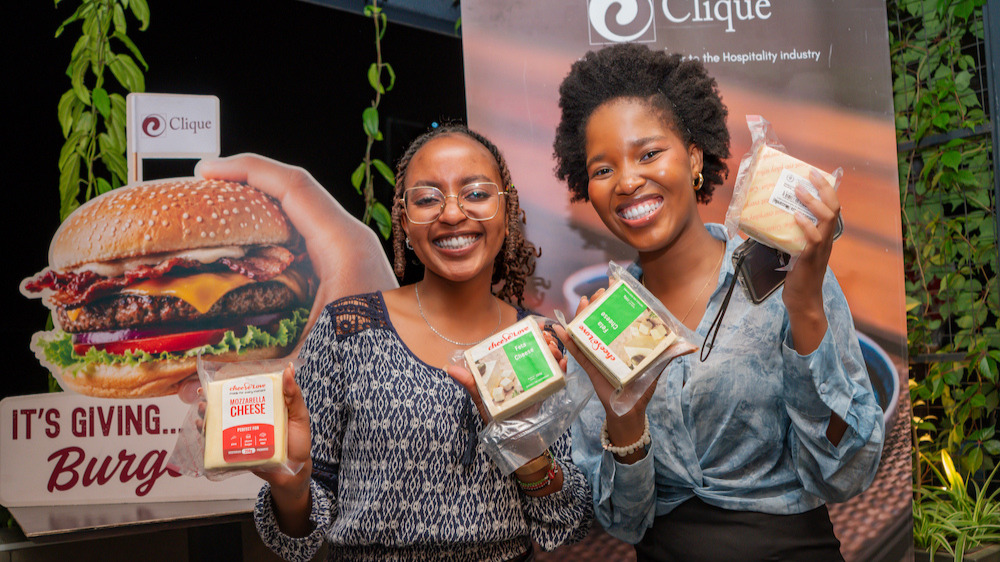
On the supply side, Cheese Love and Kenafric, through its Kingsmill bread brand, are offering participating kitchens promotional pricing on premium ingredients such as cheese and burger buns, lowering input costs for restaurants running discounted menus during the campaign. Clique is supporting operations with more than 700 discounted products, addressing the back end procurement pressure that a citywide promotion places on kitchens.
EABL and Coca-Cola join as beverage partners, positioning draught beer and soft drink pairings alongside signature burgers, a familiar but effective way to lift average order value without discounting the core dish.
On the demand and logistics side, Uber Eats and Glovo are running exclusive discounts and free delivery promotions so diners can access Burger Week offers from home, extending the campaign well beyond people willing to eat out. Uber is also offering up to 50 percent off rides to and from participating restaurants, addressing a real barrier to dining out in Nairobi, where transport costs can rival the price of the meal itself. Safaricom M-PESA rounds out the payments side, giving diners instant Airtime Rewards for purchases at participating outlets, a small but direct incentive layered onto every transaction.
Kenya’s shift toward digital food ordering makes this kind of multi sector partnership increasingly necessary rather than optional. Khusoko has reported that Nairobi ranks as Africa’s leading city for online food delivery, ahead of Casablanca, Lagos, Kampala and Abidjan, a position built on high mobile internet penetration and a fast growing base of app based ordering.
A separate Competition Authority of Kenya survey found that 9.3 percent of Kenyans were already shopping for food and groceries online, with that figure projected to reach 16.7 percent, or roughly 10.5 million consumers, by 2027.
Why the Burger Works as a Marketing Vehicle
The burger’s appeal as a campaign anchor comes down to structure rather than sentiment. It is simple enough to appear on almost every type of menu, from a KES 299 fast food deal to a chef driven creation at a fine dining rooftop, yet flexible enough that each kitchen can put its own signature on it. That range lets a single campaign speak to a KFC regular and a diner chasing the newest gourmet opening without either feeling like an afterthought.
It also mirrors a broader shift in what Nairobi diners expect from a meal out. A full plate is no longer the whole pitch. Presentation, service, distinct flavor and a clear story behind the ingredients now shape how a restaurant gets chosen and shared, and the burger’s low barrier to entry makes it an efficient way for restaurants across very different price points to compete on those terms at the same time.
More Than a Meal
Burger Week’s real product is not the burger itself but the nudge to explore. Whether that means walking into a neighborhood spot for the first time, trying an unexpected take on a familiar order, or finally showing up at the restaurant that has been circulating on Instagram for weeks, the campaign is built around getting people to move around their own city.
With more than 400 restaurants taking part and ten days on the calendar, there is plenty of Nairobi left to taste, and the data suggests the city will keep reaching for a burger, in one form or another, long after the campaign ends.
