


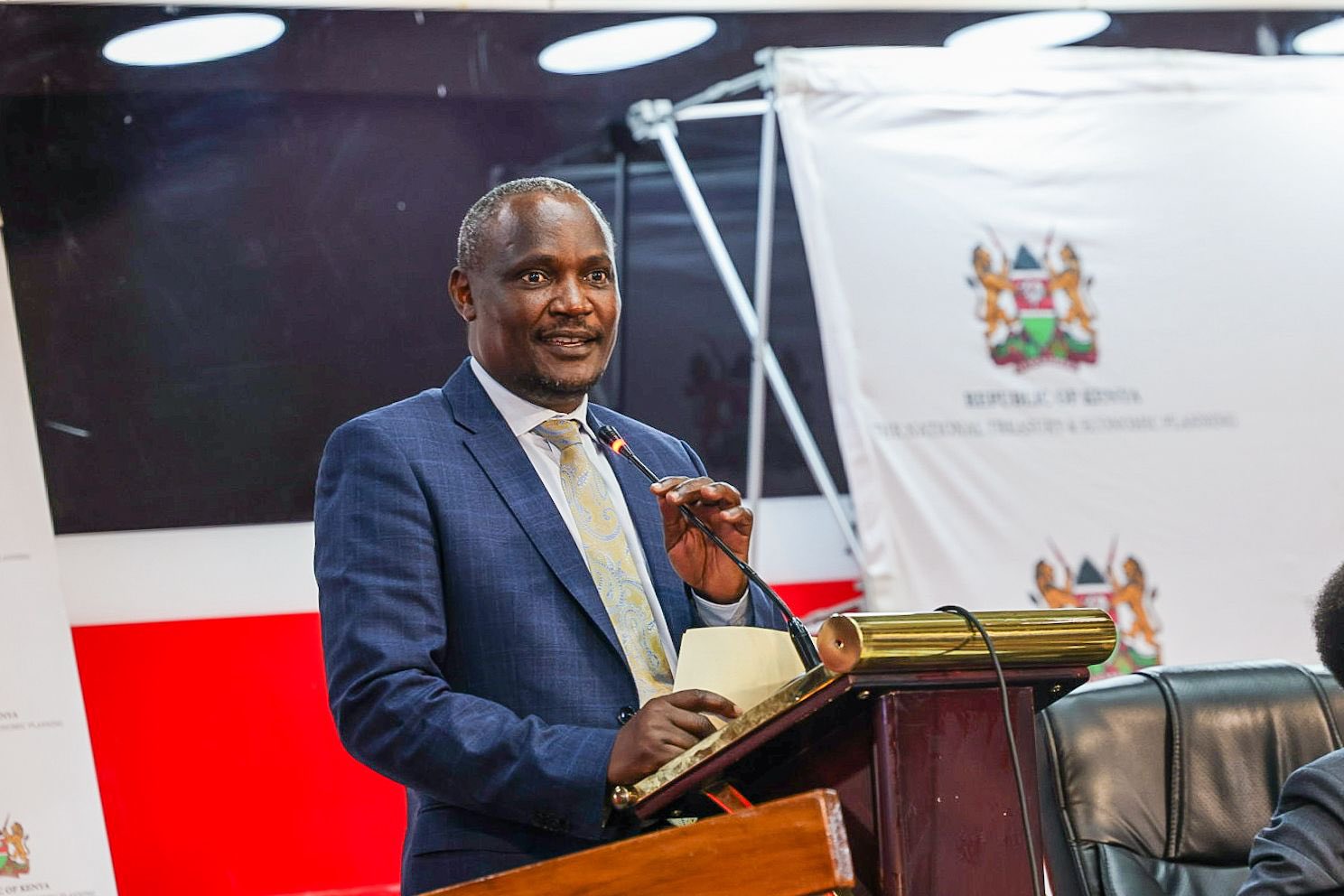
Kenya’s National Infrastructure Fund has its board. Treasury Cabinet Secretary John Mbadi appointed six members through a gazette notice dated July 8, 2026, with the appointments taking effect the same day and running for a three year term.
The move marks a step in getting the fund operational. Established under the National Infrastructure Fund Act, 2026, the NIF exists to channel private capital into roads, railways, energy projects and other large scale infrastructure, reducing Kenya’s reliance on debt to finance development.
Earlier this year, the government fed the fund with Ksh 103.45 billion in net proceeds from the sale of a 65 percent stake in Kenya Pipeline Company, giving it real capital to work with from day one.
Who Sits on the Board
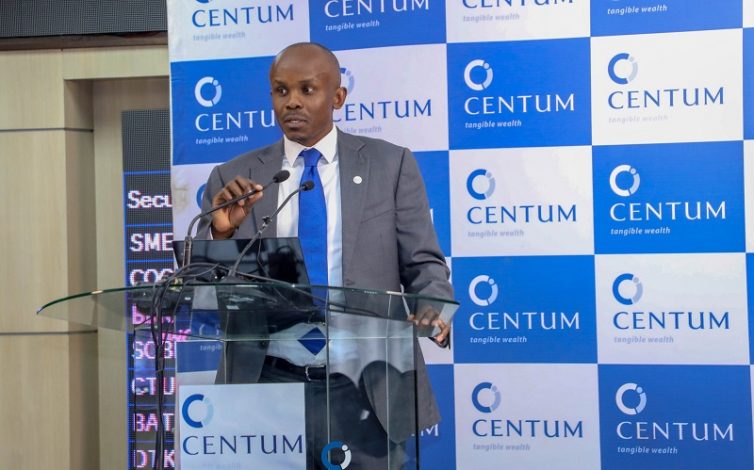
James Mworia Mwirigi brings the deepest corporate profile of the group. He serves as Managing Director and CEO of Centum Investment Company, one of East Africa’s largest listed investment firms, and holds professional backgrounds as both a lawyer and accountant.
Fahima Ali Ahmed Zein joins as an investment banker, part of a wave of financial sector professionals the Treasury pulled into the applicant pool during recruitment.
Christopher Kibui Maranga, also known in shortlisting documents as Chris Kibui Maranga, likewise comes from investment banking, giving the board a second voice fluent in structuring and deploying capital.
Latoya Ouna rounds out the board’s legal expertise, drawn from the law professionals category during the selection process.
Lawrence Kibet arrives with direct government experience. He currently serves as Director General for Public Investments and Portfolio Management at the National Treasury, putting someone with inside knowledge of state asset management directly on the board.
Mohammed Abdirahman Hassan completes the lineup of six.
How They Got There
Treasury ran an open recruitment process, advertising for board members in April 2026 and drawing 78 applications by the close of the window. A shortlist of 16 finalists moved forward to interviews held at the National Treasury on June 29 and 30, spanning backgrounds in accounting and finance, investment banking, civil engineering, law and quantity surveying. Every applicant had to clear checks from the Kenya Revenue Authority, the Higher Education Loans Board, the Ethics and Anti-Corruption Commission, the Directorate of Criminal Investigations and a credit reference bureau before being considered.
This board sits below the fund’s Governing Council, a separate body chaired by Mbadi himself and including Central Bank Governor Kamau Thugge and Attorney General Dorcas Oduor, which President Ruto appointed back in April to oversee the fund’s broader direction. The council’s first job was recruiting this very board. Now that the board is seated, its next task is finding a chief executive officer to run the fund day to day.
What Happens Next
With a functioning board in place, the NIF moves closer to deploying capital toward its stated goal of mobilizing roughly Ksh 5 trillion over the next decade for projects like the JKIA modernisation and the Nairobi-Namanga highway expansion.
The mix of corporate finance experience, legal grounding and Treasury insight on this board suggests the fund is positioning itself to move money carefully rather than quickly, a balance that will matter given the scale of capital it hopes to eventually manage.
