


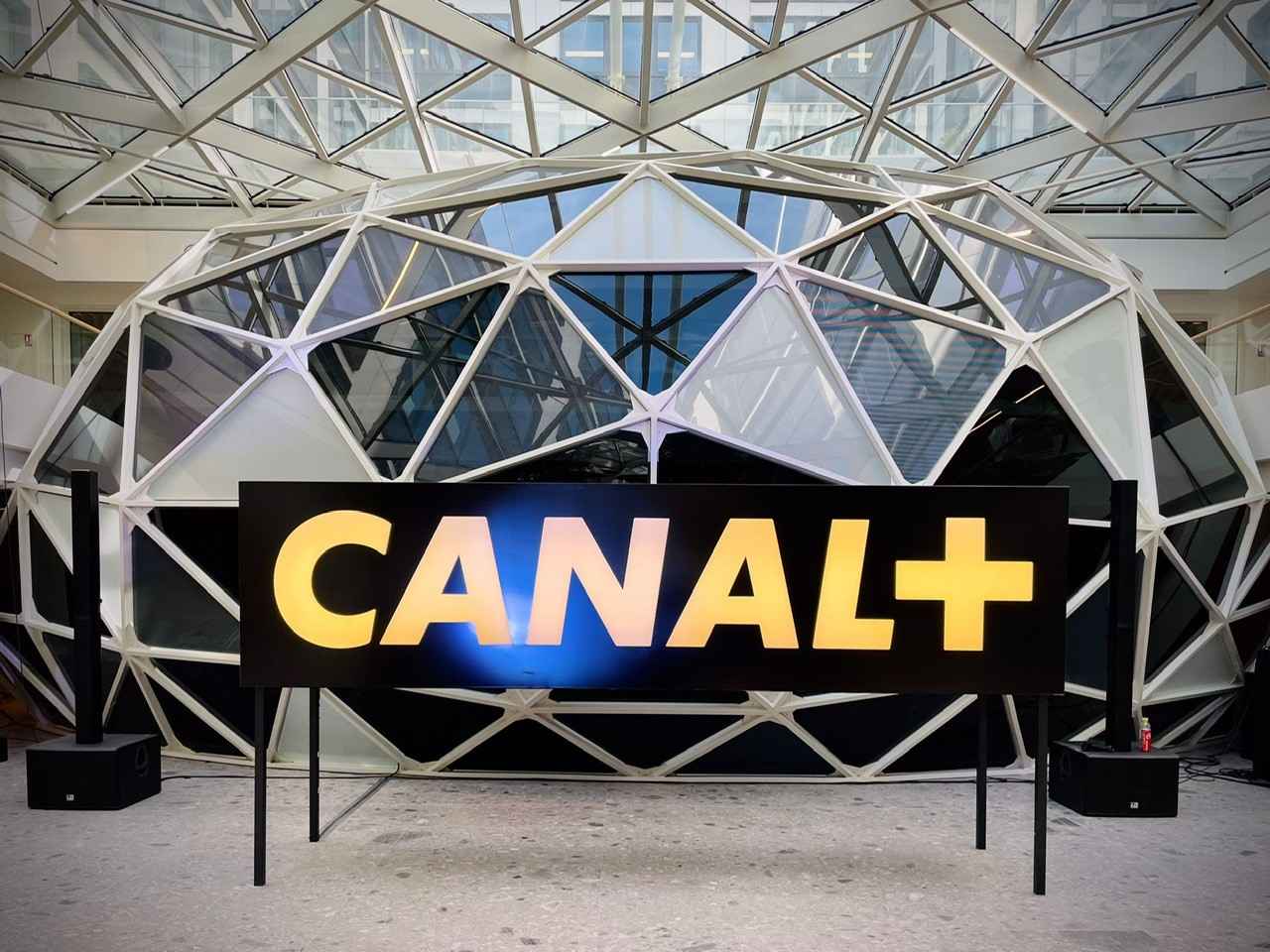
Canal+ did not come to Johannesburg simply to ring a bell and pose for photographs. The French media group arrived as the owner of MultiChoice, the architect of a €100 million turnaround plan, and the first French company ever to list on the Johannesburg Stock Exchange. The ceremonial kudu horn blast that marked the occasion on Wednesday signalled something more consequential than a routine capital markets event.
The listing, designated number 263 on the JSE, gives Canal+ a secondary home alongside its primary listing on the London Stock Exchange, active since December 2024. Together, the two listings reflect a deliberate strategy: build a media and entertainment platform that bridges Europe and Africa, and anchor that ambition in the financial markets of both continents.
What Canal+ Is and What It Now Controls
Canal+ operates across 70 countries, serves more than 40 million subscribers, and generates €9 billion in annual revenue. Its acquisition of MultiChoice Group, completed in 2025 for R55 billion (approximately $3 billion), extended that reach significantly. MultiChoice brought with it roughly 23 million subscribers across 40 African countries, along with DStv, the continent’s most recognised pay-television brand, and a distribution infrastructure that took decades to build.
SEThe acquisition also brought problems. MultiChoice had been losing subscribers at a pace that concerned investors long before Canal+ moved on the company. Following the deal’s completion, Canal+ disclosed the full scale of those challenges and committed €100 million to reverse the decline.
Chief Executive Maxime Saada did not soften the assessment but did not hesitate on the outcome either. “We are absolutely and totally confident in our ability to turn around this company,” he told journalists after the listing ceremony.
The Case for Africa That Saada Is Making
Saada has been consistent about what drew Canal+ to MultiChoice and, through it, to a deeper presence on the continent. “We acquired MultiChoice because of the growth potential in Africa, to strengthen our presence across the continent,” he told Forbes Africa.
Africa’s population is projected to grow by approximately 800 million people by 2050, adding consumers, screens, and data connections at a scale no other region matches. For a media group building long-term infrastructure, that trajectory matters more than short-term subscriber numbers.
“This listing reinforces our dual-continental approach, strengthening our ambition to be a bridge between Europe and Africa,” Saada said.
Rather than managing African operations from Paris or London, Canal+ intends to align its capital base, government relationships, and creative investments with the African stakeholders who will determine whether the strategy succeeds.
A Platform Play With Netflix, Apple, and Warner Bros Already Watching
Canal+ plans to launch what Saada describes as a super app, a single platform that pulls multiple streaming services, including DStv, into one interface for African consumers. The model mirrors what dominant digital platforms have achieved elsewhere: reduce friction, increase time spent, and make the platform itself the habit rather than any single service on it.
The content partnerships already in motion give that ambition credibility. Canal+ confirmed a Netflix rollout across French-speaking Africa as part of its expanding streaming partnerships. Beyond that, Saada revealed that executives from Apple and Warner Bros Discovery made contact following the MultiChoice acquisition announcement, signalling early interest in further tie-ups.
On Wednesday, Canal+ also announced new premium sports rights deals in football and rugby, targeting the higher-value subscribers whose retention matters most to reversing MultiChoice’s recent trajectory.
We are excited to sound our Kudu Horn in celebration of @canalplusgroupe ‘s listing on our JSE Main Board, a historic first as the first French company ever to list on our Exchange. With 42 million subscribers across 70 countries and a leading platform across 50 African markets… pic.twitter.com/PwAfYWkxEg
— JSE (@JSE_Group) June 3, 2026
What the Listing Means for the JSE
The JSE has endured a difficult few years. A series of delistings and a shortage of major new entrants eroded the exchange’s profile as a destination for international capital. Canal+ changes that calculus, at least in part.
The JSE’s total market capitalisation stands at over R25.2 trillion (approximately $1.53 trillion). Group CEO Valdene Reddy described the Canal+ listing as “an important milestone” for the “continued internationalisation of African capital markets.” JSE chairman Phuthuma Nhleko took the same view, saying the listing reflects strong global confidence in South Africa’s capital markets and reinforces the exchange’s role connecting international capital with African growth.
Richard Stout, Head of Equity Capital Markets at Standard Bank for South Africa and Sub-Saharan Africa, which served as joint financial adviser to Canal+ alongside the JSE, said the listing “expands the investable universe for domestic investors and reflects continued international confidence in the depth, sophistication and relevance of our exchange.”
Canal+ now stands as the only global media and entertainment group trading on the JSE.
The Decade Ahead
In the short term, the company must stabilise a MultiChoice business that haemorrhaged subscribers and consumed cash. In the longer term, it is positioning for a continent that will add hundreds of millions of consumers over the next two decades, most of them young, mobile-first, and arriving in the streaming economy without the legacy pay-television habits that defined older markets.
Saada framed the JSE listing as the foundation for that second ambition. “Our hope is for this listing to enhance the liquidity of our shares, to broaden our shareholder base and to support our growth ambitions,” he said. “But more than that, we believe that we can create value in Africa.”
